What is Potato?
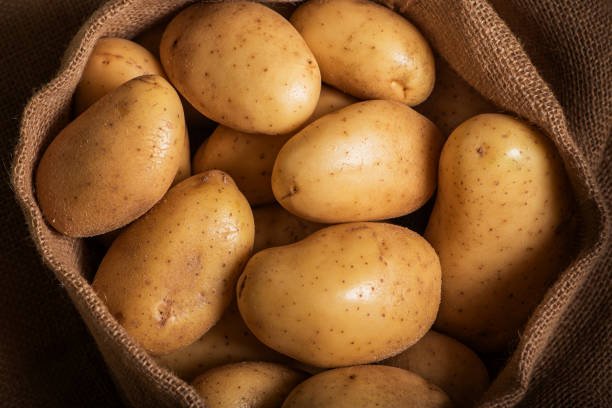
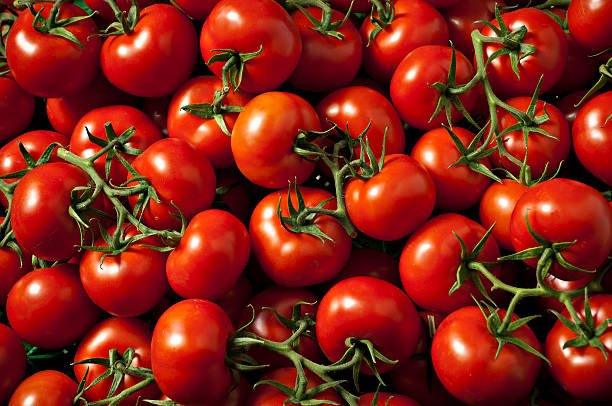
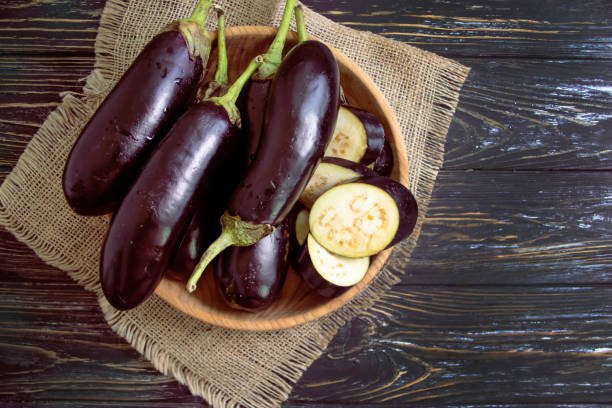
Potato is a starchy root vegetable belonging to the Solanaceae family, closely related to tomatoes, eggplants, and peppers. Known for its versatile use in countless recipes, potato has a smooth, brownish or reddish skin with a white, yellow, or purple flesh inside. Its mild flavor and high carbohydrate content make it a global staple.
Where is Potato Usually Grown?
Potatoes are cultivated in over 150 countries worldwide, thriving in temperate regions. Major producers include China, India, Russia, the United States, and Ukraine. China leads the world in potato production, followed by India, contributing to their status as essential food crops.
History and Origin of Potato
The potato originated over 7,000 years ago in the Andean region of South America, primarily in modern-day Peru and Bolivia. It was a vital food source for indigenous civilizations like the Incas. Spanish explorers brought potatoes to Europe in the 16th century, where it quickly gained popularity and became an essential crop globally.
Which Country’s Food Is It Most Popular In?
Potato is a central ingredient in many countries’ cuisines. It is especially popular in Ireland (famous for its Irish stew and chips), India (used in curries and snacks), the United States (baked potatoes and fries), and Russia (potato pancakes and stews).
Nutritional Benefits of 100 grams of Potato
A 100-gram serving of potato offers:
How Does Potato Benefit Our Health and Nutrition?
Potato is a rich source of complex carbohydrates, providing sustained energy. It supports brain health, boosts immunity with vitamin C, and promotes heart health through potassium. Its high fiber content aids digestion, and antioxidants in potatoes help combat oxidative stress. Regular consumption can improve overall vitality.
Potato as a Defender Against Diseases
Potatoes contain antioxidants like flavonoids, carotenoids, and phenolic acids that reduce inflammation and fight free radicals. These compounds help lower the risk of chronic diseases such as heart disease, diabetes, and certain cancers. The potassium in potatoes also helps regulate blood pressure.
Different Types and Varieties of Potato
There are numerous varieties including:
- Russet potatoes, ideal for baking and frying
- Red potatoes, great for salads and roasting
- Yukon Gold, known for its buttery flavor
- Purple potatoes, rich in anthocyanins and antioxidants
Each type offers unique flavors and culinary uses.
How is Potato Cultivated and Harvested?
Potatoes are grown from seed potatoes or tubers. They prefer well-drained, loose soil and cool weather. Farmers plant them in early spring or late summer. The crop is usually ready for harvest 3-4 months after planting when the plants die back, revealing mature tubers. Proper harvesting ensures quality and freshness.
Why is Potato Considered a Superfood?
Potato is called a superfood because it is packed with essential nutrients, antioxidants, and fiber while being affordable and widely available. Its ability to boost energy, support digestion, and reduce disease risk makes it a vital part of a balanced diet.
Which Country Produces the Most Potatoes?
China is the leading producer of potatoes globally, followed by India, Russia, Ukraine, and the United States. These countries have favorable climates and large-scale farming systems supporting extensive potato cultivation.
Recent Research and New Discoveries about Potato
Recent studies highlight the potential of potatoes in managing blood sugar levels, supporting gut health, and preventing certain cancers due to their rich phytochemicals. Researchers are also exploring biofortified potatoes with enhanced nutrient content to combat malnutrition.
How Can We Incorporate Potato into Our Meals?
Potatoes are incredibly versatile:
- Baked or roasted as a side dish
- Mashed with herbs and butter
- Made into fries, chips, or hash browns
- Used in soups, stews, and curries
- Grated into salads or even made into snacks like chips or croquettes
Is Potato Safe for Pregnant Women and Children?
Yes, potatoes are safe and nutritious for pregnant women and children. They provide vital nutrients like vitamin C, potassium, and fiber that support fetal development and immune health. Proper cooking is essential to avoid harmful bacteria and toxins.
Does Potato Help with Weight Loss and Digestion?
Potatoes can aid weight management when prepared healthily (baked or boiled) due to their fiber content that promotes fullness. They support digestion and gut health by providing dietary fiber and prebiotics.
Are There Any Downsides to Eating Potato?
Overconsumption or fried potato products can lead to weight gain and health issues due to high calorie and fat content. Also, potatoes contain solanine, a natural toxin in green or sprouted tubers, which can cause poisoning if consumed in large amounts. People with certain health conditions like diabetes should consume potatoes in moderation due to their high carbohydrate content.
Conclusion
Potato is undoubtedly a versatile, nutritious, and widely loved superfood with numerous health benefits. Its rich history, variety, and culinary adaptability make it an essential part of diets around the world. When prepared healthily, potatoes can be a vital component of a balanced, wholesome lifestyle.