What is Tomato?
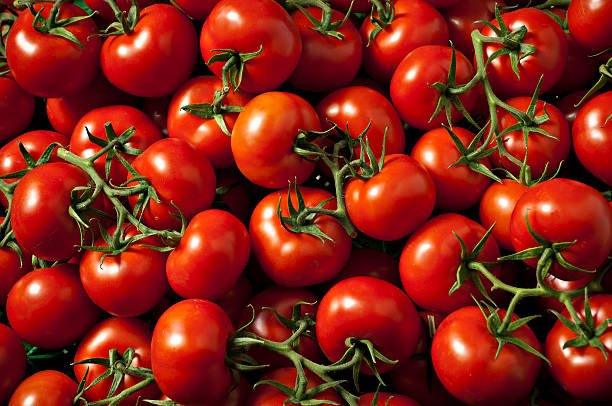
Tomato is a vibrant, juicy fruit that is widely used as a vegetable in culinary dishes. Belonging to the Solanaceae family, it is technically a fruit but commonly treated as a vegetable. Tomatoes come in various colors, including red, yellow, orange, and purple, with a tangy, slightly sweet flavor. Rich in nutrients and antioxidants, tomatoes are a staple in kitchens worldwide.
Where is Tomato Usually Grown?
Tomatoes are cultivated globally, thriving in warm, sunny climates. Major producers include China, India, the United States, Turkey, and Egypt. China leads the world in tomato production, followed by India and the USA.
History and Origin of Tomato
Tomatoes originated over 2,000 years ago in the Andean region of South America, particularly in present-day Peru and Ecuador. Indigenous peoples cultivated and consumed tomatoes long before European explorers brought them to Europe in the 16th century. From there, tomatoes spread worldwide, becoming a fundamental ingredient in many cuisines.
Which Country’s Food Is It Most Popular In?
Tomatoes are a key ingredient in many traditional dishes across the globe. They are especially popular in Italy (pizzas, pasta sauces), Mexico (salsas, tacos), India (curries, chutneys), and the Mediterranean region.
Nutritional Benefits of 100 grams of Tomato
A 100-gram serving of tomato provides:
How Does Tomato Benefit Our Health and Nutrition?
Tomatoes are a powerhouse of antioxidants, particularly lycopene, which has been linked to cancer prevention and heart health. They support skin health, boost immunity, and promote good vision. Their high vitamin C content helps fight infections and improve skin elasticity. Regular consumption can reduce inflammation and oxidative stress.
Tomato as a Defender Against Diseases
Research shows that lycopene and other phytochemicals in tomatoes can help lower the risk of certain cancers, including prostate, lung, and stomach cancers. The antioxidants also support cardiovascular health by reducing blood pressure and cholesterol levels.
Different Types and Varieties of Tomato
There are numerous varieties:
- Cherry tomatoes, small and sweet
- Roma or plum tomatoes, ideal for sauces
- Beefsteak tomatoes, large and juicy
- Heirloom tomatoes, with unique flavors and colors
Each type is suited for different culinary uses, from salads to sauces.
How is Tomato Cultivated and Harvested?
Tomatoes are grown from seedlings or seeds in well-drained, fertile soil. They prefer warm temperatures and plenty of sunlight. Farmers harvest tomatoes when they reach full color and are ripe but firm. Proper harvesting and handling ensure maximum flavor and nutritional value.
Why is Tomato Considered a Superfood?
Tomato is called a superfood because of its high antioxidant content, especially lycopene, which fights free radicals and reduces disease risk. Its versatility, low calorie content, and rich nutrients make it a vital addition to a balanced diet.
Which Country Produces the Most Tomatoes?
China is the leading producer of tomatoes globally, followed by India, the United States, Turkey, and Egypt. These countries have favorable climates and large-scale farming practices supporting extensive tomato cultivation.
Recent Research and New Discoveries about Tomato
Recent studies highlight tomatoes’ role in preventing cancer, supporting skin health, and improving cardiovascular health. Researchers are exploring genetically modified tomatoes with higher nutrient levels and their potential in functional foods.
How Can We Incorporate Tomato into Our Meals?
Tomatoes are incredibly versatile:
- Raw in salads and sandwiches
- Cooked into sauces, soups, and stews
- Roasted or grilled as sides
- Blended into smoothies or juices
- Used in salsas, chutneys, and dips
Is Tomato Safe for Pregnant Women and Children?
Yes, tomatoes are safe and highly nutritious for pregnant women and children. They are rich in vitamins A and C, which support fetal development and immune health. Proper washing and cooking reduce any risk of contamination.
Does Tomato Help with Weight Loss and Digestion?
Absolutely. Tomatoes are low in calories and high in fiber, promoting fullness and aiding weight management. Their fiber content supports digestion and gut health.
Are There Any Downsides to Eating Tomato?
Some individuals may experience allergies or acid reflux after consuming tomatoes. They contain oxalates, which can contribute to kidney stones in susceptible people. Excessive intake of raw tomatoes may cause mouth or stomach irritation.
Conclusion
Tomato is a highly nutritious, versatile, and flavorful superfood with numerous health benefits. Its rich antioxidants, vitamins, and minerals support overall wellness and disease prevention. Incorporating tomatoes into your daily diet can enhance your health and add vibrant flavors to your meals.