Search
Close this search box.

Shrimp: Is It the Most Nutritious Shellfish? Find Out!

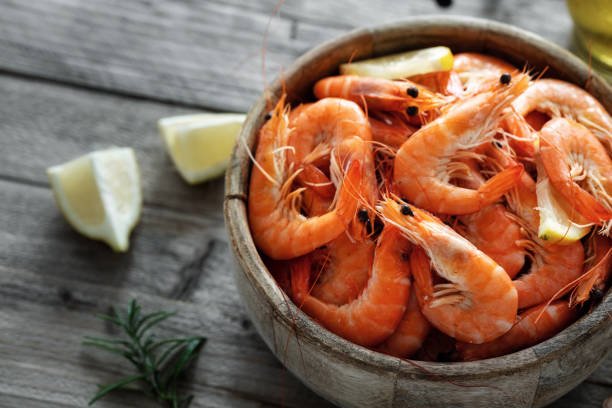
Freshly cooked shrimp with pink shells and tender white meat served on a plate.
Facebook
Twitter
LinkedIn

What is Shrimp? What is its Scientific Name?
Shrimp is a small, highly prized shellfish found in both freshwater and saltwater environments. There are many species of shrimp; the most commonly consumed include the Whiteleg Shrimp (Litopenaeus vannamei), Giant Tiger Prawn (Penaeus monodon), and Northern Shrimp (Pandalus borealis).

History and Origin of Shrimp
Shrimp has been a culinary favorite for centuries in coastal regions worldwide. It is a staple ingredient in many Asian, Mediterranean, and American cuisines. Both wild harvesting and aquaculture (farming) are practiced to meet the global demand for shrimp.

Nutritional Benefits of 100 grams of Shrimp
A 100-gram serving of shrimp offers impressive nutrition:

  • Calories: About 99 kcal — low in calories
  • Protein: 18-20 grams — high-quality, lean protein
  • Fat: Less than 1.5 grams — very low in fat
  • Omega-3 Fatty Acids: About 0.3-0.5 grams — supports heart and brain health
  • Vitamins:
    • Vitamin B12: Important for nerves and blood cell health
    • Vitamin D, Niacin, B6, and E: Support metabolism and immunity
  • Minerals:

What Are the Health Benefits of Shrimp?
Shrimp is a healthy choice for your diet due to these benefits:

  • Supports Weight Management: High protein, low calorie and low fat
  • Boosts Immune System: Rich in selenium and zinc
  • Promotes Brain and Heart Health: Contains omega-3s and vitamin B12
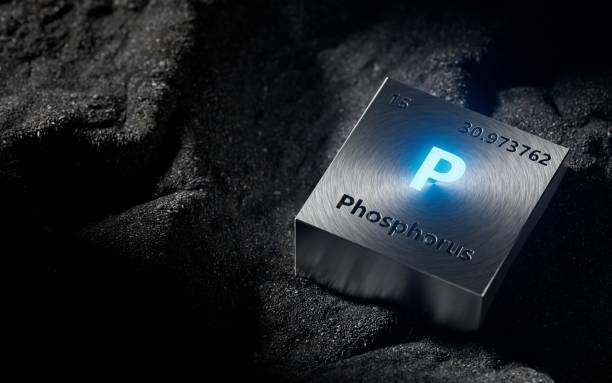
  • Good for Bone Health: High in phosphorus and vitamin D
  • Improves Thyroid Function: Due to its iodine content

What Are the Different Types of Shrimp?

  • Whiteleg Shrimp: Most widely farmed and consumed globally
  • Tiger Prawn: Large, flavorful, and popular in Asia
  • Pink Shrimp: Sweet flavor, found in cold waters
  • Brown Shrimp: Common in the Gulf of Mexico
  • Rock Shrimp: Firm texture, often used in specialty dishes

Where Are the Best Sources of Shrimp?

  • Southeast Asia: Thailand, Vietnam, and Indonesia (major exporters)
  • South America: Ecuador (large-scale farming)
  • United States: Gulf Coast, wild-caught shrimp
  • Northern Europe: Cold water shrimp from Norway and Greenland

What Is the Price Range of Shrimp?

  • Fresh Shrimp: $7-$20 per pound, depending on type and size
  • Frozen Shrimp: Usually more affordable and widely available
  • Wild vs. Farmed: Wild-caught shrimp is usually more expensive

How Should Shrimp Be Stored?

  • Fresh Shrimp: Keep refrigerated and use within 1-2 days
  • Frozen Shrimp: Store in airtight packaging and use within 3-6 months
  • Cooked Shrimp: Refrigerate and eat within 2 days

What Does Shrimp Taste Like?
Shrimp has a sweet, delicate, and slightly briny flavor with a tender, juicy texture. It absorbs spices and marinades well, making it perfect for grilling, stir-frying, boiling, or adding to curries, salads, and pasta.

Is Shrimp the Most Nutritious Shellfish?
Shrimp is one of the healthiest shellfish, offering high protein and essential nutrients with very low fat. It’s also a great source of iodine, which is rare in other foods.

Is Fish Oil Made From Shrimp?
Fish oil supplements are mostly produced from oily fish like salmon, sardine, or mackerel, not shrimp. However, shrimp contains natural omega-3s.

How Does Frozen Shrimp Compare to Fresh?
Properly frozen shrimp retains most of its nutrients and taste. While fresh shrimp is valued for its texture, frozen shrimp is convenient and healthy.

Does Eating Shrimp Boost Disease Resistance?
Yes! Shrimp is rich in selenium, zinc, and vitamin B12, all of which help strengthen immunity and reduce inflammation.

Which Country Produces the Most Shrimp?
China, India, Vietnam, and Indonesia are the world’s largest shrimp producers, particularly through aquaculture.

Which Country Consumes the Most Shrimp?
China, the United States, Japan, and Spain are among the top consumers of shrimp.

Which Country Is the Largest Commercial Producer of Shrimp?
China and India are leading commercial producers, followed by Vietnam and Indonesia.

Where Is Shrimp Most Popular to Eat?
Shrimp is enjoyed worldwide, especially in Asian, Mediterranean, American, and Latin cuisines.

Conclusion
Shrimp is a delicious, versatile, and nutrient-rich shellfish that provides high-quality protein, essential minerals, and healthy omega-3 fats. Its sweet flavor and tender texture make it a favorite in countless dishes globally. Whether grilled, boiled, or fried, shrimp is a delightful and healthy choice for any meal.
Rock Salt & Benefits: Why It’s a Natural Treasure

A large chunk of natural rock salt with visible crystalline structure on a wooden surface.
Facebook
Twitter
LinkedIn

What Is Rock Salt?

Rock Salt, also known as mineral or halite, is a naturally occurring crystalline mineral composed primarily of sodium chloride (NaCl). It forms through the evaporation of seawater or saline lakes over thousands of years. Unlike refined table salt, rock salt is coarse, unprocessed, and often used in various industrial, culinary, and medicinal applications.

What Is the Composition of Rock Salt?

The main component of rock salt is sodium chloride (NaCl). It contains large crystals of salt along with trace minerals like calcium, magnesium, and potassium, depending on its source. These minerals can give rock salt a slightly different color and mineral content compared to processed table salt.

Where Can You Find Rock Salt?

Rock salt deposits are found in many parts of the world, including underground salt mines and salt flats. Countries like the USA, India, China, and Germany are major producers. It is mined extensively for industrial use, de-icing roads in winter, and sometimes for culinary purposes.

What Are the Uses of Rock Salt?

Rock salt has a wide range of applications:

  • Industrial: Used in the manufacture of chemicals, textiles, and glass.
  • De-icing: Spread on roads and walkways during winter to melt ice.
  • Culinary: Used in salt grinders, for seasoning, and in salt caves for therapy.
  • Medicinal: Used in salt therapy rooms and for some traditional treatments.
  • Preservation: Used for curing meats and preserving foods.

How Does Rock Salt Work?

In industrial and de-icing applications, rock salt works by lowering the freezing point of water, effectively melting ice and snow. When used in cooking or salt caves, its coarse texture and mineral content provide unique flavor and health benefits. Its ability to draw moisture and inhibit bacterial growth makes it an effective preservative.

How Important Is Rock Salt?

Rock salt is crucial in many industries and environmental applications. It helps keep roads safe in winter, supports chemical manufacturing, and is valued in holistic health practices like salt therapy. Its natural mineral content also offers potential health benefits in alternative medicine.

What Happens if You Use Too Little or Too Much Rock Salt?

Using too little rock salt in cooking or preservation might result in bland flavors or spoiled foods. Overuse, especially in de-icing or industrial settings, can cause environmental harm and health issues due to excessive mineral intake or runoff.

Why Do Rock Salt Deficiencies Occur?

Rock salt deficiency is rare since it is abundant in nature. However, in specific health treatments like salt therapy, inadequate exposure to salt caves or mineral-rich environments might limit benefits.

What Are the Signs of Too Little or Too Much Rock Salt?

Deficiency signs include muscle cramps or dehydration, while excessive intake can lead to high blood pressure, kidney strain, or other health problems. In environmental contexts, overuse during de-icing can cause water and soil contamination.

Is Rock Salt a Natural Ingredient?

Yes, rock salt is a natural mineral formed over millions of years and is mined directly from the earth. It undergoes minimal processing compared to refined table salt.

Is Rock Salt Healthy?

In moderation, rock salt can provide essential minerals and support respiratory health when used in salt therapy. However, excessive consumption can be harmful, especially for individuals with hypertension or kidney issues.

Is Rock Salt Harmful?

Excessive intake or improper use of rock salt can be harmful, leading to health problems like high blood pressure. Environmental overuse, such as in de-icing, can also cause ecological harm.

Does Rock Salt Help in Weight Loss?

There is limited scientific evidence to suggest that rock salt directly aids in weight loss. However, some believe that salt therapy and mineral-rich environments can improve overall well-being, which might support weight management indirectly.

Conclusion

Rock salt is a versatile, natural mineral with significant industrial, medicinal, and culinary uses. Its mineral content and natural formation make it unique. While beneficial when used properly, overuse or misuse can pose health and environmental risks. Responsible consumption and application are essential for harnessing its benefits safely.

Leave a Comment

Your email address will not be published. Required fields are marked *

Scroll to Top