What is Milkfish? What is its Scientific Name?
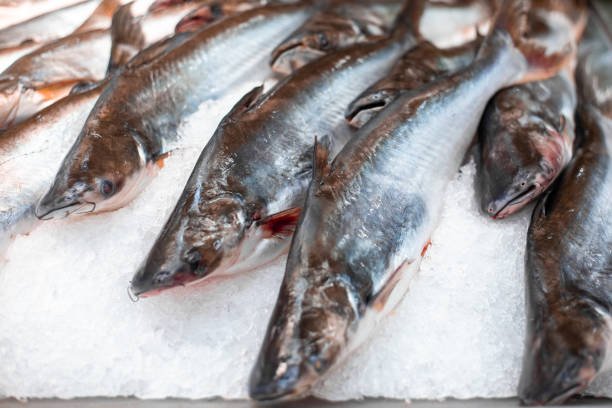
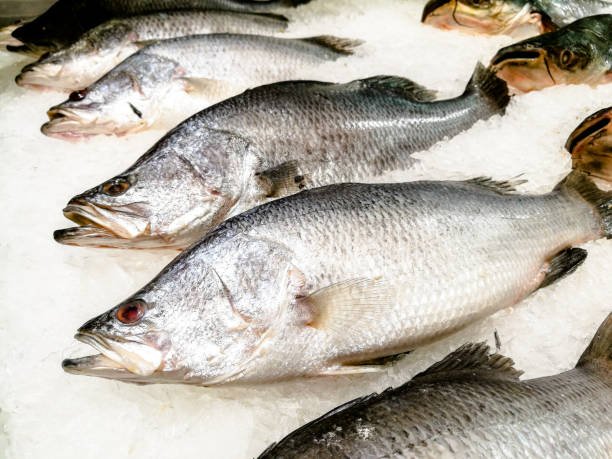
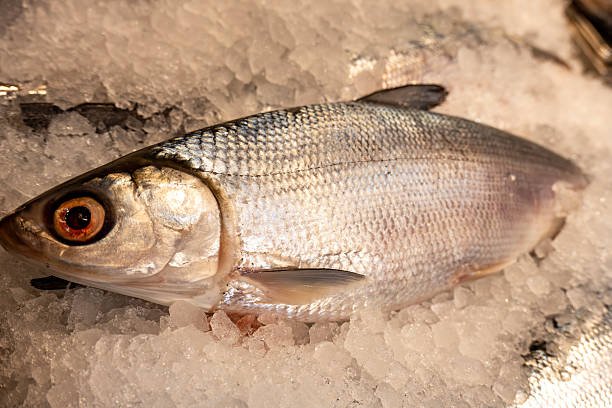
Milkfish, commonly known as Chanos chanos, is a popular freshwater and marine fish widely consumed in Southeast Asia, the Philippines, and parts of the Pacific. It is recognized for its mild flavor, firm white flesh, and high nutritional value. Milkfish is often farmed and wild-caught, making it a staple in many traditional diets.
History and Origin of Milkfish
Milkfish has a long history in Southeast Asian cuisine, especially in the Philippines, Indonesia, and Taiwan. It has been cultivated for centuries due to its adaptability to brackish and freshwater environments. Its cultural significance and widespread availability have made it a key source of affordable, nutritious protein in these regions.

Nutritional Benefits of 100 grams of Milkfish
A 100-gram serving of milkfish provides a wealth of nutrients:
- Calories: About 120 kcal — low in calories and fat.
- High-Quality Protein: 18-20 grams — essential for muscle growth and repair.
- Omega-3 Fatty Acids: Around 0.3-0.6 grams — supports heart and brain health.
- Vitamins:
- Vitamin D: Promotes healthy bones and immune function.
- Vitamin B12: Supports nerve health and red blood cell production.
- Niacin and B6: Aid in energy metabolism.
- Minerals:
- Selenium: Acts as an antioxidant.
- Phosphorus: Supports strong bones.
- Magnesium and Potassium: Help nerve and muscle functions.
What Are the Health Benefits of Milkfish?
Including milkfish in your diet can offer several health benefits:
- Supports Heart Health: Its omega-3s help reduce inflammation and triglycerides.
- High in Protein & Low in Fat: Ideal for muscle building and weight management.
- Boosts Immune System: Thanks to vitamins D and B12.
- Supports Bone & Joint Health: Due to minerals like phosphorus and magnesium.
- Affordable & Accessible: Making it a common choice for nutritious meals.
What Are the Different Types of Milkfish?
- Wild-Caught Milkfish: Found in natural coastal and freshwater environments.
- Farmed Milkfish: Raised in aquaculture farms, especially in the Philippines, Indonesia, and Taiwan.
Where Are the Best Sources of Milkfish?
Top regions include:
- Philippines: Known for its traditional and sustainable farming practices.
- Indonesia: Major producer and exporter.
- Taiwan: Noted for high-quality farmed milkfish.
- Other Southeast Asian countries also have significant production.
What Is the Price Range of Milkfish?
- Fresh Milkfish: Usually costs between $2 to $5 per pound.
- Frozen Milkfish: Slightly less expensive and widely available.
- Processed or Canned Milkfish: Varies based on packaging and quality.
How Should Milkfish Be Stored?
- Fresh Milkfish: Keep refrigerated at or below 4°C (39°F), best consumed within 1-2 days.
- Frozen Milkfish: Store in airtight packaging and use within 3-6 months.
- Cooked Milkfish: Refrigerate and consume within 2 days.
What Does Milkfish Taste Like?
Milkfish has a mild, slightly sweet flavor with a firm, flaky texture. Its neutral taste makes it suitable for grilling, frying, steaming, or boiling, and it absorbs seasonings well.
Is Milkfish the Most Nutritious Fish?
While it may not have as high omega-3 levels as oily fish like salmon or mackerel, milkfish offers a good balance of protein, vitamins, and minerals, making it a nutritious dietary choice.
Is Fish Oil Made From Milkfish?
Fish oil is generally derived from oily fish such as salmon, mackerel, and sardines. Milkfish provides omega-3s but is not a primary source for fish oil supplements.
How Does Frozen Milkfish Compare to Fresh?
Properly frozen milkfish retains most of its nutrients, flavor, and texture, making it a convenient and healthy alternative to fresh fish.
Does Eating Milkfish Boost Disease Resistance?
Yes, thanks to its vitamins D and B12, along with omega-3 fatty acids, milkfish can support immune health and reduce inflammation.
Which Country Produces the Most Milkfish?
The Philippines is the largest producer and exporter of milkfish, especially known for sustainable aquaculture practices.
Which Country Consumes the Most Milkfish?
The Philippines, Indonesia, and Taiwan have high consumption rates, where milkfish is a staple in traditional dishes.
Which Country Is the Largest Commercial Producer of Milkfish?
The Philippines is the top producer, with significant aquaculture farms dedicated to milkfish farming.
Where Is Milkfish Most Popular to Eat?
Milkfish is a popular ingredient in Filipino, Indonesian, Taiwanese, and Southeast Asian cuisines, often enjoyed fried, stewed, or grilled.
Conclusion
Milkfish is a nutritious, affordable, and versatile fish that offers high-quality protein, omega-3 fatty acids, and essential vitamins. Its mild flavor and flaky texture make it suitable for various cooking styles, making it an excellent choice for healthy and delicious meals. Its widespread availability and cultural significance make milkfish a top choice for those seeking sustainable and nutritious seafood options.