What is Banana and What is Its Scientific Name?
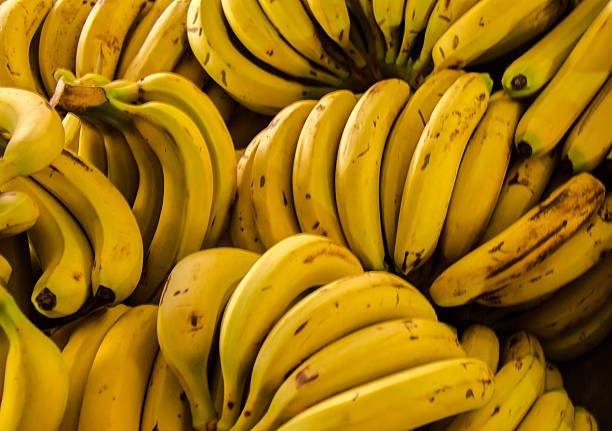
Banana is a sweet, soft, and energy-rich fruit enjoyed all over the world. It grows in hanging clusters on large herbaceous plants. Bananas are known for their curved shape, yellow skin when ripe, and creamy white flesh. The scientific name for the most common edible banana is Musa paradisiaca (for plantain type) or Musa acuminata (for the typical dessert banana).
History and Origin of Banana
Banana has a long and fascinating history. It is believed to have originated in Southeast Asia, particularly in the region that includes Malaysia, Indonesia, and the Philippines, more than 7,000 years ago. From there, bananas spread to India, Africa, and eventually to the Americas through trade routes and colonial expansions. Today, banana is a staple fruit in tropical and subtropical areas worldwide.

How Many Categories of Banana Are There?
There are over 1,000 varieties of bananas globally! These are mainly grouped into two categories:
- Dessert Bananas: Eaten raw when ripe (e.g., Cavendish, Lady Finger, Red Banana)
- Plantains (Cooking Bananas): Usually cooked before eating (e.g., Saba, Bluggoe)
Bananas are also categorized by size, color (yellow, red, green), and texture.
Nutritional Value of 100 Grams of Banana (All Nutrients)
A 100-gram serving of banana provides:
- Calories: 89 kcal
- Water: 74%
- Protein: 1.1 g
- Carbohydrates: 22.8 g
- Fat: 0.3 g
- Vitamins:
- Vitamin C: 8.7 mg (10% DV)
- Vitamin B6: 0.4 mg (33% DV)
- Folate (B9): 20 mcg
- Vitamin A, E, K, B1, B2, Niacin: Small amounts
- Minerals:
- Antioxidants: Dopamine, catechin, and other polyphenols
Why Is Eating Banana Beneficial?
Banana is naturally fat-free, cholesterol-free, and sodium-free. It is a rich source of potassium, vitamin B6, vitamin C, and fiber. Bananas provide quick energy, are gentle on the stomach, and are convenient to eat anywhere, anytime.
What Are the Health Benefits of Eating Banana?
- Boosts Energy: Natural sugars and carbs provide instant fuel for the body.
- Good for Heart Health: High potassium helps control blood pressure and protects the heart.
- Supports Digestion: Dietary fiber prevents constipation and supports gut health.
- Improves Mood: Vitamin B6 helps produce serotonin, the “happy hormone.”
- Regulates Blood Sugar: The fiber in bananas slows sugar absorption.
- Strengthens Immunity: Vitamin C and antioxidants support immune defense.
- Promotes Healthy Muscles: Potassium prevents muscle cramps, especially after exercise.
How Much Banana Should You Eat Per Day?
One to two medium bananas per day is considered healthy for most people as part of a balanced diet. This amount provides enough potassium and fiber without excess calories.
How to Store Banana?
- At Room Temperature: Keep unripe bananas at room temperature to ripen.
- Refrigeration: Once ripe, bananas can be refrigerated for a few days; the skin may darken, but the inside remains fresh.
- Avoid Moisture: Keep bananas dry and separate from other fruits that emit ethylene gas, which can speed up ripening.
When Is the Best Time to Eat Banana?
Bananas can be enjoyed any time—at breakfast, as a snack, or before/after exercise for quick energy. Many people prefer eating bananas in the morning, but they are also a great way to fuel your body during the day.
Does Eating Banana Cause Weight Gain or Loss?
Bananas are moderate in calories and rich in fiber. They help keep you full for longer, reducing overall calorie intake, and supporting weight management. Eating bananas in moderation does not cause weight gain and may even help with weight loss as part of a healthy diet.
Which Banana Is Best for Diabetics?
All ripe bananas have a low to medium glycemic index. However, smaller or less ripe (slightly green) bananas contain less sugar and are better for blood sugar control. Diabetics should enjoy bananas in moderation and pair them with protein or healthy fat.
Which Diseases or Conditions Benefit from Eating Banana?
Bananas are especially beneficial for:
- High blood pressure (reduces risk)
- Digestive issues (relieves constipation)
- Low energy or fatigue (quick energy boost)
- Muscle cramps (prevents with potassium)
- Mood disorders (supports brain health)
- Heart disease (supports cardiovascular health)
In Which Countries or Regions Are Bananas Most Popular?
Bananas are a staple food in tropical and subtropical regions:
- India: The largest consumer and producer
- Brazil, Ecuador, Philippines, Indonesia, China: Major consumers
- Bananas are also popular in the USA, Africa, and Central America.
When Does Banana Demand and Price Increase or Decrease?
Banana is available year-round, but demand and price may increase during festive seasons, school terms, and in regions where other fruits are off-season. Prices may fall during peak harvest periods or oversupply.
Which Country Leads in Commercial Banana Production?
India leads the world in banana production, followed by China, Indonesia, Brazil, Ecuador, and the Philippines. Ecuador is the largest exporter of bananas globally.
Conclusion
Banana is more than just a quick snack—it’s a powerhouse of nutrition enjoyed by millions daily. Easy to digest, rich in essential nutrients, and beneficial for heart, digestion, and energy, bananas deserve their place as one of the world’s most beloved fruits. Include bananas in your daily diet for a tasty, convenient, and healthy boost to your overall wellbeing.