What is Apple and What is Its Scientific Name?
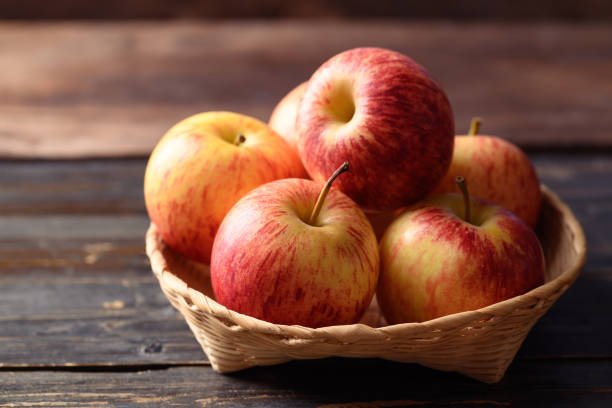
Apple is a popular, sweet, and juicy fruit grown on the apple tree. It is known for its crisp texture, refreshing taste, and vibrant colors ranging from red and green to yellow. Apples belong to the Rosaceae family and their scientific name is Malus domestica.
History and Origin of Apple
The apple has a rich history dating back thousands of years. Originating in the mountains of Central Asia—specifically present-day Kazakhstan—wild apple trees (Malus sieversii) are considered the ancestors of today’s cultivated apples. Apples spread to Europe and the Middle East along ancient trade routes, and later to the Americas with colonists. Over centuries, apples have become a symbol of health, temptation, and prosperity in many cultures.

How Many Categories of Apple Are There?
There are over 7,500 cultivated varieties (cultivars) of apples worldwide! These can be categorized by color (red, green, yellow), taste (sweet, tart), and use (eating fresh, cooking, juicing, baking). Popular types include Red Delicious, Granny Smith, Fuji, Gala, Honeycrisp, Golden Delicious, and McIntosh.
Nutritional Value of 100 Grams of Apple (All Nutrients)
A 100-gram serving of apple (with skin) contains:
- Calories: 52 kcal
- Water: 86%
- Protein: 0.3 g
- Carbohydrates: 14 g
- Fat: 0.2 g
- Vitamins:
- Minerals:
- Antioxidants: Polyphenols, quercetin, catechin, chlorogenic acid
Why Is Eating Apple Beneficial?
Apples are low in calories, high in fiber, and packed with antioxidants and vitamins. They support overall health, help manage body weight, and can be enjoyed by people of all ages. Apples are also versatile, easy to carry, and require no peeling.
What Are the Health Benefits of Eating Apple?
- Boosts Heart Health: Fiber and antioxidants lower cholesterol and support heart function.
- Improves Digestion: Soluble fiber aids in digestion and prevents constipation.
- Supports Weight Loss: High water and fiber content increase satiety, reducing calorie intake.
- Controls Blood Sugar: Polyphenols and fiber slow sugar absorption, making apples suitable for diabetics.
- Strengthens Immunity: Vitamin C and antioxidants enhance immune defense.
- Protects Against Chronic Diseases: Regular consumption may lower the risk of diabetes, stroke, and certain cancers.
- Promotes Brain Health: Antioxidants in apples support memory and cognitive health.
How Much Apple Should You Eat Per Day?
One medium-sized apple (about 150 grams) per day is ideal for most adults. It can be part of your daily fruit intake, which is generally recommended to be 2-4 servings of fruit per day.
How to Store Apple?
- Refrigeration: Store apples in the refrigerator to keep them fresh and crisp for several weeks.
- Room Temperature: Apples can be kept at room temperature for a few days, but they ripen quickly.
- Away from Other Fruits: Apples release ethylene gas, which can speed up ripening of nearby fruits—store separately if possible.
When Is the Best Time to Eat Apple?
Apples can be enjoyed at any time of the day! Eating apples in the morning or as a midday snack is excellent for boosting energy and curbing hunger. Avoid eating apples right before bed if you have sensitive digestion.
Does Eating Apple Cause Weight Gain or Loss?
Apples are low in calories and fat, high in fiber, and help you feel full. Including apples in your diet aids in weight loss and weight management rather than weight gain.
Which Apple Is Best for Diabetics?
All fresh apples are good for diabetics due to their low glycemic index and high fiber content. However, green apples (like Granny Smith) are slightly lower in sugar and can be a better choice for blood sugar control.
Which Diseases or Conditions Benefit from Eating Apple?
Apples are particularly beneficial for:
- Heart disease (lower cholesterol)
- Type 2 diabetes (better blood sugar control)
- Digestive disorders (improves gut health)
- Obesity (aids in weight loss)
- Certain cancers (due to antioxidants)
- Asthma and lung health (flavonoids may reduce risk)
In Which Countries or Regions Are Apples Most Popular?
Apples are loved worldwide. They are especially popular in the United States, China, Europe (Germany, France, UK, Poland), Russia, and Australia. In many countries, apples are a staple fruit for all ages.
When Does Apple Demand and Price Increase or Decrease?
Apple demand and prices rise during the autumn harvest season (September-November in the northern hemisphere), and during festive periods or winter when fresh fruit options are limited. Prices may decrease slightly in late harvest or when cold storage apples are widely available in spring.
Which Country Leads in Commercial Apple Production?
China is the world’s largest producer of apples, followed by the United States, Poland, India, and Russia. China alone produces over 40% of the world’s apples, with the U.S. being the largest exporter.
Conclusion
Apple is not just a fruit—it’s a symbol of health and vitality. With thousands of varieties, an impressive nutritional profile, and remarkable health benefits, apples truly deserve their reputation as “nature’s perfect snack.” Whether fresh, baked, juiced, or in salads, including apples in your daily diet is a delicious way to support lifelong wellness.