What is Trout? What is its Scientific Name?
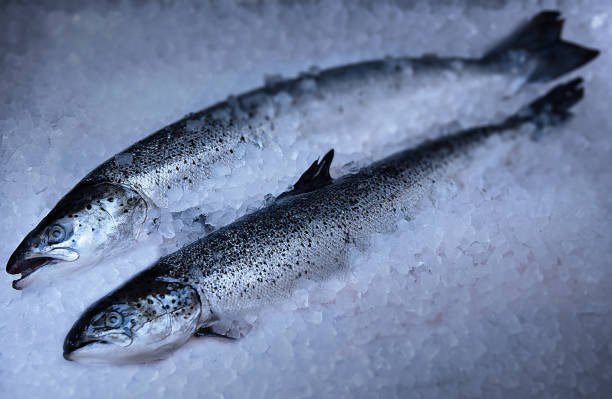
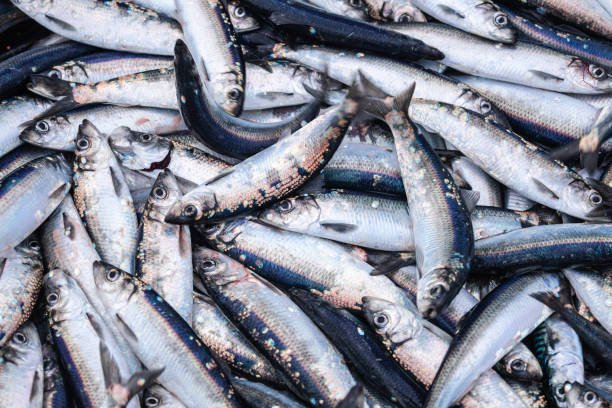
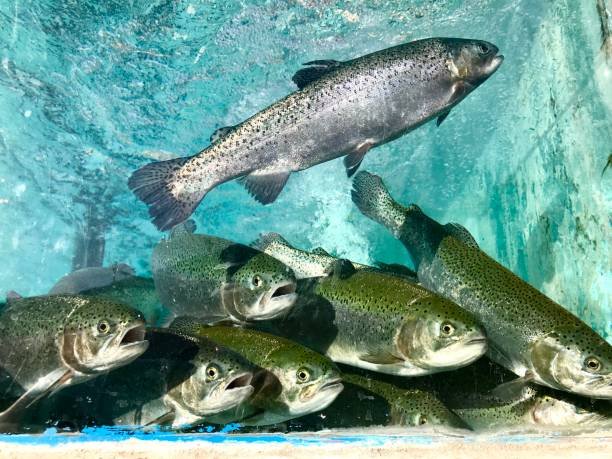
Trout is a freshwater fish known for its tender flesh and mild flavor. The most common species is Oncorhynchus mykiss (Rainbow Trout), along with others like Salmo trutta (Brown Trout). Trout is highly valued for its delicious taste and nutritional profile, making it popular worldwide.
History and Origin of Trout
Trout has been a staple in freshwater ecosystems and human diets for centuries. Native to North America and Eurasia, trout has been cultivated in streams, lakes, and hatcheries. It has long been appreciated in traditional cuisines, especially in North America and Europe, for its delicate flavor and health benefits.

Nutritional Benefits of 100 grams of Trout Fish
A 100-gram serving of trout provides an impressive array of nutrients:
- Calories: About 148 kcal — a nutritious, low-calorie protein source.
- Omega-3 Fatty Acids: Around 1.0-1.5 grams — essential for brain health, reducing inflammation, and supporting heart health.
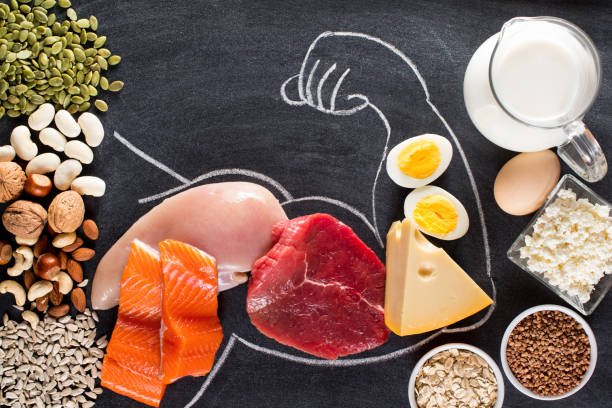
- Protein: 20-22 grams — high-quality protein vital for muscle repair and overall wellness.
- Vitamins:
- Vitamin D: Supports bone health and immune function.
- Vitamin B12: Important for nerve health and red blood cell production.
- Vitamin B6 & Niacin: Help in energy metabolism and maintaining healthy skin and nerves.
- Minerals:
- Selenium: Acts as an antioxidant, protecting cells from damage.
- Phosphorus: Supports bone health and energy production.
- Magnesium: Supports nerve and muscle functions.
What Are the Health Benefits of Trout?
Eating trout regularly can offer numerous health benefits:
- Supports Heart Health: Its omega-3s help lower blood pressure and cholesterol.
- Enhances Brain Function: DHA supports cognitive performance and may reduce neurodegenerative risks.
- Helps Maintain Healthy Weight: Low in calories but high in protein.
- Strengthens Immunity: Vitamins D and B12 boost immune defenses.
- Promotes Bone and Skin Health: Thanks to vitamin D and healthy fats.
What Are the Different Types of Trout?
- Rainbow Trout (Oncorhynchus mykiss): The most common and widely farmed trout, known for its pink flesh.
- Brown Trout (Salmo trutta): Native to Europe, with a slightly stronger flavor.
- Golden Trout: A colorful subspecies, mostly ornamental but also consumed.
Where Are the Best Sources of Trout?
Top regions include:
- North America: Especially in the United States (Pacific Northwest) and Canada.
- Europe: Particularly in Norway, Sweden, and Scotland.
- New Zealand and Australia: Known for sustainable trout farming.
What Is the Price Range of Trout?
- Fresh trout: Usually costs between $10 to $20 per pound.
- Frozen trout: Similar or slightly less, often found in bulk.
- Farm-raised or wild: Wild trout tends to be more expensive.
How Should Trout Be Stored?
- Fresh trout: Keep refrigerated at or below 4°C (39°F), consume within 1-2 days.
- Frozen trout: Store in airtight packaging and use within 3-6 months.
- Cooked trout: Refrigerate and consume within 2 days.
What Does Trout Taste Like?
Trout has a mild, delicate flavor with a tender, flaky texture. Its taste is not overpowering, making it versatile for various cooking styles like baking, grilling, poaching, or pan-frying.
Is Trout the Most Nutritious Fish?
While not the absolute most nutrient-dense fish, trout is considered highly nutritious due to its omega-3 content, high-quality protein, and vitamins. Its mild flavor and versatility make it a popular choice for healthy diets.
Is Cod Liver Oil Made From Trout?
No, cod liver oil is extracted specifically from cod livers, not trout. However, trout is rich in omega-3s and other nutrients beneficial for health.
How Does Frozen Trout Compare to Fresh?
Properly frozen trout retains most of its nutrients and flavor, making it nearly as nutritious as fresh. Freezing immediately after harvest preserves its quality effectively.
Does Eating Trout Boost Disease Resistance?
Yes, thanks to omega-3 fatty acids, vitamins D and B12, trout can help boost your immune system, reduce inflammation, and support overall health.
Which Country Produces the Most Trout?
The United States (particularly in the Pacific Northwest), Norway, and Chile are leading producers and exporters of trout.
Which Country Consumes the Most Trout?
The United States, Norway, and Germany are among the highest consumers, where trout is a common feature in various dishes.
Which Country Is the Largest Commercial Producer of Trout?
Norway and the United States are the top producers, with extensive aquaculture industries.
Where Is Trout Most Popular to Eat?
Trout is especially popular in North American, European, and Australian cuisines, often served baked, grilled, or smoked.
Conclusion
Trout fish is a highly nutritious, delicious, and versatile seafood choice packed with omega-3s, high-quality protein, and essential vitamins. Its mild flavor and ease of preparation make it a favorite for health-conscious consumers worldwide. Incorporating trout into your diet can support your heart, brain, and overall health while enjoying a tasty, sustainable seafood.