What is Pumpkin?
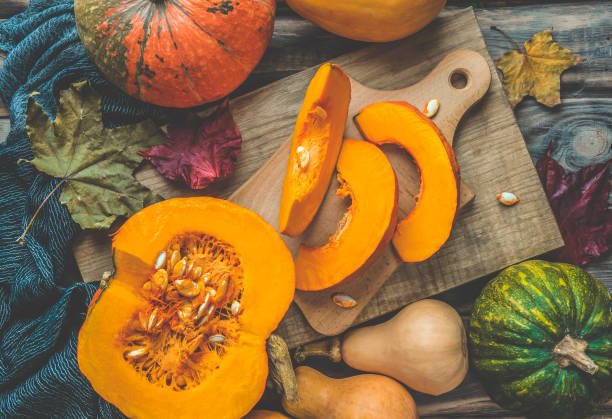
Pumpkin is a round, orange or yellowish gourd belonging to the Cucurbitaceae family. It has a thick rind, with sweet, flavorful flesh inside, and contains numerous seeds. Pumpkins are highly versatile and used in soups, pies, snacks, and even savory dishes. Rich in nutrients, pumpkin is celebrated worldwide for its health benefits.
Where is Pumpkin Usually Grown?
Pumpkin is cultivated across many regions with warm climates. Major producers include the United States, China, India, Mexico, and Egypt. The United States, especially states like Illinois and California, is one of the largest pumpkin producers.
History and Origin of Pumpkin
Pumpkin originated over 5,000 years ago in Central America, particularly in Mexico and parts of North America. Indigenous peoples cultivated pumpkins long before Europeans arrived. As a staple food and medicinal plant, pumpkins spread globally, becoming an essential ingredient in various cuisines.
Which Country’s Food Is It Most Popular In?
Pumpkin is particularly popular in the United States (especially during Halloween and Thanksgiving), Mexico (in soups and desserts), and in many Asian countries where it features in curries and snacks. It is also widely used in European cuisines.
Nutritional Benefits of 100 grams of Pumpkin
A 100-gram serving of pumpkin provides:
-
- Vitamins: A, C, E, and B vitamins
-
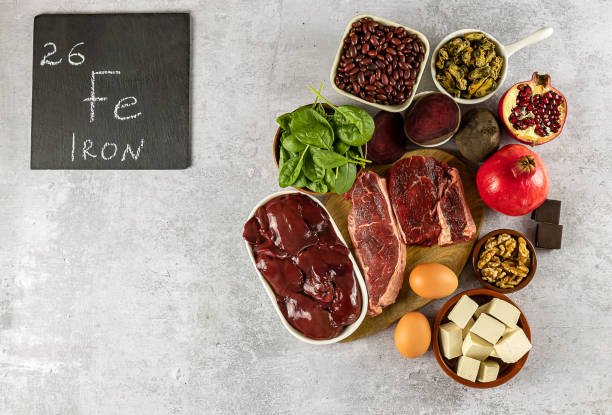
- Minerals: Potassium, magnesium, and iron
Pumpkin is low in calories but rich in beta-carotene, antioxidants, and essential nutrients.
How Does Pumpkin Benefit Our Health and Nutrition?
Pumpkin is packed with antioxidants like beta-carotene, which supports eye health and boosts immunity. Its high fiber content promotes digestion and weight management. Vitamin A in pumpkin enhances vision and skin health. It also contains phytochemicals that reduce inflammation and oxidative stress.
Pumpkin as a Defender Against Diseases
Research shows that pumpkin’s antioxidants help prevent chronic diseases such as heart disease, cancer, and age-related macular degeneration. Its vitamin content supports immune function and reduces inflammation, protecting overall health.
Different Types and Varieties of Pumpkin
There are various types of pumpkins, including:
-
- Sugar pumpkins (used for baking and pies)
-
- Field pumpkins (larger and less sweet, mainly for carving)
-
- Mini pumpkins (used for decoration and small dishes)
-
- Asian pumpkins (like Kabocha, with dense, sweet flesh)
Each variety has unique flavors and culinary uses.
How is Pumpkin Cultivated and Harvested?
Pumpkins are grown from seeds in well-drained, fertile soil. They require warm weather, ample sunlight, and regular watering. Farmers harvest pumpkins when they turn orange and have a firm rind. Proper curing enhances flavor and shelf life.
Why is Pumpkin Considered a Superfood?
Pumpkin is called a superfood because it is loaded with vitamins, minerals, antioxidants, and dietary fiber. Its ability to improve eye health, boost immunity, support weight management, and prevent chronic diseases makes it an essential part of a healthy diet.
Which Country Produces the Most Pumpkins?
The United States leads global pumpkin production, followed by China, India, Mexico, and Egypt. These countries have favorable climates and large-scale farming systems supporting extensive pumpkin cultivation.
Recent Research and New Discoveries about Pumpkin
Recent studies focus on pumpkin’s role in managing blood sugar levels, promoting gut health, and preventing age-related diseases. Researchers are exploring pumpkin seed extracts and biofortified varieties to enhance nutritional benefits further.
How Can We Incorporate Pumpkin into Our Meals?
Pumpkin is very versatile:
-
- Baked or roasted as a side dish
-
- Made into soups, stews, and curries
-
- Used in pies, muffins, and desserts
-
- Grilled or sautéed in savory dishes
-
- Added to salads or used as stuffing
Is Pumpkin Safe for Pregnant Women and Children?
Yes, pumpkin is safe and highly nutritious for pregnant women and children. Its high vitamin A, C, and fiber content supports fetal development and immune health. Proper cooking ensures maximum safety and nutrient absorption.
Does Pumpkin Help with Weight Loss and Digestion?
Absolutely. Its low calorie and high fiber content promote satiety, aiding weight loss. The fiber also supports healthy digestion, regular bowel movements, and gut health.
Are There Any Downsides to Eating Pumpkin?
In rare cases, excessive consumption may cause digestion issues or allergic reactions. Pumpkin seeds contain oxalates, which could contribute to kidney stones in susceptible individuals. People with certain health conditions should consume in moderation.
Conclusion
Pumpkin is a nutritious, delicious, and versatile superfood offering numerous health benefits. Its rich antioxidants, vitamins, and fiber support overall wellness, eye health, immunity, and disease prevention. Incorporating pumpkin into your diet can be a tasty way to boost your health and enjoy seasonal flavors.