What is Sweet Potato?
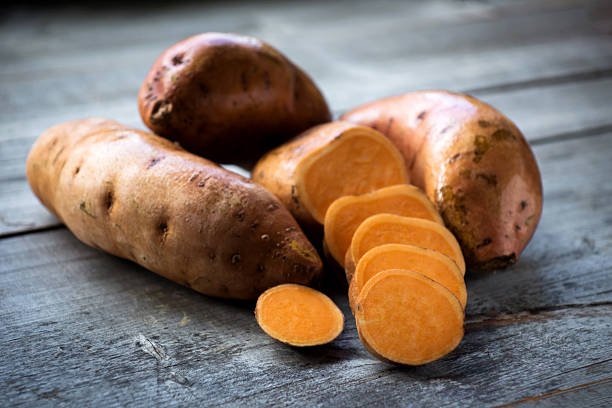
Sweet potato is a root vegetable belonging to the Convolvulaceae family, closely related to morning glories. It features a sweet, earthy flavor and a starchy, moist texture. Available in varieties with orange, purple, or white flesh, sweet potato is celebrated for its rich nutrient profile and versatility in cooking.
Where is Sweet Potato Usually Grown?
Sweet potatoes are cultivated mainly in tropical and subtropical regions. Major producers include China, Nigeria, India, Indonesia, and the United States. China is the largest producer, supplying a significant share of the world’s sweet potatoes.
History and Origin of Sweet Potato
Sweet potato originated over 5,000 years ago in Central and South America. It was a staple food for ancient civilizations like the Incas and Aztecs. When explorers brought it to Europe and Asia, it quickly gained popularity due to its nutritional value and adaptability.
Which Country’s Food Is It Most Popular In?
Sweet potato is a favorite in many countries, especially in Japan, the Philippines, the United States, and African nations. In Japan, it is used in desserts and snacks, while in the Philippines, it’s a common ingredient in traditional dishes.
Nutritional Benefits of 100 grams of Sweet Potato
A 100-gram serving of sweet potato provides:
How Does Sweet Potato Benefit Our Health and Nutrition?
Sweet potato is a powerhouse of health benefits. Its high beta-carotene content supports eye health, boosts immunity, and fights oxidative stress. Its fiber improves digestion and promotes gut health. The complex carbs provide sustained energy, making it ideal for active lifestyles.
Sweet Potato as a Defender Against Diseases
Research indicates that sweet potato’s antioxidants, especially beta-carotene and anthocyanins, help reduce inflammation and lower the risk of chronic diseases such as heart disease, diabetes, and certain cancers. Its ability to support immune function makes it a natural health booster.
Different Types and Varieties of Sweet Potato
There are several varieties:
- Orange-fleshed sweet potatoes, rich in beta-carotene
- Purple sweet potatoes, high in anthocyanins and antioxidants
- White-fleshed sweet potatoes, with a milder flavor and lower beta-carotene
Each type offers unique flavors and nutritional benefits suitable for baking, boiling, roasting, or making desserts.
How is Sweet Potato Cultivated and Harvested?
Sweet potatoes are grown from slips or cuttings rather than seeds. They prefer warm, well-drained soil and plenty of sunlight. Farmers harvest them when the vines die back, usually after 4-6 months of planting. Proper curing enhances flavor and shelf life.
Why is Sweet Potato Considered a Superfood?
Sweet potato is called a superfood because it’s packed with essential nutrients, antioxidants, and fiber. Its ability to promote eye health, boost immunity, support weight management, and prevent chronic diseases makes it a vital dietary component.
Which Country Produces the Most Sweet Potatoes?
China leads global sweet potato production, followed by Nigeria, India, Indonesia, and the United States. These countries have favorable climates and large-scale farming systems that support extensive cultivation.
Recent Research and New Discoveries about Sweet Potato
Recent studies highlight sweet potato’s potential in managing blood sugar levels, supporting brain health, and reducing inflammation. Biofortified varieties are being developed to combat malnutrition and improve nutritional intake in vulnerable populations.
How Can We Incorporate Sweet Potato into Our Meals?
Sweet potatoes are versatile:
- Baked or roasted as a side dish
- Mashed with herbs and butter
- Made into fries, chips, or chips baked with spices
- Used in soups, stews, and casseroles
- Incorporated into desserts like pies, puddings, or smoothies
Is Sweet Potato Safe for Pregnant Women and Children?
Yes, sweet potato is safe and highly nutritious for pregnant women and children. Its high vitamin A and antioxidants support fetal development and immune health. Cooking thoroughly is essential to maximize safety and nutrient absorption.
Does Sweet Potato Help with Weight Loss and Digestion?
Absolutely. Its high fiber content promotes fullness, aiding weight management. The complex carbs provide sustained energy, and its fiber supports healthy digestion and gut health.
Are There Any Downsides to Eating Sweet Potato?
Overconsumption may lead to excess vitamin A intake, which can cause toxicity. People with thyroid issues should consume it in moderation due to its goitrogenic compounds. Also, high carbohydrate content may affect blood sugar levels in diabetics if not monitored.
Conclusion
Sweet potato is undoubtedly a nutritious, versatile, and delicious superfood with numerous health benefits. Its vibrant varieties, rich nutrient profile, and culinary flexibility make it an excellent addition to a healthy diet. Regular inclusion of sweet potato can promote overall wellness and support a sustainable, balanced lifestyle.