What is Broccoli?
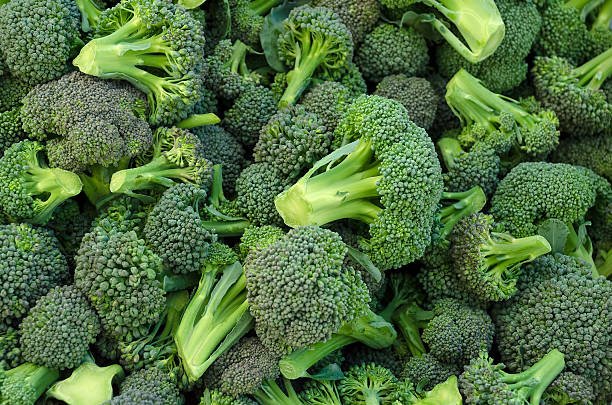
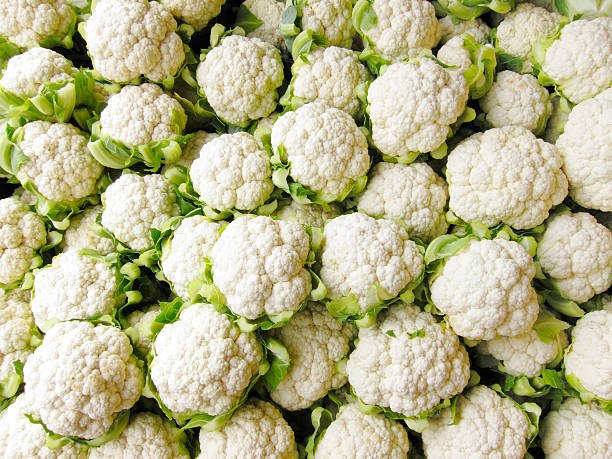
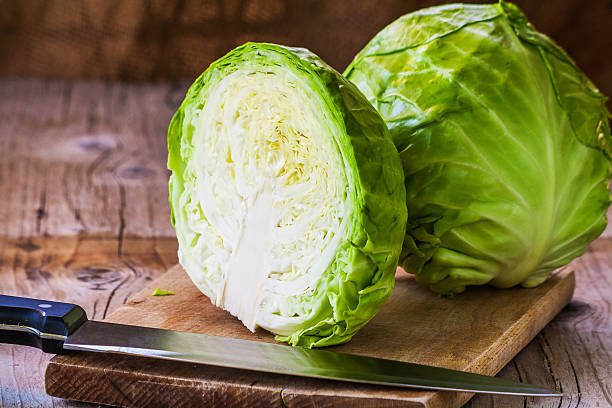
Broccoli is a cruciferous vegetable belonging to the Brassicaceae family, closely related to cabbage, cauliflower, and kale. It features a dense green head composed of tiny buds, with thick stalks and leafy greens. Known for its slightly bitter but savory flavor, broccoli is celebrated worldwide for its health benefits.
Where is Broccoli Usually Grown?
Broccoli is cultivated across many countries with temperate climates. Major producers include China, India, the United States, Mexico, and Spain. China is the largest producer, supplying most of the world’s broccoli.
History and Origin of Broccoli
Broccoli originated over 2,000 years ago in the Mediterranean region, particularly in Italy. It was cultivated and appreciated by ancient Romans and Greeks for its nutritional value. Over centuries, selective breeding has resulted in various broccoli types, making it a staple in modern agriculture.
Nutritional Benefits of 100 grams of Broccoli
A 100-gram serving of broccoli provides:
This makes broccoli a low-calorie, nutrient-dense vegetable ideal for boosting overall health.
Health and Nutritional Benefits of Broccoli
Broccoli is renowned for its powerful antioxidant and anti-inflammatory properties. It supports immune function, improves digestion, and helps detoxify the body. Its high vitamin C and K content promote healthy skin and blood clotting, while its fiber aids digestion and weight management. Regular consumption can reduce the risk of chronic diseases, including certain cancers.
Broccoli as a Defender Against Diseases
Research indicates that broccoli contains sulforaphane and other phytochemicals with potent anti-cancer effects. These compounds help inhibit the growth of cancer cells in the breast, prostate, and colon. Its anti-inflammatory properties also support joint health and reduce cardiovascular risks.
Types and Varieties of Broccoli
While the most common form is the green broccoli, there are also:
- Purple broccoli, with anthocyanins (powerful antioxidants)
- White broccoli, a variation with a different flavor profile
- Romanesco broccoli, with spiral-shaped, fractal-like heads and a nutty flavor
Each variety offers unique nutrients and visual appeal.
How is Broccoli Cultivated and Harvested?
Broccoli is grown from seedlings or seeds in fertile, well-drained soil. It prefers cooler temperatures and consistent watering. Farmers typically harvest broccoli when the head is tight, firm, and dark green, usually about 60-100 days after planting. Proper harvesting ensures maximum freshness and nutrient preservation.
Why is Broccoli Considered a Superfood?
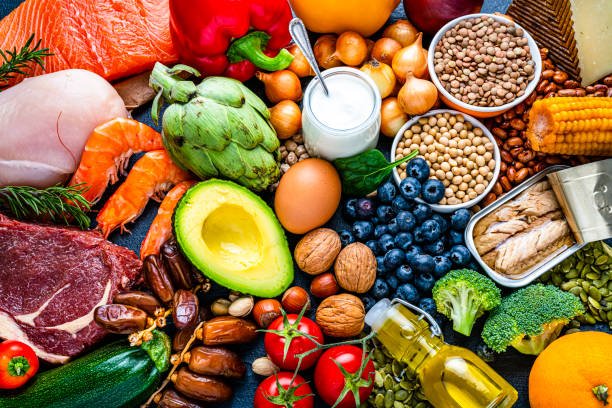
Broccoli earns the label of superfood due to its high concentration of vitamins, minerals, antioxidants, and phytochemicals. It supports health in numerous ways, including boosting immunity, reducing inflammation, and lowering the risk of chronic diseases, making it an essential addition to a balanced diet.
Which Countries Produce the Most Broccoli?
China leads global broccoli production, followed by India, the United States, and Mexico. These countries have favorable climates and large-scale farming systems supporting extensive broccoli cultivation.
Recent Research and New Discoveries about Broccoli
Recent scientific studies highlight broccoli’s role in cancer prevention, brain health, and cardiovascular protection. Its antioxidants are being studied for their potential to slow aging and improve cognitive function. Additionally, research explores broccoli’s benefits in plant-based diets and sustainable agriculture.
How to Incorporate Broccoli into Your Diet
Broccoli can be enjoyed in many delicious ways:
- Steamed or boiled as a side dish
- Roasted with herbs and olive oil
- Stir-fried with garlic and spices
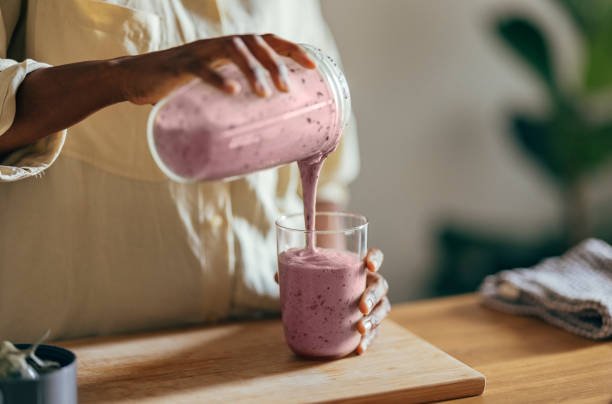
- Blended into smoothies or soups
- Added raw to salads or as a snack with dips
Its mild, savory flavor makes it adaptable to various recipes.
Is Broccoli Safe for Pregnant Women and Children?
Yes, broccoli is safe and highly nutritious for pregnant women and children. Its high folate and vitamin C content support fetal development and immune health. However, people with thyroid issues should consume it in moderation because of goitrogens.
Does Broccoli Help with Weight Loss and Digestion?
Absolutely. Broccoli is low in calories and high in fiber, making it ideal for weight management. Its fiber promotes healthy digestion, prevents constipation, and supports gut health.
Potential Downsides of Broccoli
Some individuals may experience bloating or gas due to its raffinose and fiber content. Those with thyroid conditions should moderate intake because of goitrogens. Overconsumption might cause digestive discomfort.
Conclusion
Broccoli is undeniably a superfood that offers numerous health benefits, from cancer prevention to improved digestion and weight management. Its versatility and rich nutrient profile make it a valuable addition to any healthy diet. Incorporating broccoli regularly can enhance your overall well-being and promote a sustainable, health-conscious lifestyle.