Search
Close this search box.

Phytosterols & Heart Health: What You Need to Know

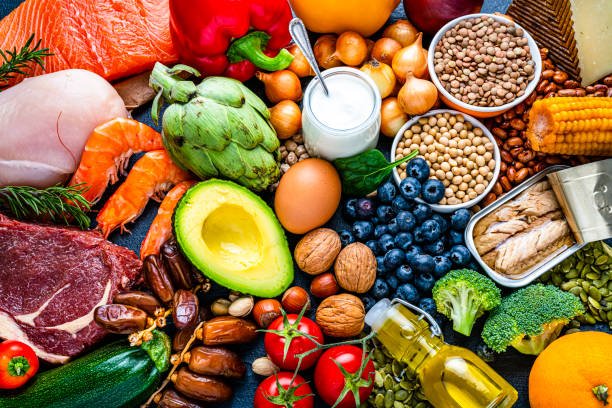
Assorted nuts, seeds, and plant oils showcasing natural sources of Phytosterols.
Facebook
Twitter
LinkedIn

What Is Phytosterols and Why Are They Important for the Body?

Phytosterols are naturally occurring plant compounds structurally similar to cholesterol. They are found in various plant-based foods and act as plant sterols. These compounds are vital because they help reduce cholesterol levels by blocking its absorption in the digestive system. Moreover, Phytosterols possess antioxidant properties that protect cells from oxidative stress, support heart health, and may even have anti-inflammatory effects. Incorporating Phytosterols into your diet can significantly contribute to maintaining healthy cholesterol levels and overall cardiovascular health.

Which Foods or Fruits and Vegetables Contain Phytosterols?

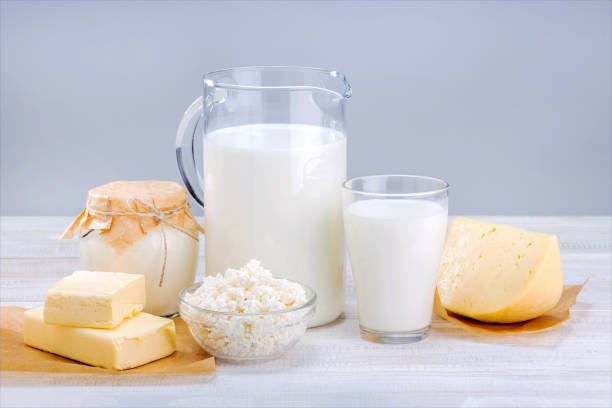
Phytosterols are abundant in plant-based foods. Rich sources include nuts like almonds and walnuts, seeds such as sesame and sunflower seeds, and plant oils like soybean, corn, and canola oil. Fruits like avocados and berries also contain moderate amounts. Vegetables such as broccoli, carrots, and spinach contribute to dietary Phytosterols. Fortified foods like certain spreads, cereals, and dairy products are also enriched with Phytosterols to help people meet their daily intake. Regular consumption of these foods can boost your Phytosterol levels naturally.

What Problems Can Arise from a Deficiency of Phytosterols?

A deficiency of Phytosterols is rare but can lead to increased levels of LDL cholesterol, which in turn raises the risk of developing cardiovascular diseases like heart attack and stroke. Without sufficient plant sterols, the body loses an important mechanism to regulate cholesterol absorption. Over time, this can contribute to a buildup of plaque in arteries, leading to atherosclerosis. Maintaining adequate Phytosterol intake is therefore essential for healthy heart function and lipid management.

Are There Risks of Taking Too Much Phytosterols?

While Phytosterols are generally safe and beneficial when consumed through natural foods, excessive intake, especially from supplements, can cause minor side effects such as gastrointestinal discomfort, gas, or diarrhea. In very high doses, Phytosterols might interfere with the absorption of fat-soluble vitamins like A, D, E, and K. People with certain rare genetic conditions affecting plant sterol metabolism should consult healthcare providers before supplementing. Moderation and natural sources are the safest ways to enjoy their benefits.

Which Parts of the Body Need Phytosterols the Most?

Phytosterols primarily benefit the cardiovascular system by lowering LDL cholesterol levels, thus reducing the risk of heart disease. They also support the immune system and help maintain healthy cell membranes across various tissues. The liver, heart, and blood vessels are the parts of the body that benefit most from the cholesterol-lowering and anti-inflammatory properties of Phytosterols.

How Much Phytosterols Do Different Age Groups Need?

Experts recommend consuming about 2 grams of Phytosterols daily to achieve cholesterol-lowering benefits. Children generally get sufficient amounts from a balanced diet rich in fruits, vegetables, and nuts. Adults should aim to include Phytosterol-rich foods regularly, especially those with high cholesterol or at risk of cardiovascular disease. Older adults might require focused dietary intake to help manage age-related cholesterol increases and support heart health.

What Are the Effects of Too Little or Too Much Phytosterols in the Diet?

Low Phytosterol intake can result in higher LDL cholesterol levels, increasing the risk of atherosclerosis and heart disease. Conversely, overconsumption, especially through supplements, might cause gastrointestinal issues or interfere with the absorption of essential fat-soluble vitamins. Maintaining a balanced intake from natural sources ensures optimal health benefits without adverse effects.

Are Phytosterol Supplements Safe and Effective?

Phytosterol supplements are considered safe for most people and can be very effective in lowering LDL cholesterol. They are often recommended for individuals who cannot get enough from their diet or have elevated cholesterol levels. However, long-term high-dose supplementation should be supervised by healthcare professionals to avoid potential side effects and vitamin absorption issues. For most, obtaining Phytosterols through diet remains the safest and most natural approach.

Do Phytosterols Interact with Other Nutrients or Substances?

Yes, Phytosterols can interact synergistically with other antioxidants like Vitamin C and E, enhancing their protective effects. They may also influence the absorption of fat-soluble vitamins, so it’s important to ensure a balanced diet. Certain medications affecting cholesterol or fat absorption, like statins or bile acid sequestrants, might also interact with Phytosterols. Always consult your healthcare provider when combining supplements with medications.

Why Are Phytosterol Levels Tested in Medical Diagnostics?

Measuring Phytosterol levels can help assess nutritional status, especially in patients with unexplained high cholesterol or genetic conditions like sitosterolemia, where plant sterols accumulate abnormally. It also provides insights into the effectiveness of dietary interventions aimed at lowering cholesterol. Monitoring these levels can guide personalized treatment plans for cardiovascular health and nutritional adequacy.

Rock Salt & Benefits: Why It’s a Natural Treasure

A large chunk of natural rock salt with visible crystalline structure on a wooden surface.
Facebook
Twitter
LinkedIn

What Is Rock Salt?

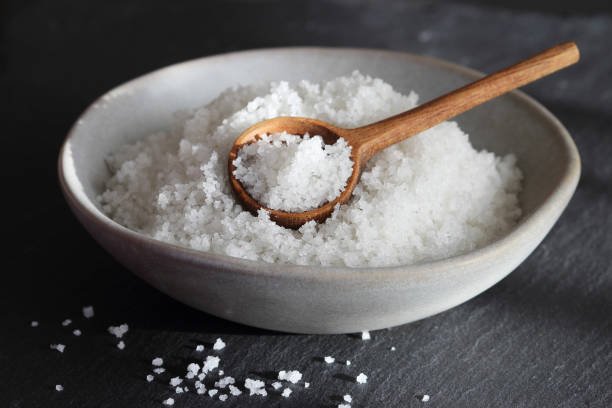
Rock Salt, also known as mineral or halite, is a naturally occurring crystalline mineral composed primarily of sodium chloride (NaCl). It forms through the evaporation of seawater or saline lakes over thousands of years. Unlike refined table salt, rock salt is coarse, unprocessed, and often used in various industrial, culinary, and medicinal applications.

What Is the Composition of Rock Salt?

The main component of rock salt is sodium chloride (NaCl). It contains large crystals of salt along with trace minerals like calcium, magnesium, and potassium, depending on its source. These minerals can give rock salt a slightly different color and mineral content compared to processed table salt.

Where Can You Find Rock Salt?

Rock salt deposits are found in many parts of the world, including underground salt mines and salt flats. Countries like the USA, India, China, and Germany are major producers. It is mined extensively for industrial use, de-icing roads in winter, and sometimes for culinary purposes.

What Are the Uses of Rock Salt?

Rock salt has a wide range of applications:

  • Industrial: Used in the manufacture of chemicals, textiles, and glass.
  • De-icing: Spread on roads and walkways during winter to melt ice.
  • Culinary: Used in salt grinders, for seasoning, and in salt caves for therapy.
  • Medicinal: Used in salt therapy rooms and for some traditional treatments.
  • Preservation: Used for curing meats and preserving foods.

How Does Rock Salt Work?

In industrial and de-icing applications, rock salt works by lowering the freezing point of water, effectively melting ice and snow. When used in cooking or salt caves, its coarse texture and mineral content provide unique flavor and health benefits. Its ability to draw moisture and inhibit bacterial growth makes it an effective preservative.

How Important Is Rock Salt?

Rock salt is crucial in many industries and environmental applications. It helps keep roads safe in winter, supports chemical manufacturing, and is valued in holistic health practices like salt therapy. Its natural mineral content also offers potential health benefits in alternative medicine.

What Happens if You Use Too Little or Too Much Rock Salt?

Using too little rock salt in cooking or preservation might result in bland flavors or spoiled foods. Overuse, especially in de-icing or industrial settings, can cause environmental harm and health issues due to excessive mineral intake or runoff.

Why Do Rock Salt Deficiencies Occur?

Rock salt deficiency is rare since it is abundant in nature. However, in specific health treatments like salt therapy, inadequate exposure to salt caves or mineral-rich environments might limit benefits.

What Are the Signs of Too Little or Too Much Rock Salt?

Deficiency signs include muscle cramps or dehydration, while excessive intake can lead to high blood pressure, kidney strain, or other health problems. In environmental contexts, overuse during de-icing can cause water and soil contamination.

Is Rock Salt a Natural Ingredient?

Yes, rock salt is a natural mineral formed over millions of years and is mined directly from the earth. It undergoes minimal processing compared to refined table salt.

Is Rock Salt Healthy?

In moderation, rock salt can provide essential minerals and support respiratory health when used in salt therapy. However, excessive consumption can be harmful, especially for individuals with hypertension or kidney issues.

Is Rock Salt Harmful?

Excessive intake or improper use of rock salt can be harmful, leading to health problems like high blood pressure. Environmental overuse, such as in de-icing, can also cause ecological harm.

Does Rock Salt Help in Weight Loss?

There is limited scientific evidence to suggest that rock salt directly aids in weight loss. However, some believe that salt therapy and mineral-rich environments can improve overall well-being, which might support weight management indirectly.

Conclusion

Rock salt is a versatile, natural mineral with significant industrial, medicinal, and culinary uses. Its mineral content and natural formation make it unique. While beneficial when used properly, overuse or misuse can pose health and environmental risks. Responsible consumption and application are essential for harnessing its benefits safely.
Leave a Comment

Your email address will not be published. Required fields are marked *

Scroll to Top