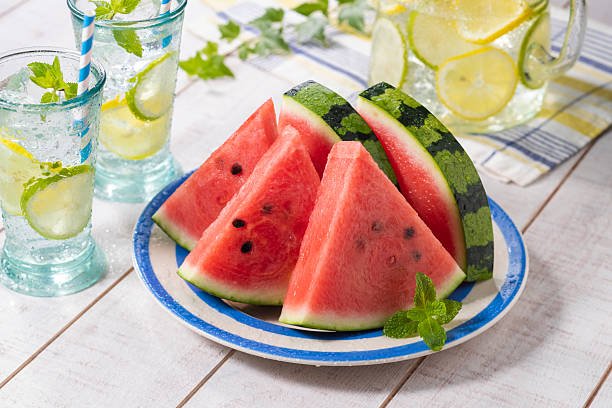
Watermelon, scientifically known as Citrullus lanatus, is a flowering plant originally native to Africa. Archaeological evidence shows watermelon was cultivated over 5,000 years ago in ancient Egypt. Over time, it spread across the Mediterranean, Asia, and the Americas through trade and exploration. Today, watermelon is grown worldwide, thriving in warm climates. Its large green rind, red or yellow flesh, and black seeds make it one of the most recognizable and cherished fruits globally.
How Many Types of Watermelon Are There?
There are many varieties of watermelon, each with unique flavors, colors, and sizes:
- Seeded Watermelon: Classic large watermelons with black seeds.
- Seedless Watermelon: Popular for easy eating; small, sweet, and mostly seedless.
- Mini or Personal Watermelon: Small, convenient, and great for single servings.
- Yellow/Orange Flesh Watermelon: Bright yellow or orange inside, with a honey-like flavor.
- Picnic and Icebox Types: Differ in size and sweetness; picnic types are larger, icebox types are smaller.
These diverse varieties ensure there’s a watermelon for every taste and occasion.
Watermelon Nutrition Facts: All Nutrients in 100 Grams
In every 100 grams of watermelon, you get:
This makes watermelon a hydrating, low-calorie, and antioxidant-rich fruit ideal for summer.
Why Is Eating Watermelon Good for You?
Watermelon isn’t just delicious – it’s a health booster! Packed with water, it keeps you hydrated on hot days, while its natural sugars provide quick energy. The vitamin C and vitamin A in watermelon support your immune system and skin health. Lycopene, the antioxidant that gives watermelon its red color, is linked to heart, skin, and prostate health. Watermelon also contains citrulline, an amino acid that may help with muscle recovery and blood flow. Eating watermelon regularly helps maintain hydration, supports heart health, and delivers a burst of essential nutrients.
7 Proven Health Benefits of Watermelon
- Keeps you hydrated with high water content
- Supports heart health and lowers blood pressure
- Rich in antioxidants, protecting cells from damage
- Promotes healthy skin and vision
- Helps muscle recovery after exercise
- Aids in digestion with water and fiber
- May help prevent certain cancers due to lycopene
How Much Watermelon Should You Eat Daily?
For most adults, 1-2 cups (about 150-300 grams) of watermelon per day is a healthy amount. This serving provides hydration, vitamins, and antioxidants without excess sugar or calories. Children can enjoy a smaller portion. As watermelon is mostly water, it’s difficult to overeat, but moderation is always wise—especially for people with diabetes or kidney issues.
The Best Way to Eat Watermelon
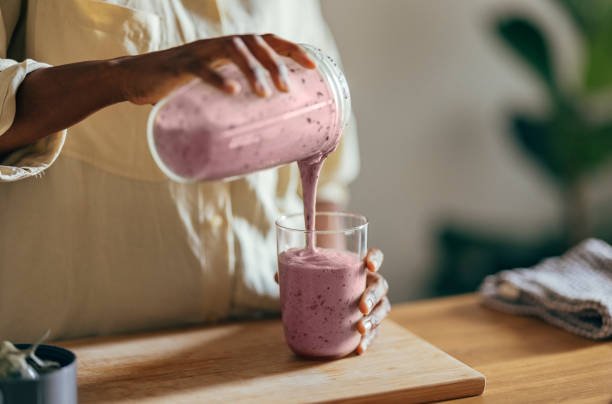
Watermelon is best enjoyed fresh: slice, cube, or ball the flesh for a quick snack. Add it to fruit salads, blend into smoothies, or use in chilled soups and drinks. Watermelon pairs well with feta cheese, mint, lime, and even spicy seasonings for savory salads. For a fun twist, freeze watermelon chunks for a healthy, cooling treat. Avoid eating the rind raw, but it can be pickled or stir-fried in some cuisines.
How to Store Watermelon for Maximum Freshness
- Store whole, uncut watermelon at room temperature for up to a week.
- Once cut, cover and refrigerate; eat within 3-4 days for best flavor.
- Keep cut pieces in an airtight container in the fridge.
- Avoid freezing raw watermelon chunks, as they lose texture, but frozen watermelon is great for smoothies.
- Always keep watermelon away from direct sunlight and heat.
Proper storage ensures your watermelon stays juicy and sweet.
When Is the Best Time to Eat Watermelon?
Watermelon is ideal for hot days, as a breakfast refresher, midday snack, or post-workout hydration boost. Many people enjoy it after meals as a light dessert. Because it’s hydrating and low in calories, you can enjoy watermelon at almost any time of day. If you’re sensitive to sugar, try pairing watermelon with a protein or healthy fat for balanced energy.
Does Eating Watermelon Cause Weight Gain or Support Weight Loss?
Watermelon is low in calories and fat, high in water and fiber—making it perfect for weight management. Its high water content fills you up, reducing the urge to overeat, while its natural sweetness satisfies cravings in a healthy way. Watermelon is considered a weight-loss-friendly fruit when eaten in moderation as part of a balanced diet.
Which Watermelon is Best for Diabetics?
Seedless or mini watermelons, as well as classic red or yellow varieties, are all suitable for diabetics when eaten in moderation. Watermelon does have a high glycemic index but a low glycemic load due to its high water content. Diabetics can safely enjoy a small serving (half to one cup) with a meal, but should monitor their blood sugar and consult a healthcare provider if unsure.
Which Diseases or Conditions Benefit from Eating Watermelon?
- Dehydration and heat exhaustion
- High blood pressure and heart disease risk
- Muscle soreness after exercise
- Skin and eye health issues
- Inflammation and oxidative stress
- Prostate health (due to lycopene)
Watermelon is a natural, tasty way to support many aspects of your health.
Watermelon Production: Leading Countries and Global Popularity
China is the world’s largest watermelon producer, followed by Turkey, India, Iran, and Brazil. Watermelon is cultivated in over 100 countries and is a staple summer fruit across Asia, Africa, Europe, and the Americas. Its popularity comes from its thirst-quenching qualities, affordability, and festive appeal—no summer picnic is complete without watermelon!
Watermelon Demand, Price Trends, and Market Insights
- Demand for watermelon peaks in summer, especially during heatwaves.
- Prices are highest at the start of the season and drop as supply increases.
- Weather, transport, and local harvests affect both availability and price.
- Seedless varieties often fetch a premium price.
- Global trade and export also influence market trends, especially off-season.
Knowing the season helps you get the juiciest watermelon at the best value.
Conclusion: Why Watermelon is a Must-Have in Your Diet
Watermelon is more than just a delicious, refreshing fruit—it’s also a hydrating, nutrient-rich superfood that supports your heart, skin, and overall health. Its versatility means you can enjoy it in countless ways, from simple snacks to creative recipes. Affordable, widely available, and beloved by all ages, watermelon is a summer staple you should enjoy as often as you can. Add watermelon to your diet for a daily dose of hydration, nutrition, and pure joy!