What is Crab? What is its Scientific Name?
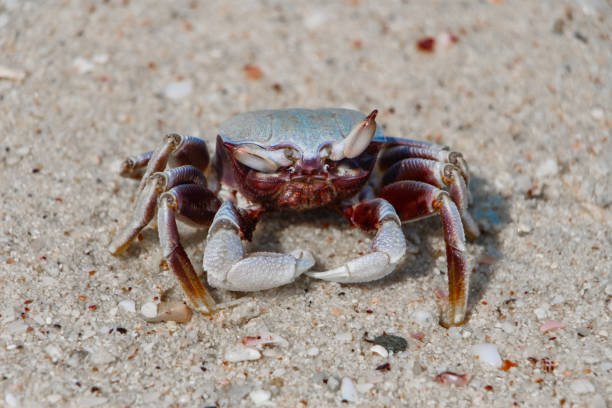
Crab is a popular shellfish found in oceans, freshwater, and on land around the world. It belongs to the crustacean family, and there are many species. Some of the most popular edible crabs include the Blue Crab (Callinectes sapidus), Dungeness Crab (Metacarcinus magister), Snow Crab (Chionoecetes opilio), and King Crab (Paralithodes camtschaticus).
History and Origin of Crab
Crab has been harvested and eaten by coastal communities since ancient times. It is a staple in many Asian, European, and American cuisines. Crabbing has evolved from traditional trapping to advanced aquaculture and sustainable fishing practices, making crab widely available worldwide.

Nutritional Benefits of 100 grams of Crab
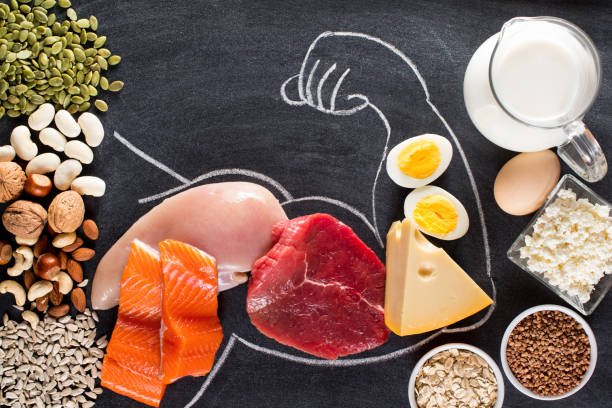
A 100-gram serving of crab offers a powerhouse of nutrients:
- Calories: About 87 kcal — low in calories
- Protein: 18-19 grams — high-quality, lean protein
- Omega-3 Fatty Acids: About 0.3-0.5 grams — supports heart and brain health
- Vitamins:
- Vitamin B12: Very high, supports nerves and red blood cells
- Folate, Niacin, B6: Aid metabolism and cell health
- Minerals:
- Selenium: Potent antioxidant
- Zinc: Immune system support
- Copper, Phosphorus, Magnesium: Support bone and blood health
- Low in Fat: Less than 1.5 grams per 100g
What Are the Health Benefits of Crab?
Crab is a healthy addition to your diet for several reasons:
- Boosts Immunity: Rich in zinc and selenium
- Supports Heart Health: Contains omega-3 fatty acids
- Builds Lean Muscle: Excellent protein source
- Strengthens Bones: High in phosphorus and copper
- Promotes Brain and Nerve Health: High in vitamin B12
- Low in Calories and Fat: Great for weight management
What Are the Different Types of Crab?
- Blue Crab: Popular in the USA, especially in Maryland
- Dungeness Crab: West coast of North America
- King Crab: Famous for large size and sweet meat
- Snow Crab: Long legs, delicate flavor
- Mud Crab, Stone Crab, Soft-Shell Crab: Popular in Asia and other regions
Where Are the Best Sources of Crab?
- Alaska, USA: King Crab and Snow Crab
- Chesapeake Bay, USA: Blue Crab
- Japan: Horsehair Crab
- Southeast Asia: Mud Crab and Flower Crab
- Europe: Brown Crab from the UK and Ireland
What Is the Price Range of Crab?
- Fresh Crab: $10-$40 per pound, depending on species and location
- Live Crab: Often higher, especially for King Crab
- Frozen/Processed Crab: Lower price, available year-round
How Should Crab Be Stored?
- Live Crab: Keep cool and moist, cook soon after purchase
- Cooked Crab: Refrigerate and eat within 2 days
- Frozen Crab: Can be kept for 3-6 months in airtight packaging
What Does Crab Taste Like?
Crab has a sweet, delicate, and slightly briny flavor with a tender, flaky, and juicy texture. Each species has its own distinct taste, but most are prized for their mild sweetness and succulent meat.
Is Crab the Most Nutritious Shellfish?
Crab stands out for its high protein, low fat, and rich vitamin B12 content. It’s one of the healthiest shellfish, but other shellfish like shrimp and lobster are also nutritious.
Is Fish Oil Made From Crab?
Fish oil supplements are usually made from oily fish like salmon, mackerel, or sardines, not from crab. However, crab contains beneficial omega-3s naturally.
How Does Frozen Crab Compare to Fresh?
Properly frozen crab retains most of its nutrients and flavor. While fresh crab is prized for taste, frozen crab is a convenient, healthy alternative.
Does Eating Crab Boost Disease Resistance?
Yes! Its high zinc and selenium content supports immunity, and omega-3s help reduce inflammation, aiding in disease resistance.
Which Country Produces the Most Crab?
China is the world’s top producer of crab, especially mud crab and freshwater crabs.
Which Country Consumes the Most Crab?
China, Japan, the USA, and South Korea are major crab consumers, with crab being a delicacy in many coastal regions.
Which Country Is the Largest Commercial Producer of Crab?
China dominates global crab aquaculture and wild catch.
Where Is Crab Most Popular to Eat?
Crab is popular worldwide—in American, Japanese, Chinese, Korean, Southeast Asian, and Mediterranean cuisines.
Conclusion
Crab is a delicious, versatile, and nutrient-rich shellfish that supplies high-quality protein, essential minerals, and beneficial omega-3s. Its sweet, delicate flavor and tender texture make it a favorite in kitchens around the world. Whether enjoyed freshly steamed, in hearty soups, or as part of gourmet dishes, crab is a healthy and luxurious seafood choice for any diet.