What is Arctic Char? What is its Scientific Name?
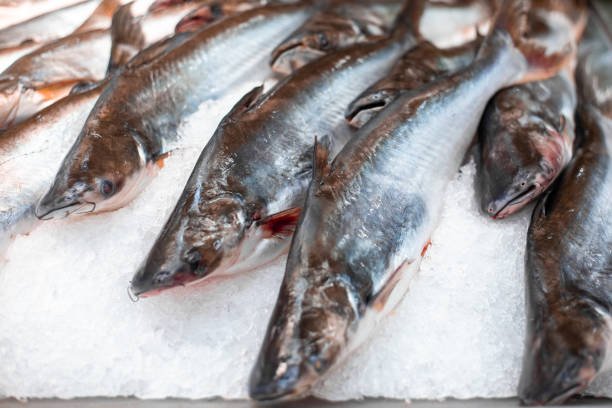
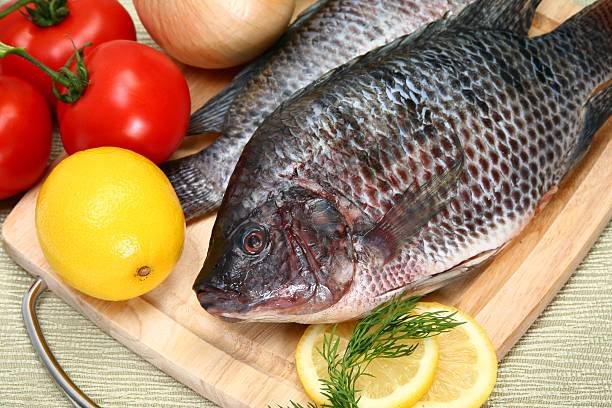
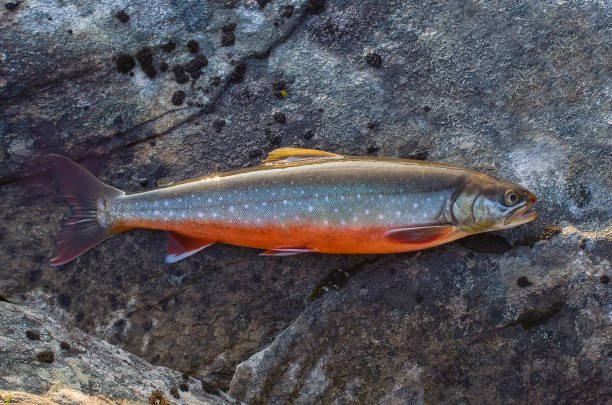
Arctic Char (Salvelinus alpinus) is a cold-water fish belonging to the salmon family. It is known for its tender, pinkish flesh and mild, delicate flavor. Native to Arctic and sub-Arctic regions, this fish is prized for its rich omega-3 content and versatility in culinary uses.
History and Origin of Arctic Char
Arctic Char has a long history in indigenous cultures of the Arctic and northern Europe, where it has been a vital food source for centuries. Due to its adaptability to cold environments and sustainable farming practices, Arctic Char has gained popularity worldwide as a healthy and eco-friendly seafood choice.

Nutritional Benefits of 100 grams of Arctic Char
A 100-gram serving of Arctic Char provides a nutritious profile:
- Calories: About 140 kcal — moderate calorie content with healthy fats.
- High-Quality Protein: 20-23 grams — supports muscle growth and tissue repair.
- Omega-3 Fatty Acids: Around 1-2 grams — promotes heart, brain, and joint health.
- Vitamins:
- Vitamin D: Essential for bone health and immune support.
- Vitamin B12: Supports nerve function and red blood cell formation.
- Niacin and B6: Aid in energy metabolism and brain health.
- Minerals:
- Selenium: Acts as an antioxidant.
- Phosphorus: Supports strong bones and teeth.
- Magnesium and Potassium: Help maintain nerve and muscle functions.
What Are the Health Benefits of Arctic Char?
Including Arctic Char in your diet can offer several health advantages:
- Supports Heart Health: Its omega-3s help reduce inflammation and improve cardiovascular function.
- Enhances Brain Function: Omega-3s are vital for cognitive health.
- Boosts Immune System: Thanks to vitamin D and B12.
- Promotes Healthy Skin & Joints: Due to healthy fats and nutrients.
- Low in Mercury & Contaminants: Making it safer for regular consumption.
What Are the Different Types of Arctic Char?
- Wild Arctic Char: Found in cold Arctic lakes and coastal waters.
- Farmed Arctic Char: Raised in sustainable aquaculture environments, especially in Norway, Iceland, and Canada.
Where Are the Best Sources of Arctic Char?
Top regions include:
- Norway: Known for high-quality, sustainably farmed Arctic Char.
- Iceland: Famous for its clean, cold waters and premium fish.
- Canada: Especially in the northern regions.
- United States: Increasing popularity in specialty markets.
What Is the Price Range of Arctic Char?
- Fresh Arctic Char: Usually costs between $15 to $25 per pound.
- Frozen Arctic Char: Slightly less expensive and widely available in supermarkets.
- Wild vs. Farmed: Farmed Arctic Char tends to be more affordable and consistently available.
How Should Arctic Char Be Stored?
- Fresh Arctic Char: Keep refrigerated at or below 4°C (39°F), best consumed within 1-2 days.
- Frozen Arctic Char: Store in airtight packaging and use within 6-8 months for best quality.
- Cooked Arctic Char: Refrigerate and consume within 2 days.
What Does Arctic Char Taste Like?
Arctic Char has a mild, slightly sweet flavor, similar to salmon but with a more delicate taste. Its tender, flaky texture makes it perfect for baking, grilling, poaching, or broiling.
Is Arctic Char the Most Nutritious Fish?
While not as oily as salmon, Arctic Char is still an excellent source of omega-3 fatty acids, high-quality protein, and essential vitamins, making it a nutritious choice.
Is Fish Oil Made From Arctic Char?
Fish oil is typically derived from oily fish like salmon, mackerel, and sardines. Arctic Char provides omega-3s but is not a primary source for fish oil supplements.
How Does Frozen Arctic Char Compare to Fresh?
Properly frozen Arctic Char retains most of its nutrients, flavor, and texture, making it a convenient and healthy alternative to fresh fish.
Does Eating Arctic Char Boost Disease Resistance?
Yes, thanks to its omega-3 fatty acids, vitamin D, and B12, Arctic Char can support immune health and reduce inflammation.
Which Country Produces the Most Arctic Char?
Norway and Iceland are leading producers, specializing in sustainable aquaculture of Arctic Char.
Which Country Consumes the Most Arctic Char?
Norway, Iceland, and Canada have high consumption rates, especially in health-conscious markets.
Which Country Is the Largest Commercial Producer of Arctic Char?
Norway is the top producer, known for its high-quality, sustainably farmed Arctic Char.
Where Is Arctic Char Most Popular to Eat?
Arctic Char is popular in Scandinavian, European, and North American cuisines, especially among health-conscious consumers.
Conclusion
Arctic Char is a nutritious, sustainable, and delicious fish offering high-quality protein and omega-3 fatty acids. Its mild flavor and tender texture make it ideal for various cooking styles, making it an excellent choice for healthy, flavorful meals. Its eco-friendly farming practices and versatility make Arctic Char a top seafood choice for those seeking health and sustainability.