Search
Close this search box.

Ridge Gourd: Low-Calorie & Naturally Hydrating

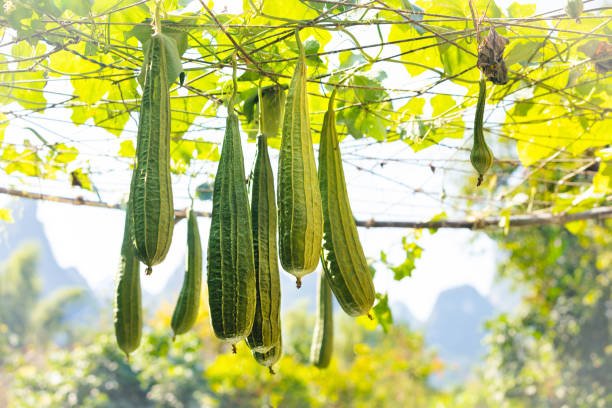
A fresh, green ridge gourd sliced open to reveal its white, watery interior with ridged skin.
Facebook
Twitter
LinkedIn

What is Ridge Gourd?
Ridge gourd, also known as tori or turai, is a long, ridged, green vegetable with a slightly bitter taste and a crunchy texture. It has a thick outer skin with a soft, watery inside that is rich in nutrients. Widely used in Indian, Chinese, and Southeast Asian cuisines, ridge gourd is valued for its health benefits and culinary versatility.

Where is Ridge Gourd Usually Grown?
Ridge gourd is cultivated mainly in tropical and subtropical regions. Major producers include India, China, Sri Lanka, and Southeast Asian countries. India is the largest producer, with extensive cultivation across many states.

History and Origin of Ridge Gourd
Ridge gourd originated over 2,000 years ago in India and China. It has been an essential part of traditional diets and medicine in these regions for centuries. Its ancient roots and widespread use highlight its importance in traditional health practices and regional cuisines.

Which Country’s Food Is It Most Popular In?
Ridge gourd is especially popular in Indian cuisine, where it is used in curries, stir-fries, and chutneys. It is also widely enjoyed in Chinese, Sri Lankan, and Southeast Asian dishes.

Nutritional Benefits of 100 grams of Ridge Gourd
A 100-gram serving of ridge gourd provides:

How Does Ridge Gourd Benefit Our Health and Nutrition?
Ridge gourd is hydrating and low in calories, supporting weight loss and hydration. Its high water and fiber content aid digestion and prevent constipation. The antioxidants support immune health, reduce inflammation, and promote healthy skin.

Ridge Gourd as a Defender Against Diseases
Research indicates that ridge gourd’s antioxidants and fiber help lower cholesterol, regulate blood sugar, and prevent age-related diseases like cardiovascular problems and diabetes. Its detoxifying properties support liver and kidney health.

Different Types and Varieties of Ridge Gourd
There are several varieties, including long, slender, and ribbed types with varying shades of green. Some have a milder taste, while others are more bitter. The size and shape may differ depending on the region, but the nutritional profile remains similar.

How is Ridge Gourd Cultivated and Harvested?
Ridge gourd is grown from seeds in warm, well-drained soil with ample sunlight. It requires support for climbing and regular watering. Harvesting occurs when the gourd is fully grown, firm, and has a deep green color. Proper harvesting ensures better flavor and shelf life.

Why is Ridge Gourd Considered a Superfood?
Ridge gourd is called a superfood because it is loaded with water, fiber, antioxidants, and essential vitamins. Its ability to promote hydration, aid digestion, support weight loss, and detoxify the body makes it an excellent addition to a healthy diet.

Which Country Produces the Most Ridge Gourd?
India leads global production, followed by China, Sri Lanka, and Southeast Asian countries. These regions have favorable climates and large-scale farming systems supporting extensive cultivation.

Recent Research and New Discoveries about Ridge Gourd
Recent studies focus on its role in managing blood sugar, reducing cholesterol, and supporting liver health. Researchers are exploring its use in traditional medicine and functional foods for overall wellness.

How Can We Incorporate Ridge Gourd into Our Meals?
Ridge gourd can be enjoyed in many ways:

  • In curries and stir-fries
  • Made into chutneys and pickles
  • Boiled or steamed as a side dish
  • Used in soups and salads
  • Prepared as fritters or stuffed dishes

Is Ridge Gourd Safe for Pregnant Women and Children?
Yes, ridge gourd is safe and highly nutritious for pregnant women and children. Its hydrating and detoxifying properties support overall health. Proper cooking and moderation are recommended to avoid any digestive discomfort.

Does Ridge Gourd Help with Weight Loss and Digestion?
Absolutely. Its high water and fiber content promote fullness, aid digestion, and support weight management. It acts as a natural detoxifier and helps in maintaining a healthy gut.

Are There Any Downsides to Eating Ridge Gourd?
In some cases, unripe or raw ridge gourd may cause mild stomach upset or bloating. Excessive consumption might lead to digestive issues. Always ensure thorough cooking and moderation.

Conclusion
Ridge gourd is a nutritious, hydrating, and versatile superfood that offers numerous health benefits. Its ability to support weight loss, detoxification, digestion, and overall wellness makes it a valuable addition to your diet. Incorporate ridge gourd into your meals and enjoy its health-promoting properties and subtle flavor.
Jaggery & Health: Is It Better Than Sugar?

A block of jaggery (gud) with a knife on a rustic wooden surface.
Facebook
Twitter
LinkedIn

What Is Jaggery?

Jaggery, also known as “Gur” in many regions, is a traditional natural sweetener made by boiling and concentrating sugarcane juice or palm sap. It is unrefined, retaining natural minerals and nutrients, and has a rich, caramel-like flavor. Jaggery is widely used in various culinary dishes, desserts, and medicinal preparations due to its wholesome qualities.

What Are the Ingredients of Jaggery?

The main ingredients of Jaggery are pure sugarcane juice or palm sap, which is boiled down without refining or chemical processing. It contains natural sugars along with trace minerals like iron, calcium, magnesium, and potassium, which are preserved during the traditional processing.

Where Can You Find Jaggery?

Jaggery is commonly available in grocery stores, markets, organic shops, and online platforms worldwide. It is sold in blocks, cubes, or powders, and is often packaged in eco-friendly wrappers or containers. It is especially popular in countries like India, Bangladesh, Sri Lanka, and other tropical regions.

What Are the Uses of Jaggery?

Jaggery has a wide array of applications:

    • Culinary: Used in sweets, desserts, beverages like tea and health drinks, and savory dishes.
    • Medicinal: Consumed to boost immunity, improve digestion, and detoxify the body.
    • Health Remedies: Used in cough syrups, herbal teas, and traditional medicines.
    • Household: Acts as a natural cleaner and is sometimes used in skincare routines.

How Does Jaggery Work?

Jaggery works by providing natural sugars that serve as quick energy sources. Its mineral content supports various bodily functions, including blood purification, digestion, and boosting immunity. When consumed, it helps stimulate digestive enzymes and aids in detoxification processes, thanks to its rich nutrient profile.

How Healthy Is Jaggery?

Jaggery is considered healthier than refined sugar because it retains natural minerals and nutrients. It provides essential minerals like iron, which can help combat anemia, and supports digestion and detoxification. However, it is still a form of sugar and should be consumed in moderation to avoid health issues like weight gain and blood sugar spikes.

What Happens if You Use Too Little or Too Much Jaggery?

Using too little Jaggery may result in missing out on its nutritional benefits and natural sweetness. Overuse can lead to excessive calorie intake, increased blood sugar levels, and potential weight gain. Moderation is key to enjoying its benefits without adverse effects.

What Causes a Deficiency of Jaggery?

A deficiency in Jaggery itself is rare; more often, people may have low iron or mineral levels due to poor diet. If someone avoids all natural sweeteners or consumes excessive refined sugar, they might miss out on the nutritional benefits Jaggery offers.

What Are the Signs of Too Little or Too Much Jaggery?

Low intake may cause symptoms of mineral deficiency like fatigue, weakness, or anemia. Overconsumption can lead to high blood sugar, weight gain, and dental problems. It’s important to balance its intake with overall dietary habits.

Is Jaggery a Natural Ingredient?

Yes, Jaggery is a natural, minimally processed sweetener made from sugarcane juice or palm sap. It is unrefined and retains many of its natural minerals, making it a wholesome addition to a healthy diet.

Does Jaggery Help in Weight Loss?

No, Jaggery does not directly help in weight loss. Despite its health benefits, it is still a sugar and should be used in moderation. Excessive intake can contribute to weight gain.

Conclusion

Jaggery is a wholesome, natural sweetener packed with essential minerals and nutrients. Its traditional use in cooking and medicine makes it a valuable addition to a balanced diet. While it offers health benefits over refined sugar, moderation is vital to maximize its advantages and maintain overall health.

FAQs:(Frequently Asked Questions)

Is Jaggery Harmful for Diabetes?

Consuming Jaggery can raise blood sugar levels, so it is not recommended for diabetics in large amounts. However, in small, controlled quantities, it may be used cautiously under medical supervision.

Yes, alternatives include honey, maple syrup, coconut sugar, and artificial sweeteners. Each alternative has different health profiles and suitability depending on dietary needs.

What is Ridge Gourd?
Ridge gourd, also known as tori or turai, is a long, ridged, green vegetable with a slightly bitter taste and a crunchy texture. It has a thick outer skin with a soft, watery inside that is rich in nutrients. Widely used in Indian, Chinese, and Southeast Asian cuisines, ridge gourd is valued for its health benefits and culinary versatility.

Where is Ridge Gourd Usually Grown?
Ridge gourd is cultivated mainly in tropical and subtropical regions. Major producers include India, China, Sri Lanka, and Southeast Asian countries. India is the largest producer, with extensive cultivation across many states.

History and Origin of Ridge Gourd
Ridge gourd originated over 2,000 years ago in India and China. It has been an essential part of traditional diets and medicine in these regions for centuries. Its ancient roots and widespread use highlight its importance in traditional health practices and regional cuisines.

Which Country’s Food Is It Most Popular In?
Ridge gourd is especially popular in Indian cuisine, where it is used in curries, stir-fries, and chutneys. It is also widely enjoyed in Chinese, Sri Lankan, and Southeast Asian dishes.

Nutritional Benefits of 100 grams of Ridge Gourd
A 100-gram serving of ridge gourd provides:

  • Calories: About 20 kcal
  • Carbohydrates: 4 grams
  • Protein: 1 gram
  • Dietary fiber: 0.9 grams
  • Vitamins: Vitamin C, B vitamins, and Vitamin A
  • Minerals: Potassium, magnesium, and calcium
    It is low in calories and high in water, making it ideal for hydration and weight management.

How Does Ridge Gourd Benefit Our Health and Nutrition?
Ridge gourd is hydrating and low in calories, supporting weight loss and hydration. Its high water and fiber content aid digestion and prevent constipation. The antioxidants support immune health, reduce inflammation, and promote healthy skin.

Ridge Gourd as a Defender Against Diseases
Research indicates that ridge gourd’s antioxidants and fiber help lower cholesterol, regulate blood sugar, and prevent age-related diseases like cardiovascular problems and diabetes. Its detoxifying properties support liver and kidney health.

Different Types and Varieties of Ridge Gourd
There are several varieties, including long, slender, and ribbed types with varying shades of green. Some have a milder taste, while others are more bitter. The size and shape may differ depending on the region, but the nutritional profile remains similar.

How is Ridge Gourd Cultivated and Harvested?
Ridge gourd is grown from seeds in warm, well-drained soil with ample sunlight. It requires support for climbing and regular watering. Harvesting occurs when the gourd is fully grown, firm, and has a deep green color. Proper harvesting ensures better flavor and shelf life.

Why is Ridge Gourd Considered a Superfood?
Ridge gourd is called a superfood because it is loaded with water, fiber, antioxidants, and essential vitamins. Its ability to promote hydration, aid digestion, support weight loss, and detoxify the body makes it an excellent addition to a healthy diet.

Which Country Produces the Most Ridge Gourd?
India leads global production, followed by China, Sri Lanka, and Southeast Asian countries. These regions have favorable climates and large-scale farming systems supporting extensive cultivation.

Recent Research and New Discoveries about Ridge Gourd
Recent studies focus on its role in managing blood sugar, reducing cholesterol, and supporting liver health. Researchers are exploring its use in traditional medicine and functional foods for overall wellness.

How Can We Incorporate Ridge Gourd into Our Meals?
Ridge gourd can be enjoyed in many ways:

  • In curries and stir-fries
  • Made into chutneys and pickles
  • Boiled or steamed as a side dish
  • Used in soups and salads
  • Prepared as fritters or stuffed dishes

Is Ridge Gourd Safe for Pregnant Women and Children?
Yes, ridge gourd is safe and highly nutritious for pregnant women and children. Its hydrating and detoxifying properties support overall health. Proper cooking and moderation are recommended to avoid any digestive discomfort.

Does Ridge Gourd Help with Weight Loss and Digestion?
Absolutely. Its high water and fiber content promote fullness, aid digestion, and support weight management. It acts as a natural detoxifier and helps in maintaining a healthy gut.

Are There Any Downsides to Eating Ridge Gourd?
In some cases, unripe or raw ridge gourd may cause mild stomach upset or bloating. Excessive consumption might lead to digestive issues. Always ensure thorough cooking and moderation.

Conclusion
Ridge gourd is a nutritious, hydrating, and versatile superfood that offers numerous health benefits. Its ability to support weight loss, detoxification, digestion, and overall wellness makes it a valuable addition to your diet. Incorporate ridge gourd into your meals and enjoy its health-promoting properties and subtle flavor.
Leave a Comment

Your email address will not be published. Required fields are marked *

Scroll to Top