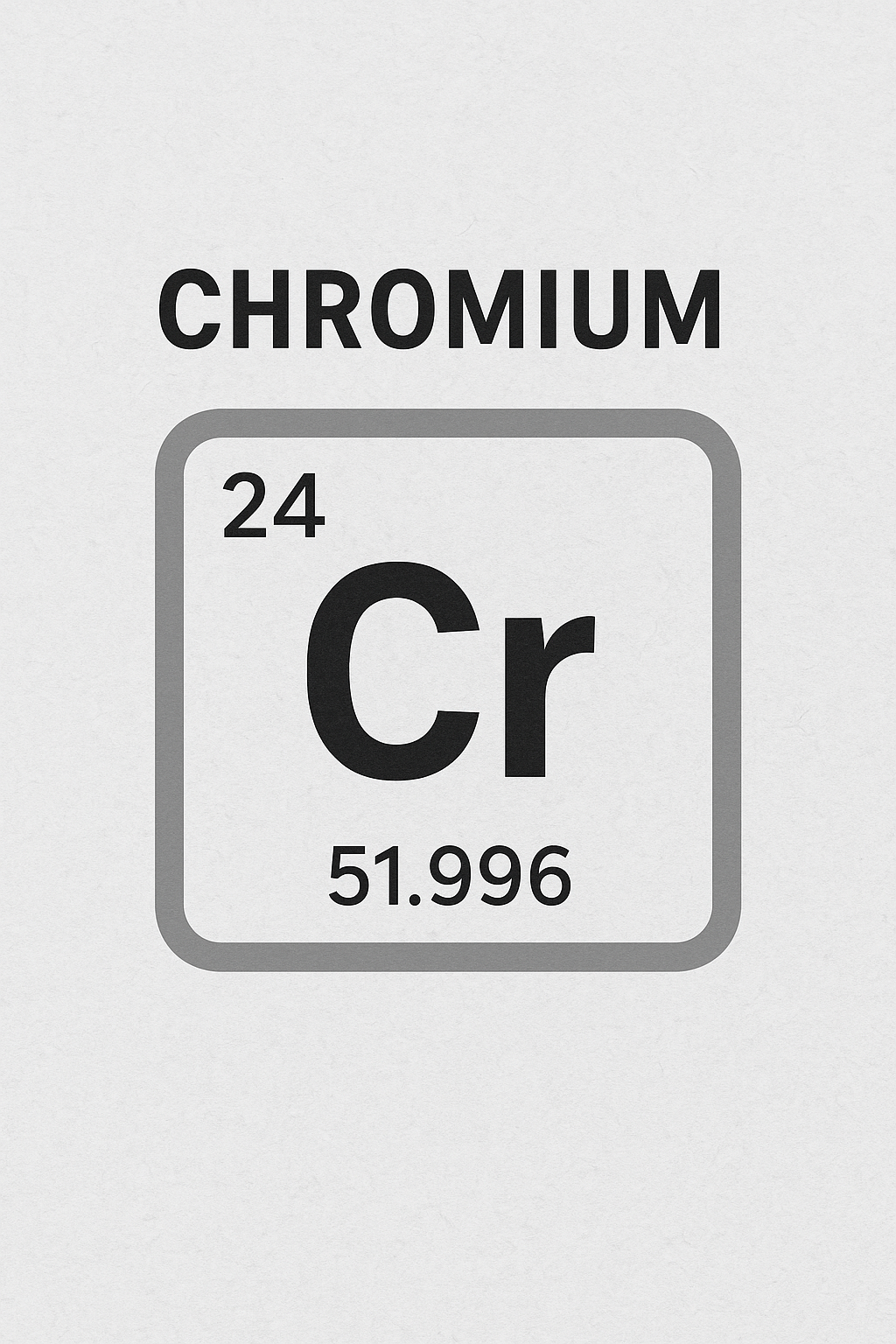
How Does Chromium Influence Different Body Systems and How?
Chromium is a trace mineral that primarily impacts your body’s metabolic processes, especially those related to blood sugar regulation. It enhances the action of insulin, the hormone responsible for controlling blood glucose levels. By improving insulin sensitivity, chromium helps your body effectively utilize glucose for energy, which is vital for maintaining stable blood sugar levels. Apart from its role in metabolism, chromium also supports muscle growth, fat metabolism, and overall energy production. Its influence extends to the nervous system by supporting cognitive functions and mood regulation, making it an essential mineral for overall well-being.
Which Foods Naturally Contain Chromium?
Chromium is found in various foods, especially those rich in whole grains, meats, and vegetables. Whole grains like oats, brown rice, and whole wheat bread are excellent sources. Vegetables such as broccoli, spinach, and potatoes also contain moderate amounts of chromium. Additionally, lean meats like beef and chicken provide good levels of this mineral. Fruits like apples and bananas contain small amounts. Another significant source is brewer’s yeast, often used as a supplement. Including a balanced diet with these foods helps ensure adequate chromium intake.
What Changes Occur in the Body Due to Chromium Deficiency?
A lack of chromium can lead to impaired glucose metabolism, resulting in symptoms similar to insulin resistance or type 2 diabetes. People may experience increased blood sugar levels, fatigue, and weight gain. Over time, chromium deficiency can contribute to the development of metabolic syndrome, which includes high blood pressure, obesity, and abnormal cholesterol levels. Some individuals may also suffer from mood swings, depression, or decreased muscle mass. In pregnant women, deficiency might affect fetal growth and development, highlighting its importance for overall health.
What Are the Risks of Excess Chromium Intake?
While chromium is essential, consuming it in excessive amounts can cause adverse effects. High doses of chromium supplements, especially those in the form of chromium picolinate, may lead to skin rashes, headaches, dizziness, and gastrointestinal discomfort like nausea and diarrhea. In rare cases, excessive chromium intake can cause kidney or liver damage. Long-term overconsumption might also lead to allergic reactions or toxicity. Therefore, it’s crucial to stick to recommended daily doses and consult healthcare professionals before taking supplements.
Which Parts of the Body Need Chromium the Most?
Chromium primarily benefits the pancreas, where insulin is produced, and the muscle tissue, where it helps in glucose uptake and energy production. It also plays a vital role in the nervous system, supporting cognitive functions and mood regulation. The liver and adipose tissue (fat stores) also utilize chromium to regulate metabolism and fat storage. Overall, these parts rely heavily on chromium for maintaining energy balance and metabolic health.
Why Is Chromium Essential for the Body?
Chromium is crucial because it enhances insulin’s effectiveness, helping regulate blood sugar levels and prevent insulin resistance. It supports proper carbohydrate, fat, and protein metabolism, thereby aiding in weight management and muscle development. Additionally, chromium contributes to maintaining healthy cholesterol levels and reducing the risk of cardiovascular diseases. Its role in supporting mental health and mood stability further emphasizes its importance. Without adequate chromium, your body’s metabolic processes can become inefficient, leading to various health problems.
How Does Age Affect the Body’s Chromium Requirements?
Children and adolescents need sufficient chromium for growth, development, and proper metabolic function. Adults require chromium to maintain energy levels and metabolic health. Pregnant and breastfeeding women need higher amounts to support fetal growth and milk production. Older adults may need to pay extra attention to their chromium intake because aging can impair mineral absorption, increasing the risk of deficiency. Ensuring age-appropriate intake helps maintain optimal health, energy, and metabolic balance at every stage of life.
What Happens If Your Diet Has Too Little or Too Much Chromium?
Insufficient chromium intake can cause problems like impaired glucose tolerance, increased blood sugar levels, weight gain, and increased risk of developing type 2 diabetes. Over time, it can also contribute to metabolic syndrome and cardiovascular issues. Conversely, excessive chromium intake, especially from supplements, can lead to skin rashes, headaches, and gastrointestinal issues. In extreme cases, it may cause kidney or liver damage and allergic reactions. Maintaining a balanced intake through diet and medical advice is key to avoiding these problems.
How Does Chromium Interact with Other Foods and Medications?
Chromium absorption and effectiveness can be influenced by certain foods and medications. For example, high doses of vitamin C can enhance chromium absorption, while excessive intake of calcium or iron supplements may interfere with its uptake. Some medications like insulin or anti-diabetic drugs may interact with chromium, potentially enhancing or diminishing its effects. It’s important to consult a healthcare professional before starting chromium supplements, especially if you are on medication or have existing health conditions, to avoid adverse interactions.
Why Is Monitoring Chromium Levels Important in Medical Diagnosis?
Monitoring chromium levels helps doctors identify deficiencies or toxicities that could affect metabolic health. Blood or urine tests can reveal whether your intake is adequate or excessive. For those with diabetes or metabolic syndrome, maintaining optimal chromium levels can improve insulin sensitivity and blood sugar control. In cases of suspected toxicity, reducing supplementation or adjusting diet is necessary. Regular monitoring ensures safe and effective management of chromium’s role in your health, supporting overall wellness.