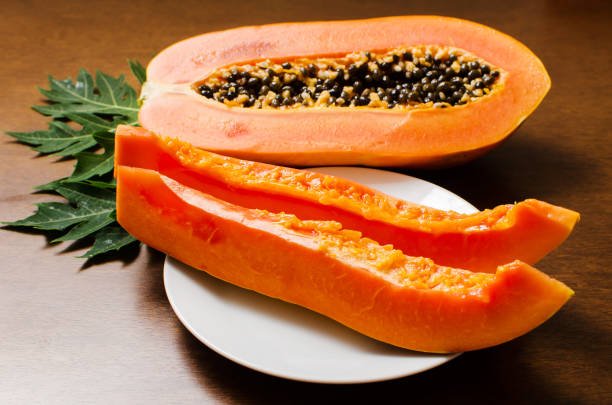
What is Papaya? Scientific Name and Historical Origin
Papaya, scientifically known as Carica papaya, is believed to have originated in the tropical regions of Central America and southern Mexico. This fast-growing, herbaceous plant produces large, melon-like fruits that have been cultivated and enjoyed for centuries. Spanish and Portuguese explorers helped spread papaya seeds throughout the tropical world, and today it is grown in Asia, Africa, the Caribbean, and beyond. Papaya’s journey from ancient civilizations to global popularity is a testament to its irresistible taste and impressive health benefits.
How Many Types of Papaya Are There?
There are several popular varieties of papaya enjoyed around the world:
- Solo Papaya: Small to medium, pear-shaped, sweet, and often seedless; perfect for single servings.
- Red Lady Papaya: Popular in many tropical countries, known for its reddish-orange flesh and high yield.
- Maradol Papaya: Large, oblong, commonly grown in Mexico and Central America.
- Sunrise & Sunset Papaya: Hawaiian types, sweet, with deep orange-red flesh.
- Mountain Papaya: Grown at higher altitudes, smaller and firmer, often used in cooking.
Each variety offers a unique flavor, size, and texture, so you can enjoy papaya in many delicious ways.

Papaya Nutrition Facts: All Nutrients in 100 Grams
In every 100 grams of papaya, you get:
- Calories: 43 kcal
- Water: 88%
- Protein: 0.5 g
- Carbohydrates: 10.8 g
- Sugar: 7.8 g
- Dietary Fiber: 1.7 g
- Fat: 0.3 g
- Vitamin C: 60.9 mg (over 100% of daily needs)
- Potassium: 182 mg
- Calcium: 20 mg
- Magnesium: 21 mg
- Vitamin A, Folate, Vitamin E
- Antioxidants: Papain enzyme, lycopene, carotenoids
This nutrient profile makes papaya a fantastic choice for anyone looking to boost their health naturally.
Why Is Eating Papaya Good for You?
Papaya is packed with vitamins, minerals, and unique plant compounds that give your body a genuine health advantage. Its high vitamin C content strengthens your immune system, while vitamin A and carotenoids protect your eyesight and skin. Papaya’s powerful enzyme, papain, supports digestion, making it easier for your body to break down proteins and absorb nutrients. The fruit’s fiber content helps keep your digestive tract healthy and regular. Papaya is also rich in antioxidants like lycopene, which help neutralize harmful free radicals and reduce inflammation. Enjoying papaya regularly can help you maintain a stronger immune system, healthier skin, and a happy gut.
7 Proven Health Benefits of Papaya
- Boosts your immune system with vitamin C
- Promotes healthy, glowing skin with vitamin A and antioxidants
- Supports heart health by lowering cholesterol
- Improves digestion with fiber and papain enzyme
- Helps in weight loss due to low calories and high water content
- Reduces inflammation throughout the body
- May protect against certain cancers thanks to lycopene and other antioxidants
How Much Papaya Should You Eat Daily?
For most adults, eating one cup (about 140-150 grams) of fresh papaya daily is ideal. This serving covers your daily vitamin C needs, provides ample fiber, and gives you a good dose of other essential nutrients. It’s safe to eat papaya daily, but balance is key—if you have allergies or are pregnant, consult a doctor before consuming large amounts. Children can enjoy smaller portions. Papaya fits perfectly into a variety of meals, from breakfast bowls to salads and desserts.
The Best Way to Eat Papaya
The easiest and healthiest way to enjoy papaya is to eat it fresh and ripe. Simply peel, remove the seeds, and cut into cubes or slices. Add papaya to fruit salads, blend it into smoothies, top yogurt or cereal, or enjoy on its own. You can also use green (unripe) papaya in savory salads or stews, especially in Asian cuisine. The black seeds are edible and have a peppery flavor, but are usually discarded. For the best nutrition, always choose ripe, brightly colored papayas with unblemished skin.
How to Store Papaya for Maximum Freshness
- Store unripe papayas at room temperature until they soften and turn yellow-orange.
- Once ripe, keep papayas in the refrigerator; they will stay fresh for up to a week.
- Cut papaya should be refrigerated in an airtight container and eaten within two days.
- Avoid wrapping papayas in plastic at room temperature; let them breathe for better ripening.
Proper storage ensures your papaya stays sweet, juicy, and full of nutrients.
When Is the Best Time to Eat Papaya?
Papaya is a fantastic fruit for any time of day. Many people enjoy papaya in the morning for a refreshing, digestion-boosting start. It’s also perfect as a midday snack, after meals to aid digestion, or as a light dessert. Athletes and fitness enthusiasts often choose papaya after exercise for hydration and quick recovery. Listen to your body—anytime you crave something sweet, papaya is a healthy, satisfying option.
Does Eating Papaya Cause Weight Gain or Support Weight Loss?
Papaya is one of the best fruits for weight management. It is low in calories and high in water and fiber, which help you feel full longer and reduce the urge to snack on unhealthy foods. The enzymes in papaya support healthy digestion and metabolism, which can further aid weight loss efforts. With its natural sweetness, papaya can satisfy sugar cravings without adding extra calories. For best results, enjoy papaya as part of a balanced diet and avoid sugary papaya desserts or processed products.
Which Papaya is Best for Diabetics?
All fresh papayas have a low to moderate glycemic index and can be safely included in a diabetic-friendly diet, when eaten in moderation. The fiber in papaya helps slow the absorption of sugar, preventing sharp blood sugar spikes. Solo, Red Lady, and Hawaiian varieties are all suitable for diabetics. Always choose whole, fresh papaya over papaya juice or processed snacks, as the latter may have added sugars. For diabetics, a small serving (half to one cup) per meal is usually safe, but check your blood sugar response and consult your doctor for individual advice.
Which Diseases or Conditions Benefit from Eating Papaya?
- Strengthens immunity against infections
- Supports digestive health and reduces constipation
- Lowers cholesterol, supporting heart health
- Improves eye and skin health with vitamin A
- Helps in faster wound healing
- Reduces inflammation and supports joint health
- May lower risk of certain cancers
Papaya is a natural way to promote overall wellness and prevent common health issues.
Papaya Production: Leading Countries and Global Popularity
India is the world’s largest producer of papaya, followed by Indonesia, Nigeria, Brazil, and the Philippines. Papaya is grown in more than 60 countries across tropical and subtropical regions. Its popularity spreads from Asia and Latin America to Africa and the Caribbean, where it features in traditional dishes and daily diets. Papaya farming supports millions of livelihoods and is a vital crop for many small farmers globally.
Papaya Demand, Price Trends, and Market Insights
- Papaya demand peaks during summer and early autumn, thanks to its cooling properties and abundance.
- Prices are usually highest at the beginning of the season, dropping when harvests are at their peak.
- Weather, disease, and transportation can impact both availability and price.
- Exports and imports play a role in price trends, especially in countries without local production.
- Fresh papaya is always more affordable and nutritious than processed products.
Being aware of the season helps you get the tastiest papayas at the best price.
Conclusion: Why Papaya is a Must-Have in Your Diet
Papaya is more than just a delicious tropical fruit—it’s a nutritional treasure chest that supports your immune system, digestion, skin, and heart health. Its vibrant color and distinctive taste make every meal more enjoyable, while its health benefits help you look and feel your best. Easy to prepare, available year-round, and affordable, papaya deserves a regular spot on your plate. Add papaya to your daily routine and enjoy the natural boost it brings to your health and happiness!