What is Cabbage?
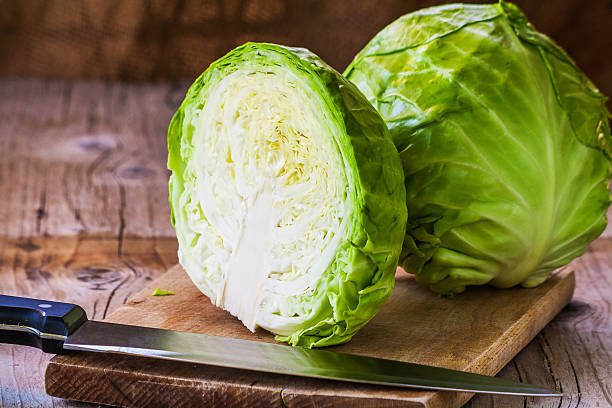
Cabbage is a leafy, cruciferous vegetable belonging to the Brassicaceae family, closely related to broccoli, cauliflower, and kale. It features tightly packed layers of green, red, or white leaves, forming a dense head. Known for its mild flavor and crunchy texture, cabbage is a staple in many cuisines worldwide.
Where is Cabbage Usually Grown?
Cabbage is cultivated extensively across the globe, thriving best in cool climates. Major producers include China, India, Russia, the United States, and South Korea. China is the largest producer, supplying a significant portion of the world’s cabbage.
History and Origin of Cabbage
Cabbage’s origins date back over 4,000 years to ancient Europe and Asia. It was highly valued in ancient Greece and Rome for its medicinal and nutritional properties. Over centuries, different varieties emerged, making cabbage a versatile crop in traditional and modern agriculture.
Nutritional Benefits of 100 grams of Cabbage
A 100-gram serving of cabbage provides:
This makes cabbage a low-calorie, nutrient-rich vegetable perfect for health maintenance.
Health and Nutritional Benefits of Cabbage
Cabbage is a powerhouse of health benefits. It supports digestion, boosts immunity, reduces inflammation, and promotes healthy skin. Its high antioxidant content helps fight free radicals, lowering the risk of chronic diseases such as cancer and heart disease. Regular consumption can aid in weight management due to its low calorie and high fiber content.
Cabbage as a Defender Against Diseases
Research indicates that compounds in cabbage, such as glucosinolates and sulforaphane, have anti-cancer properties. They help detoxify the body and inhibit cancer cell growth, especially in the stomach, colon, and breast. Its anti-inflammatory effects also support joint health and reduce the risk of cardiovascular diseases.
Types and Varieties of Cabbage
There are several popular varieties:
- Green cabbage (the most common)
- Red or purple cabbage, rich in anthocyanins (powerful antioxidants)
- Savoy cabbage, with curly, crinkled leaves and a milder flavor
Each type offers unique flavors, textures, and nutritional benefits suitable for salads, cooking, and pickling.
How is Cabbage Cultivated and Harvested?
Cabbage is grown from seeds in well-drained, fertile soil. It prefers cool weather and ample water. Farmers typically plant in early spring or late summer. The heads are harvested when they are firm and dense, usually 3 to 4 months after planting. Proper harvesting ensures maximum freshness and nutrient retention.
Why is Cabbage Considered a Superfood?
Cabbage is called a superfood because it is rich in vitamins, minerals, fiber, and antioxidants while being low in calories. Its ability to improve digestion, support detoxification, and reduce inflammation makes it an essential part of a healthy diet.
Which Country Produces the Most Cabbage?
China leads global cabbage production, followed by India, Russia, and South Korea. These countries have favorable climates and large-scale farming systems that support extensive cultivation.
Recent Research and New Discoveries about Cabbage
Recent studies reveal that cabbage’s bioactive compounds can help prevent certain types of cancers, support brain health, and reduce inflammation. Researchers are exploring its potential in plant-based diets and sustainable agriculture practices.
How to Incorporate Cabbage into Your Diet
Cabbage can be enjoyed in many ways:
- Raw in salads and coleslaws
- Steamed or boiled as a side dish
- Stir-fried with spices and vegetables
- Fermented to make sauerkraut or kimchi
- Used as a filling for wraps or rolls
Its mild flavor and crunchy texture make it adaptable to various recipes.
Is Cabbage Safe for Pregnant Women and Children?
Yes, cabbage is safe and highly nutritious for pregnant women and children. Its high vitamin C and folate content support fetal development and immune health. However, individuals with thyroid issues should consume it in moderation because of goitrogens.
Does Cabbage Help with Weight Loss and Digestion?
Absolutely. Cabbage’s low-calorie, high-fiber profile makes it ideal for weight management. Its fiber promotes healthy digestion, prevents constipation, and supports gut health.
Potential Downsides of Cabbage
Some individuals may experience bloating, gas, or indigestion after eating cabbage due to its raffinose content and fiber. People with thyroid problems should consume it moderately because of goitrogens. Overconsumption can lead to digestive discomfort.
Conclusion
Cabbage is undeniably a superfood that offers numerous health benefits, including disease prevention, improved digestion, and weight management. Its versatility in cooking and rich nutrient profile make it a valuable addition to any diet. Incorporating cabbage into your meals can promote better health and support sustainable food choices.