Search
Close this search box.

Saccharin: The Truth About Its Safety & Uses

A selection of sugar-free candies and diet drinks highlighting the use of Saccharin as a sweetener.
Facebook
Twitter
LinkedIn

What Is Saccharin and Why Is It Important or Harmful to the Body?

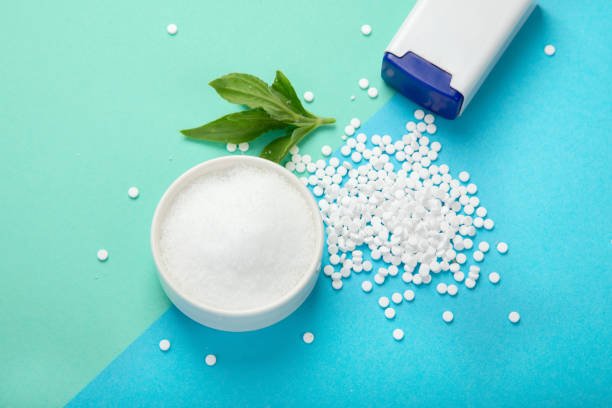
Saccharin is a synthetic sweetener that is many times sweeter than sugar, often used as a low-calorie alternative in various food and beverage products. It was discovered in the late 19th century and has been widely used for decades. Saccharin is important because it provides sweetness without adding calories, making it popular among diabetics and weight-conscious individuals. However, concerns about its safety have existed, as some studies in the past linked high consumption to health risks like bladder cancer. Today, regulatory agencies such as the FDA consider Saccharin safe for general use within recommended limits, but moderation remains key to avoid potential adverse effects.

Which Foods or Beverages Contain Saccharin?

Saccharin is commonly found in sugar-free or diet products. These include diet sodas, sugar-free chewing gums, candies, baked goods, and even some medications and vitamin supplements. It is often used in products labeled “sugar-free” or “low-calorie” to enhance sweetness without the calorie content of sugar. Many health-conscious consumers prefer Saccharin because it allows them to enjoy sweet flavors without affecting blood sugar levels or calorie intake.

What Problems Can Arise from a Deficiency of Saccharin?

Since Saccharin is a sweetener and not a nutrient, a deficiency in Saccharin itself does not cause health problems. Instead, the absence of artificial sweeteners like Saccharin might lead to increased consumption of sugar, which can contribute to obesity, diabetes, and dental issues. The real concern lies in over-reliance on artificial sweeteners rather than deficiency.

Are There Any Harms from Excessive Consumption of Saccharin?

While Saccharin is approved for use, excessive consumption can lead to potential health risks. High intake has historically been linked to bladder cancer in some animal studies, although human studies have not conclusively proven this risk. Some individuals may experience allergic reactions, headaches, or gastrointestinal discomfort from high doses. Overuse may also lead to a preference for intensely sweet foods, potentially impacting natural taste preferences and leading to overeating.

Which Parts of the Body Are Most Affected by Saccharin?

Saccharin primarily affects the urinary system, particularly the bladder, since some studies indicated the possibility of bladder tumors in animal models at high doses. It also impacts taste receptors, as it provides intense sweetness. For most people, the digestive system is affected minimally, but sensitive individuals may experience headaches or allergic reactions. Overall, moderation helps minimize any potential negative effects on these parts.

How Much Saccharin Is Safe for Different Age Groups?

Regulatory agencies have set acceptable daily intake (ADI) levels for Saccharin, generally around 5 mg per kilogram of body weight. Children, adults, and seniors should stay within these limits. For children, lower doses are advisable, and pregnant or breastfeeding women should consult healthcare providers before using products containing Saccharin. The key is to consume Saccharin as part of a balanced diet and not exceed the recommended limits to ensure safety across all age groups.

What Are the Effects of Consuming Too Little or Too Much Saccharin?

Consuming too little Saccharin might mean missing out on a calorie-free sweetener option, leading people to rely more on sugar, increasing caloric intake and associated health risks. Consuming too much, however, can increase the potential for adverse effects like allergic reactions, headaches, or gastrointestinal issues. Over-reliance on artificial sweeteners might also affect taste preferences, leading to a preference for sweeter foods and potential disruption of natural sweetness perception.

Are Saccharin Supplements Safe and Effective?

Saccharin is widely regarded as safe when used within the recommended limits. It is effective in providing a sweet taste without calories or affecting blood sugar levels, making it popular among diabetics and weight watchers. However, individuals with allergies or sensitivities should monitor their reactions. Long-term consumption at approved levels is considered safe by regulatory authorities, but ongoing research continues to monitor its safety profile.

Does Saccharin Interact with Other Nutrients or Substances?

Saccharin generally does not have significant interactions with most nutrients or medications. However, since it is a non-nutritive sweetener, excessive use might reduce the intake of natural sugars and impact taste preferences. There is also some concern that high consumption could interfere with the absorption of certain vitamins, but evidence is limited. Always consult healthcare providers when combining Saccharin with medications or if you have specific health conditions.

Why Is Saccharin Tested in Medical Diagnostics or Why Is Its Use Necessary?

Testing for Saccharin levels in the body is not routine but may be relevant in research or in specific medical cases, such as diagnosing allergies or sensitivities to artificial sweeteners. It can also be used in clinical studies to evaluate the effects of artificial sweeteners on health. Regulatory bodies require safety assessments to determine acceptable intake levels, ensuring that Saccharin remains safe for widespread consumption.

Rock Salt & Benefits: Why It’s a Natural Treasure

A large chunk of natural rock salt with visible crystalline structure on a wooden surface.
Facebook
Twitter
LinkedIn

What Is Rock Salt?

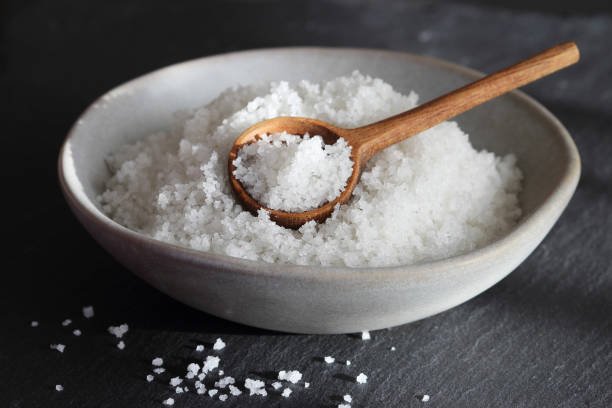
Rock Salt, also known as mineral or halite, is a naturally occurring crystalline mineral composed primarily of sodium chloride (NaCl). It forms through the evaporation of seawater or saline lakes over thousands of years. Unlike refined table salt, rock salt is coarse, unprocessed, and often used in various industrial, culinary, and medicinal applications.

What Is the Composition of Rock Salt?

The main component of rock salt is sodium chloride (NaCl). It contains large crystals of salt along with trace minerals like calcium, magnesium, and potassium, depending on its source. These minerals can give rock salt a slightly different color and mineral content compared to processed table salt.

Where Can You Find Rock Salt?

Rock salt deposits are found in many parts of the world, including underground salt mines and salt flats. Countries like the USA, India, China, and Germany are major producers. It is mined extensively for industrial use, de-icing roads in winter, and sometimes for culinary purposes.

What Are the Uses of Rock Salt?

Rock salt has a wide range of applications:

  • Industrial: Used in the manufacture of chemicals, textiles, and glass.
  • De-icing: Spread on roads and walkways during winter to melt ice.
  • Culinary: Used in salt grinders, for seasoning, and in salt caves for therapy.
  • Medicinal: Used in salt therapy rooms and for some traditional treatments.
  • Preservation: Used for curing meats and preserving foods.

How Does Rock Salt Work?

In industrial and de-icing applications, rock salt works by lowering the freezing point of water, effectively melting ice and snow. When used in cooking or salt caves, its coarse texture and mineral content provide unique flavor and health benefits. Its ability to draw moisture and inhibit bacterial growth makes it an effective preservative.

How Important Is Rock Salt?

Rock salt is crucial in many industries and environmental applications. It helps keep roads safe in winter, supports chemical manufacturing, and is valued in holistic health practices like salt therapy. Its natural mineral content also offers potential health benefits in alternative medicine.

What Happens if You Use Too Little or Too Much Rock Salt?

Using too little rock salt in cooking or preservation might result in bland flavors or spoiled foods. Overuse, especially in de-icing or industrial settings, can cause environmental harm and health issues due to excessive mineral intake or runoff.

Why Do Rock Salt Deficiencies Occur?

Rock salt deficiency is rare since it is abundant in nature. However, in specific health treatments like salt therapy, inadequate exposure to salt caves or mineral-rich environments might limit benefits.

What Are the Signs of Too Little or Too Much Rock Salt?

Deficiency signs include muscle cramps or dehydration, while excessive intake can lead to high blood pressure, kidney strain, or other health problems. In environmental contexts, overuse during de-icing can cause water and soil contamination.

Is Rock Salt a Natural Ingredient?

Yes, rock salt is a natural mineral formed over millions of years and is mined directly from the earth. It undergoes minimal processing compared to refined table salt.

Is Rock Salt Healthy?

In moderation, rock salt can provide essential minerals and support respiratory health when used in salt therapy. However, excessive consumption can be harmful, especially for individuals with hypertension or kidney issues.

Is Rock Salt Harmful?

Excessive intake or improper use of rock salt can be harmful, leading to health problems like high blood pressure. Environmental overuse, such as in de-icing, can also cause ecological harm.

Does Rock Salt Help in Weight Loss?

There is limited scientific evidence to suggest that rock salt directly aids in weight loss. However, some believe that salt therapy and mineral-rich environments can improve overall well-being, which might support weight management indirectly.

Conclusion

Rock salt is a versatile, natural mineral with significant industrial, medicinal, and culinary uses. Its mineral content and natural formation make it unique. While beneficial when used properly, overuse or misuse can pose health and environmental risks. Responsible consumption and application are essential for harnessing its benefits safely.
Leave a Comment

Your email address will not be published. Required fields are marked *

Scroll to Top