What Is Molybdenum and Why Is It Essential for the Body?
Molybdenum is a trace mineral that plays a vital role in various enzymatic processes within your body. Although required in tiny amounts, it is crucial for supporting metabolic functions. Molybdenum acts as a cofactor for several enzymes that help break down waste products and detoxify harmful substances. It assists in converting food into energy and supports your body’s natural detoxification system by facilitating the breakdown of toxins like sulfites and other sulfur-containing compounds. Without adequate Molybdenum, these essential biological processes can slow down, affecting overall health.
Which Foods Are Rich in Molybdenum?
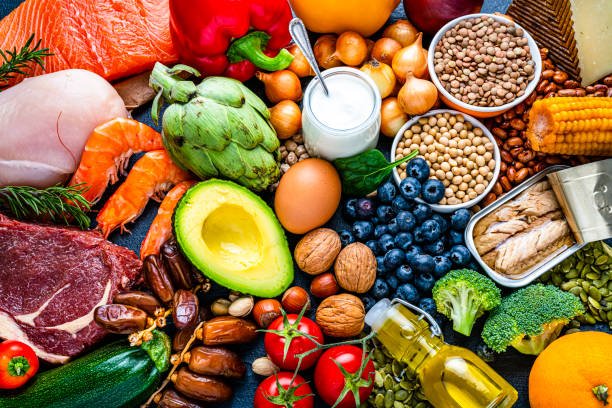
Many foods naturally contain Molybdenum, making it easy to include in your diet. Legumes such as lentils, beans, and peas are excellent sources. Whole grains like oats, barley, and brown rice also contain significant amounts. Leafy green vegetables such as spinach and kale provide a good supply. Dairy products and eggs have moderate levels, while nuts and seeds contribute to your daily intake. Consuming a balanced diet with these foods ensures your body gets enough Molybdenum to support vital functions.
What Happens if You Have a Molybdenum Deficiency?
A deficiency in Molybdenum is rare but can lead to several health issues. You might experience an increased accumulation of toxic sulfites in your body, resulting in symptoms like headaches, fatigue, and gastrointestinal discomfort. In severe cases, Molybdenum deficiency can impair the functioning of enzymes responsible for detoxification, leading to neurological problems or developmental delays in children. It may also contribute to metabolic disturbances and weaken your immune system, emphasizing the importance of maintaining adequate levels.
Are There Risks of Consuming Too Much Molybdenum?
Excessive intake of Molybdenum can be harmful. Consuming high doses, especially through supplements, may cause symptoms such as joint pain, gout-like symptoms, or gastrointestinal upset. In extreme cases, it could interfere with copper absorption, leading to copper deficiency and related health issues. Long-term overconsumption might also stress your kidneys or liver. Therefore, it’s crucial to stick to recommended daily allowances and consult healthcare providers before taking Molybdenum supplements.
Which Parts of the Body Require Molybdenum the Most?
Molybdenum is especially important for the liver, kidneys, and enzymes involved in detoxification processes. The liver plays a key role in filtering toxins, and Molybdenum helps activate enzymes that assist in this function. The kidneys also depend on Molybdenum to help eliminate waste products efficiently. Additionally, all tissues involved in metabolic processes benefit from its presence, ensuring your overall health and energy levels.
Why Is Molybdenum Vital for Your Body?
Molybdenum is essential because it enables critical enzymatic reactions that detoxify harmful substances and support metabolic health. It aids in breaking down sulfur compounds and other toxins, protecting your cells from damage. Moreover, it promotes healthy growth, supports immune function, and helps maintain normal neurological activity. Without sufficient Molybdenum, these processes become sluggish, increasing vulnerability to toxins and metabolic disorders.
How Does Age Affect Your Molybdenum Requirements?
Children, adolescents, and pregnant women require adequate Molybdenum for growth and development. Growing children need it for proper tissue formation, while pregnant women need higher amounts to support fetal development. Older adults may need to ensure sufficient intake to maintain metabolic health and prevent deficiencies that can impair detoxification. Overall, age influences the amount of Molybdenum needed, and a balanced diet tailored to life stages helps meet these requirements.
What Problems Can Occur from Too Little or Too Much Molybdenum?
A deficiency can cause increased sulfite accumulation, leading to headaches, fatigue, and metabolic issues. On the other hand, excessive intake can result in joint pain, gout symptoms, or gastrointestinal distress. In rare cases, overconsumption might interfere with copper absorption, causing copper deficiency and related health concerns. Maintaining a balanced intake through diet and medical guidance is essential to prevent these problems.
Does Molybdenum Interact with Other Foods or Medications?
Yes, Molybdenum can interact with certain foods and medications. For example, high levels of copper or iron supplements may affect Molybdenum absorption. Conversely, Molybdenum can influence the body’s processing of certain drugs, especially those involved in detoxification pathways. People taking mineral supplements or medication should consult healthcare professionals to avoid adverse interactions and ensure proper balance.
Why Is It Important to Test Molybdenum Levels in Medical Diagnoses?
Testing Molybdenum levels helps identify deficiencies or toxicities that could impair your body’s detoxification and metabolic functions. Blood or urine tests reveal whether your intake is adequate for optimal health. For patients with metabolic disorders, liver or kidney issues, or nutritional deficiencies, monitoring Molybdenum ensures appropriate treatment and dietary adjustments. Proper diagnosis and management prevent health complications and support overall wellness.