How Does Iodine Work in Different Body Systems and How?
Iodine is a vital trace element that primarily supports the thyroid gland, a crucial part of your endocrine system. It plays a key role in the production of thyroid hormones like thyroxine (T4) and triiodothyronine (T3). These hormones regulate your body’s metabolism, energy levels, and overall growth. Without enough iodine, the thyroid cannot produce these hormones properly, leading to metabolic imbalances. Iodine also acts as an antioxidant, protecting cells from damage caused by free radicals. During pregnancy and early childhood, iodine is essential for brain development and neurological health, ensuring proper cognitive functions.
Which Foods Are Rich in Iodine in Your Daily Diet?
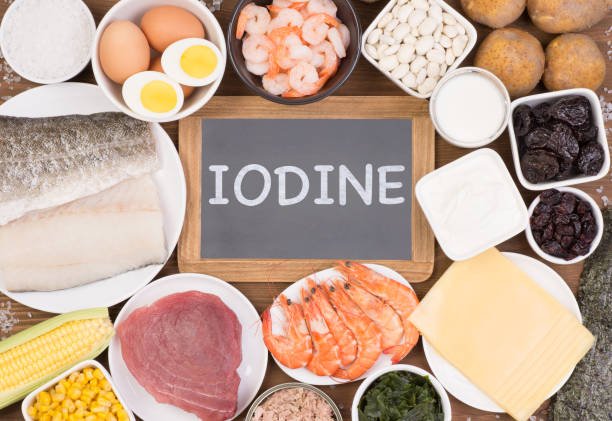
Many common foods are good sources of iodine. Seafood such as fish (salmon, cod), shellfish, and especially seaweed like kelp, nori, and wakame are some of the richest natural sources. Dairy products like milk, yogurt, and cheese contain significant amounts of iodine because of iodine-fortified feed used in dairy farming. Eggs, especially the yolk, also provide moderate iodine. Additionally, iodized salt is widely used around the world and is an easy way to meet daily iodine needs. Vegetables and fruits tend to contain lower amounts of iodine, which depend largely on the iodine content of the soil and water in your region.
What Changes Occur in the Body Due to Iodine Deficiency?
When your body lacks enough iodine, it can lead to several health problems. The most common is the development of a goiter, which is swelling of the thyroid gland. Iodine deficiency can also cause hypothyroidism, leading to fatigue, weight gain, and depression. In pregnant women, iodine deficiency can impair fetal brain development, causing intellectual disabilities and developmental delays in children. Other symptoms include dry skin, hair loss, and a weakened immune system. In severe cases, long-term deficiency can lead to mental impairment and poor growth.
What Are the Risks of Excess Iodine Intake?
While iodine is essential, consuming too much can also be harmful. Excess iodine can cause thyroid inflammation, leading to conditions like hyperthyroidism, where the thyroid produces too much hormone. Symptoms include rapid heartbeat, nervousness, weight loss, and sweating. In some cases, too much iodine can cause iodine poisoning, leading to nausea, vomiting, and diarrhea. Long-term overconsumption may result in thyroid auto-immune diseases or disrupt normal thyroid function. Therefore, it’s important to maintain a balanced intake and consult a healthcare provider before taking iodine supplements.
Which Parts of the Body Need Iodine the Most?
The thyroid gland is the main part that needs iodine the most, as it uses iodine to produce thyroid hormones. These hormones are vital for regulating your metabolism, temperature, and energy. During pregnancy, the developing brain of the fetus heavily depends on maternal iodine levels. The immune system also benefits from iodine’s antioxidant properties, helping to protect cells from damage. Additionally, the skin and hair can benefit from adequate iodine, promoting health and vitality.
What Are the Main Benefits of Iodine and Why Is It Important?
Iodine is crucial for maintaining proper thyroid function, which in turn supports your overall metabolism and energy levels. It is essential for healthy brain development, especially during fetal growth and childhood. Adequate iodine intake strengthens the immune system and helps prevent goiter and other thyroid disorders. Some research also suggests that iodine can help reduce the risk of certain cancers and support reproductive health. Overall, iodine is vital for growth, development, and maintaining a healthy body.
How Does Iodine Requirement Vary with Age?
The need for iodine varies throughout life. Children and adolescents require enough iodine for proper growth and brain development. Pregnant and breastfeeding women need higher amounts to support their growing baby’s brain and physical development. Adults generally need a moderate amount to sustain normal thyroid function and metabolism. Older adults need adequate iodine to help maintain thyroid health and prevent cognitive decline. The requirements are specific to each age group, and meeting these needs is essential for good health.
What Happens if Your Diet Has Too Little or Too Much Iodine?
A deficiency in iodine can lead to goiter, hypothyroidism, developmental delays in children, and mental impairments. On the other hand, too much iodine can cause hyperthyroidism, thyroid inflammation, and autoimmune thyroid diseases. Excess iodine can also lead to symptoms like rapid heartbeat, nervousness, and weight loss. Both deficiency and excess can disrupt your thyroid health, so maintaining a balance is key. Regularly consuming a balanced diet with appropriate iodine levels helps prevent these issues.
How Does Iodine Interact with Foods and Medications?
Certain foods and medications can influence iodine absorption. For example, foods high in goitrogens, like cabbage, cauliflower, and soy, can interfere with iodine uptake by the thyroid gland. Excessive consumption of calcium or iron supplements may also affect iodine absorption. Some medications, such as anti-thyroid drugs or certain radiocontrast agents used in imaging, can interact with iodine levels. It’s important to consult a healthcare professional if you are on medication or have thyroid issues before making significant dietary changes involving iodine.
How Important Is Iodine in Medical Diagnostics and Treatment?
Monitoring iodine levels is important in diagnosing thyroid disorders. Blood tests and urine tests can reveal deficiencies or excesses. In cases of iodine deficiency, doctors may recommend iodine supplements or dietary adjustments. Conversely, if iodine overdose occurs, medical intervention might include reducing iodine intake or using medications to control thyroid function. In some medical procedures, iodine-based contrast agents are used for imaging, making iodine’s role critical in diagnostics. Proper management ensures optimal thyroid health and overall well-being.