Carotenoids & Nutrients: How They Protect Your Cells
What Are Carotenoids and Why Are They Important for the Body?
Carotenoids are natural pigments responsible for the bright orange, yellow, and red colors in many fruits and vegetables. They belong to a class of antioxidants that play a vital role in protecting cells from oxidative damage caused by free radicals. Carotenoids are essential for maintaining healthy vision, supporting immune function, and reducing the risk of chronic diseases like heart disease and certain cancers. They also contribute to healthy skin and overall cellular health, making them a crucial part of a balanced diet.
Which Foods or Fruits and Vegetables Contain Carotenoids?
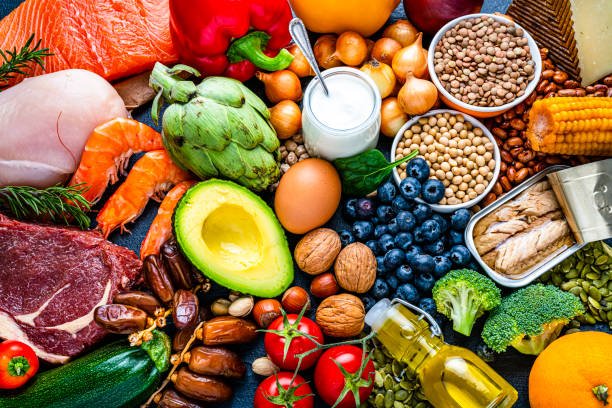
Carotenoids are abundant in a variety of colorful produce. Foods rich in carotenoids include carrots, sweet potatoes, pumpkins, butternut squash, red and yellow peppers, tomatoes, spinach, kale, and other leafy greens. Fruits like mangoes, papayas, apricots, and oranges also contain high levels of carotenoids. Eating a colorful array of fruits and vegetables ensures you get a healthy dose of these powerful antioxidants.
What Problems Can Arise from a Deficiency of Carotenoids?
A deficiency in carotenoids can impair vision, increasing the risk of age-related macular degeneration and cataracts. It can also weaken the immune system, making the body more vulnerable to infections. Lack of carotenoids might lead to skin problems, such as dryness and poor healing, and overall decreased antioxidant capacity, leaving cells more vulnerable to oxidative stress and damage.
Are There Risks of Taking Too Much Carotenoids?
While carotenoids are beneficial, excessive intake, especially through supplements, may cause a harmless condition called carotenemia, where the skin turns yellow-orange. This discoloration is temporary and not harmful but can be cosmetically concerning. High doses of supplements may also increase the risk of oxidative stress and interfere with other nutrients, so moderation is key. It’s best to get carotenoids primarily from natural food sources.
Which Parts of the Body Need Carotenoids the Most?
Carotenoids are especially important for eye health, helping prevent age-related macular degeneration and cataracts. They also support skin health by protecting against UV damage and promoting regeneration. Additionally, they bolster the immune system and protect internal organs from oxidative stress, playing a role in overall cellular health and longevity.
How Much Carotenoids Do Different Age Groups Need?
The required amount of carotenoids varies across age groups, but there are no specific Recommended Dietary Allowances (RDAs). Instead, a diet rich in colorful fruits and vegetables generally provides sufficient carotenoids for all ages. Children, adults, and seniors should aim to consume a variety of carotenoid-rich foods daily to promote overall health and prevent deficiencies.
What Are the Effects of Too Little or Too Much Carotenoids in the Diet?
Insufficient carotenoids can lead to poor vision, weakened immunity, and increased vulnerability to oxidative stress-related diseases. Conversely, excessive intake from supplements can cause skin discoloration and, in some cases, may promote oxidative stress or interfere with other nutrients. Balancing intake through a varied diet is the best way to enjoy their benefits safely.
Are Carotenoids Supplements Safe and Effective?
When taken in moderation, carotenoid supplements are generally safe; however, they are best obtained from natural foods. Excessive supplementation can carry risks like skin discoloration and potential interactions with medications. For most people, consuming a diet rich in fruits and vegetables provides enough carotenoids to support health without the need for supplements.
Do Carotenoids Interact with Other Nutrients or Substances?
Yes, carotenoids work synergistically with other antioxidants like vitamin E and vitamin C, enhancing their protective effects. They can also compete with each other for absorption, so a balanced intake of various carotenoids from different foods is beneficial. Some medications or health conditions may affect carotenoid absorption or utilization, so consultation with a healthcare provider is advisable if you’re on medication.
Why Are Carotenoid Levels Tested in Medical Diagnostics?
Measuring carotenoid levels can help assess nutritional status, especially in individuals with poor dietary intake or certain health conditions. It can also serve as an indicator of overall antioxidant capacity and oxidative stress levels. Monitoring these levels helps in early detection of deficiencies and guides dietary or supplement interventions for optimal health.
Related
Learn More
Calcium & Sources: How to Boost Your Daily Intake
What Is Calcium?
Calcium is a vital mineral essential for maintaining strong bones and teeth, supporting nerve function, muscle contraction, and blood clotting. It is the most abundant mineral in the human body, making up about 1.5% of total body weight. Without adequate calcium, our body cannot perform these critical functions properly.
What Is Calcium Made Of?
Calcium is a chemical element with the symbol Ca and atomic number 20. In the human body, it exists in the form of calcium salts within bones and teeth, providing structure and strength. It also circulates in the bloodstream, participating in various physiological processes.
Where Is Calcium Found?
Calcium is naturally found in many foods, especially dairy products like milk, cheese, and yogurt. It is also present in leafy green vegetables (like spinach and kale), almonds, sesame seeds, fish (like salmon and sardines), and fortified foods such as cereals and plant-based milk. Additionally, calcium supplements are available for those who need extra intake.
Does Calcium Make Our Bones and Teeth Strong?
Absolutely! Calcium is the primary building block of bones and teeth. About 99% of the body’s calcium is stored in these structures, giving them strength and density. Adequate calcium intake during childhood, adolescence, and early adulthood is crucial for developing a strong skeletal system.
How Important Is Calcium?
Calcium is extremely important for overall health. It supports bone density, prevents osteoporosis, helps in muscle function, facilitates nerve signal transmission, and is vital for blood clotting. Maintaining optimal calcium levels is essential for both children and adults to prevent health issues.
What Happens If Calcium Is Deficient?
A deficiency in calcium can lead to weakened bones, increased risk of fractures, and conditions like osteoporosis. In children, calcium deficiency can impair growth and development. Symptoms like muscle cramps, numbness, and abnormal heart rhythms may also appear with severe deficiency.
What Are the Signs of Too Little or Too Much Calcium?
Low calcium symptoms include muscle cramps, tingling in fingers, fatigue, and brittle bones. Excess calcium, often from supplements, can cause kidney stones, constipation, and interfere with the absorption of other minerals. It may also lead to abnormal heart rhythms.
How Can You Fill the Calcium Gap?
To address calcium deficiency, include calcium-rich foods in your diet, such as dairy, leafy greens, and fortified products. Supplements can be taken if recommended by a healthcare provider. Additionally, vitamin D helps calcium absorption, so ensure adequate sunlight exposure or supplements if needed.
How Is Calcium Made or Produced?
Calcium is a naturally occurring mineral obtained from rocks and minerals like limestone, which is processed to produce calcium carbonate and other supplements used in food fortification and medicine.
Is Calcium a Natural Ingredient?
Yes, calcium is a naturally occurring mineral found in the earth’s crust and in many foods. It has been part of the human diet for thousands of years, primarily through dairy and plant-based sources.
Is Calcium Suitable for All Ages?
Yes! Calcium is essential for all age groups. Children need it for growth, teenagers for bone development, adults for maintaining bone density, and older adults to prevent osteoporosis. Adequate calcium intake benefits everyone.
Is Calcium Beneficial for Children?
Absolutely! Calcium is crucial for children’s growth, bone development, and overall health. Adequate calcium intake during childhood and adolescence builds a strong skeletal foundation for lifelong health.
Conclusion
Calcium is an indispensable mineral vital for maintaining healthy bones, teeth, and overall bodily functions. Ensuring sufficient calcium intake through diet or supplements, along with vitamin D, helps prevent deficiency-related health issues like osteoporosis and supports growth and development at every age.

FAQs:(Frequently Asked Questions)
Is Calcium Harmful for Diabetes?
Calcium itself is not harmful for diabetics and may even support overall health. However, excessive calcium intake from supplements should be avoided, as it can cause other health issues. Always consult a healthcare provider for personalized advice.
Are There Alternatives to Calcium?
Yes, plant-based sources like kale, broccoli, almonds, and fortified plant milks are good alternatives. Vitamin D also plays a critical role in calcium absorption, so maintaining optimal vitamin D levels is essential.
Does Calcium Help in Weight Loss?
Calcium alone does not directly cause weight loss. However, some studies suggest that adequate calcium intake may help regulate appetite and fat metabolism, supporting a healthy weight when combined with proper diet and exercise.