Search
Close this search box.

Vitamin K & Foods: Top Sources for Better Health

A plate of fresh leafy greens like spinach and kale, with a bottle of vegetable oil and fermented foods in the background.
Facebook
Twitter
LinkedIn

What is Vitamin K?

Vitamin K is a fat-soluble vitamin essential for blood clotting and maintaining healthy bones. It activates proteins that help in blood coagulation, preventing excessive bleeding, and in bone mineralization, promoting strong, dense bones. There are two main forms: Vitamin K1 (phylloquinone), primarily found in green leafy vegetables, and Vitamin K2 (menaquinones), produced by bacteria in our gut and found in fermented foods and certain animal products. Adequate Vitamin K intake is vital for overall health, especially for preventing bleeding disorders and osteoporosis.

What are the Main Sources of Vitamin K?

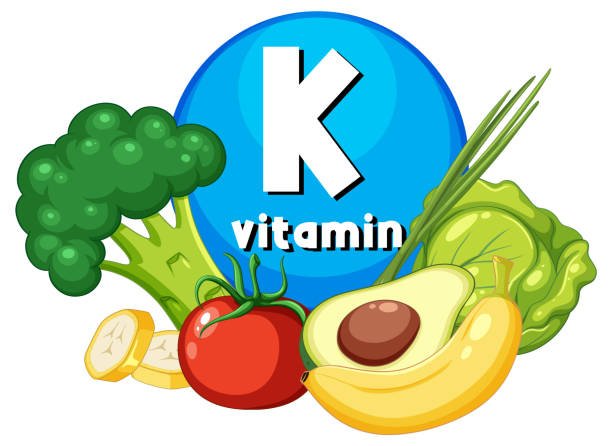
Vitamin K is predominantly found in green leafy vegetables such as spinach, kale, broccoli, and Brussels sprouts, which are rich in Vitamin K1. Other sources include vegetable oils like soybean and canola oil, fermented foods like natto, cheese, and certain animal products like liver. Our gut bacteria also produce Vitamin K2, contributing to our overall levels. Incorporating a variety of these foods into your diet ensures sufficient Vitamin K intake.

Why is Vitamin K So Important?

Vitamin K is crucial because it activates specific proteins involved in blood clotting, preventing excessive bleeding. It also plays a vital role in calcium regulation, helping to deposit calcium into bones and teeth, thus preventing osteoporosis and fractures. Without enough Vitamin K, the risk of bleeding disorders and weakened bones significantly increases, making it an essential nutrient for both circulatory and skeletal health.

How Can I Know If I Have a Vitamin K Deficiency?

Signs of Vitamin K deficiency include easy bruising, excessive bleeding from wounds, bleeding gums, or nosebleeds. In infants, deficiency can lead to a rare bleeding disorder called hemorrhagic disease of the newborn. Long-term deficiency may cause osteoporosis or increased fracture risk. Blood tests measuring prothrombin time (PT) and Vitamin K levels can confirm deficiency. If you experience unusual bleeding or bruising, consult a healthcare provider for proper diagnosis.

Which Foods or Foods Contain the Most Vitamin K?

Green leafy vegetables like spinach, kale, parsley, and broccoli are the top sources of Vitamin K1. Fermented foods such as natto (a Japanese fermented soybean dish) contain high levels of Vitamin K2. Other sources include vegetable oils, small amounts in cheese, eggs, and liver. Regularly consuming these foods can significantly boost your Vitamin K levels naturally.

What Kind of Bleeding or Bone Problems Can Result from Vitamin K Deficiency?

Vitamin K deficiency can lead to increased bleeding tendencies, such as nosebleeds, bleeding gums, and easy bruising. In severe cases, it can cause hemorrhagic disease, especially in infants. For bones, deficiency impairs the activation of osteocalcin, a protein essential for calcium binding in bones, leading to weakened bones, osteoporosis, and higher fracture risk over time.

How Soon Will I Notice the Effects of Vitamin K?

The effects of improved Vitamin K intake can be observed within a few weeks, especially in terms of better blood clotting and healing. Bone health benefits, like increased bone density, may take several months to become noticeable, as bone remodeling is a slow process.

Are Vitamin K Supplements Safe?

Yes, Vitamin K supplements are generally safe when taken within recommended doses. Vitamin K1 supplements are widely used for blood clotting support, and Vitamin K2 supplements are popular for bone health. However, individuals on blood-thinning medications like warfarin must consult their doctor before taking supplements, as excess Vitamin K can interfere with medication efficacy.

What Are the Risks of Taking Too Much Vitamin K?

While Vitamin K toxicity is rare, excessive intake through supplements can cause adverse effects, such as blood clotting issues or allergic reactions. High doses may also interact with blood-thinning medications, increasing the risk of blood clots. Always follow medical advice and recommended dosages to avoid potential risks.

What Is the Relationship Between Vitamin K and Calcium?

Vitamin K works synergistically with calcium to build and maintain healthy bones. It activates osteocalcin, a protein that binds calcium to the bone matrix. Without sufficient Vitamin K, calcium may not be effectively deposited into bones and teeth, leading to weaker bones and increased risk of osteoporosis. Adequate Vitamin K ensures calcium is used properly in the body.

How Can Green Vegetables Help Increase My Vitamin K Levels?

Green leafy vegetables are rich in Vitamin K1. Regularly eating spinach, kale, parsley, and broccoli can significantly boost your intake. These vegetables contain high amounts of phylloquinone, which the body readily absorbs and uses for blood clotting and bone health. Incorporating a variety of greens into your daily meals is an effective natural strategy to maintain optimal Vitamin K levels.

Does Vitamin K Help Prevent Long-Term Diseases or Damage?

Yes, Vitamin K helps prevent long-term health issues like osteoporosis, arterial calcification, and cardiovascular diseases by ensuring proper calcium regulation and preventing calcium deposits in arteries. Adequate intake can also support overall vascular health and reduce the risk of age-related bone loss.

What Is the Connection Between Vitamin K and Other Nutrients?

Vitamin K works closely with calcium and vitamin D. Vitamin D enhances calcium absorption from the gut, while Vitamin K activates proteins that direct calcium to bones and teeth, preventing it from depositing in arteries. Together, these nutrients maintain strong bones and healthy cardiovascular systems.

Does Vitamin K Deficiency Lead to Bone Weakness or Osteoporosis?

Absolutely. Without enough Vitamin K, osteocalcin remains inactive, reducing calcium binding in bones and increasing the risk of osteoporosis and fractures, especially in the elderly. Ensuring sufficient Vitamin K intake is vital for maintaining bone density and preventing long-term skeletal problems.

Conclusion

Vitamin K is an essential nutrient that plays a vital role in blood clotting and bone health. Its interaction with calcium and other nutrients highlights its importance in maintaining overall well-being. Consuming a diet rich in green vegetables, fermented foods, and, if needed, supplements can help prevent deficiencies. Adequate Vitamin K intake supports a healthy circulatory system and strong bones, reducing the risk of bleeding disorders and osteoporosis in the long run.
FAQs:(Frequently Asked Questions)

Is Vitamin K Supplement Safe?

Yes, when taken within recommended doses, Vitamin K supplements are safe for most people. Those on blood-thinning medications should consult their healthcare provider before supplementing, as Vitamin K can interfere with medication effectiveness.

While no substitute can fully replace Vitamin K, nutrients like calcium and vitamin D support bone health, and antioxidants like vitamin C help vascular health. However, these nutrients work best alongside adequate Vitamin K; they are not direct replacements.

Vitamin-C for Energy: What You Need to Know

A colorful assortment of fruits and vegetables rich in Vitamin C, including oranges, strawberries, kiwi, and bell peppers.
Facebook
Twitter
LinkedIn

What is Vitamin C?

Vitamin-C, also known as ascorbic acid, is a vital water-soluble nutrient that plays an essential role in maintaining overall health. It is renowned for its powerful antioxidant properties, helping to protect cells from damage caused by free radicals. Additionally, Vitamin C is crucial for collagen synthesis, wound healing, and supporting the immune system. Unlike some vitamins, our body cannot produce Vitamin C on its own, so we must obtain it through our diet or supplements.

What are the Sources of Vitamin C?

Vitamin C is abundantly found in a variety of fruits and vegetables. The most common natural sources include citrus fruits such as oranges, lemons, and grapefruits. Other excellent sources are strawberries, kiwi, mango, pineapple, and papaya. Vegetables like bell peppers, broccoli, Brussels sprouts, spinach, and tomatoes are also rich in Vitamin C. Consuming a diverse range of these foods ensures adequate intake of this essential nutrient.

What are the Types of Vitamin C?

Vitamin C exists mainly in two forms:

  • Ascorbic Acid: The most common and stable form of Vitamin C found in supplements and fortified foods. It is easily absorbed by the body and used in various biological processes.
  • Mineral Ascorbates: These are buffered forms such as sodium ascorbate or calcium ascorbate, which are less acidic and gentler on the stomach, making them suitable for people with sensitive digestion.

Both forms are effective in providing the benefits of Vitamin C, but ascorbic acid is the most prevalent in natural foods and supplements.

What are the Benefits of Vitamin C?

Vitamin C offers a wide range of health benefits, including:

  • Boosting the immune system by stimulating the production of white blood cells
  • Acting as a powerful antioxidant to neutralize free radicals
  • Supporting collagen formation, which maintains skin elasticity and aids in wound healing
  • Enhancing iron absorption from plant-based foods, preventing anemia
  • Protecting against cardiovascular disease by reducing blood pressure and cholesterol levels
  • Promoting healthy gums and preventing scurvy, a disease caused by severe deficiency
  • Supporting brain health and reducing inflammation

How Can I Get More Vitamin C?

To increase your Vitamin C intake, include more fresh fruits and vegetables in your daily diet. Aim to consume at least 2-3 servings of citrus fruits, bell peppers, broccoli, or strawberries daily. Incorporate smoothies, salads, and snacks rich in Vitamin C-rich foods. For those with dietary restrictions or increased needs, consider taking Vitamin C supplements after consulting a healthcare professional.

What Problems Arise from Vitamin C Deficiency?

A deficiency in Vitamin C can lead to:

  • Scurvy, characterized by bleeding gums, fatigue, and joint pain
  • Poor wound healing
  • Frequent infections due to weakened immune response
  • Anemia caused by impaired iron absorption
  • Dry, rough skin and hair loss
  • Swollen and bleeding gums

Long-term deficiency can severely impair overall health and increase susceptibility to diseases.

How Much Vitamin C Should I Take Daily?

The recommended daily allowance (RDA) varies by age, gender, and health status. Generally:

  • Adult men: 90 mg per day
  • Adult women: 75 mg per day
  • Pregnant women: 85 mg per day
  • Lactating women: 120 mg per day
  • Smokers: An additional 35 mg per day due to increased oxidative stress

It’s best to obtain Vitamin C through diet, but supplements can be taken under medical guidance if needed.

Which Foods Are Highest in Vitamin C?

Foods with the highest Vitamin C content include:

  • Kakadu plums (extremely rich)
  • Acerola cherries
  • Guava
  • Strawberries
  • Bell peppers (especially red)
  • Kiwi
  • Broccoli and Brussels sprouts

Including these in your diet can significantly boost your Vitamin C levels.

What Happens if I Consume Too Much Vitamin C?

Excessive intake of Vitamin C from supplements can cause side effects such as:

  • Upset stomach and diarrhea
  • Kidney stones in susceptible individuals
  • Nausea and cramping
  • False positive results in certain medical tests

Since Vitamin C is water-soluble, excess amounts are usually excreted, but moderation is important.

Is Vitamin C Important for Strengthening Immunity?

Absolutely! Vitamin C is crucial for a robust immune system. It stimulates the production and function of white blood cells, enhances skin barrier functions, and acts as an antioxidant to reduce inflammation. During cold and flu seasons, many people increase their Vitamin C intake to help ward off illnesses.

How Can I Tell If I Have a Vitamin C Deficiency?

Signs of deficiency include:

  • Bleeding gums and easy bruising
  • Slow wound healing
  • Fatigue and weakness
  • Swollen joints
  • Dry, rough skin
  • Frequent infections

If you experience these symptoms, consult a healthcare professional for testing and proper diagnosis.

Why Should I Take Vitamin C in the Morning?

Taking Vitamin C in the morning helps your body absorb and utilize it better throughout the day. It also boosts your immune system early on and provides antioxidant protection against environmental stressors like pollution and UV rays. Plus, it can improve your overall energy levels and skin health.

Are Vitamin C Supplements Safe?

Yes, when taken within recommended doses, Vitamin C supplements are generally safe for most people. However, high doses can cause gastrointestinal discomfort and kidney stones in some cases. Always consult a healthcare provider before starting any supplement, especially if you have health conditions or are pregnant or breastfeeding.

Conclusion

Vitamin C is an essential nutrient that plays a vital role in maintaining immune health, skin integrity, and overall well-being. Consuming a balanced diet rich in fruits and vegetables can provide sufficient Vitamin C, but supplements may be beneficial in certain cases. Ensuring adequate intake helps prevent deficiency-related health issues and supports your body’s defenses against illnesses.

FAQs:(Frequently Asked Questions)

What are the alternatives to Vitamin C?

Other antioxidants like Vitamin E, selenium, and carotenoids also support immune health and protect against free radical damage, but Vitamin C is unique in its role in collagen synthesis and iron absorption.

Leave a Comment

Your email address will not be published. Required fields are marked *

Scroll to Top