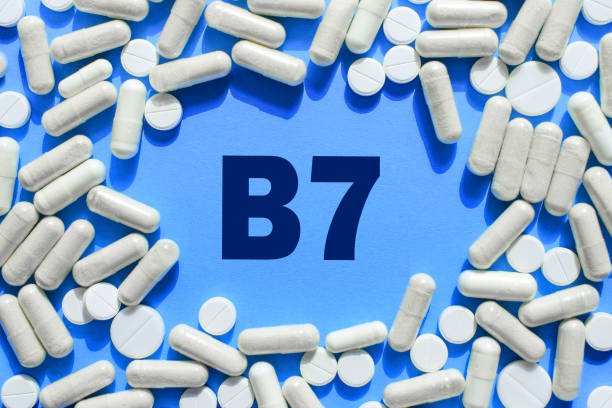
Vitamin B7 & How It Works: Powering Cell Growth & Repair
What Is Vitamin B7 (Biotin)?
Vitamin B7, commonly known as Biotin, is an essential water-soluble vitamin that plays a pivotal role in supporting healthy skin, hair, and nails. It is a coenzyme involved in fat, carbohydrate, and protein metabolism, helping the body convert food into energy. Often referred to as the “beauty vitamin,” Biotin is vital for maintaining healthy skin and promoting hair growth. Since it dissolves in water, excess amounts are excreted through urine, making regular intake through diet or supplements necessary.
What Kind of Solubility Does Vitamin B7 Have?
Vitamin B7 (Biotin) is water-soluble. This means it dissolves easily in water, allowing quick absorption and utilization by the body. Because it is water-soluble, the body does not store large reserves of Biotin, which underscores the importance of consistent dietary intake.
What Are the Sources of Vitamin B7?
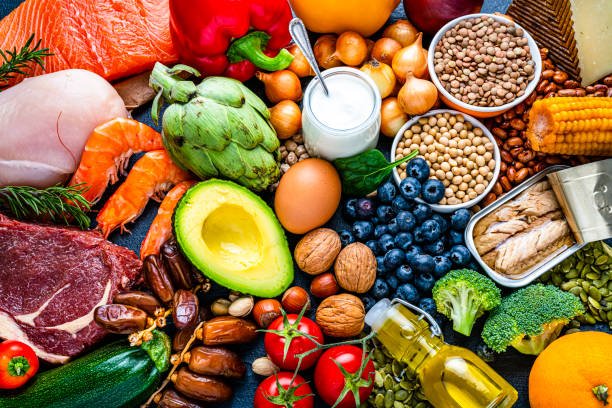
Vitamin B7 is naturally present in many foods, including:
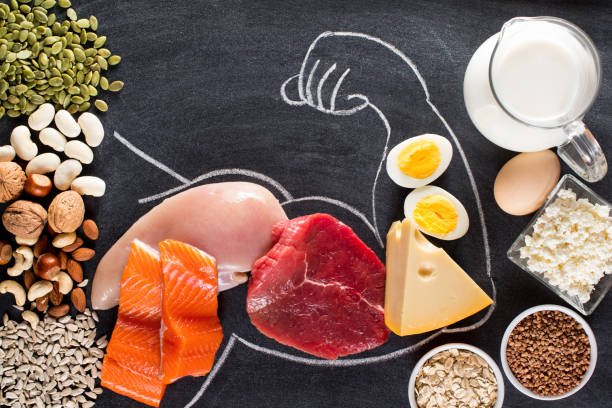
- Eggs (especially the yolk)
- Nuts and seeds
- Fish such as salmon
- Dairy products like milk and cheese
- Whole grains and cereals
- Vegetables like sweet potatoes, spinach, and broccoli
- Legumes and fruits like avocados
Including these foods in your diet can help maintain adequate levels of Biotin and support overall health.
What Are the Components or Types of Vitamin B7?
Biotin exists as a single chemical form, with its primary role as a coenzyme in metabolic processes. There are no distinct types of Vitamin B7, but it functions mainly as a coenzyme that facilitates the activity of enzymes involved in fatty acid synthesis, amino acid breakdown, and glucose production.
What Are the Uses of Vitamin B7?
Vitamin B7 supports:
- Healthy hair, skin, and nails
- Energy production from carbohydrates, fats, and proteins
- Fatty acid synthesis and amino acid metabolism
- Blood sugar regulation
- Nervous system health
- Skin health and wound healing
How Does Vitamin B7 Work?
Biotin functions as a coenzyme in several important enzymatic reactions. It helps enzymes involved in synthesizing fatty acids, amino acids, and glucose. These processes are essential for maintaining energy levels, cellular health, and tissue repair. Biotin also supports the production of keratin, a key protein in hair and nails, promoting their strength and growth.
How Healthy Is Vitamin B7?
Vitamin B7 is highly beneficial for overall health and beauty. It strengthens hair and nails, supports healthy skin, and boosts energy levels. Adequate intake can prevent deficiencies that cause hair thinning, brittle nails, and skin rashes. Its antioxidant properties also help protect cells from damage.
What Happens if You Consume Too Little or Too Much Vitamin B7?
- Too Little (Deficiency): Although rare, deficiency can lead to hair thinning, hair loss, skin rashes, brittle nails, and neurological symptoms like depression and fatigue.
- Too Much (Toxicity): Excessive intake from supplements is generally considered safe, with no known toxic effects. High doses are unlikely to cause adverse effects but may lead to minor issues like skin rashes in some cases.
What Causes a Deficiency of Vitamin B7?
Deficiency may result from poor diet, malabsorption syndromes, certain medical conditions, prolonged use of antibiotics, or raw egg white consumption (which contains avidin, a protein that binds Biotin and prevents its absorption).
What Are the Signs of Too Little or Too Much Vitamin B7?
- Too Little: Hair thinning, brittle nails, skin rashes, fatigue, depression, and neurological symptoms.
- Too Much: No significant adverse effects reported, but some may experience minor skin issues or gastrointestinal upset with very high supplement doses.
Is Vitamin B7 a Natural Ingredient?
Yes, Biotin naturally occurs in a variety of foods and is also available as a dietary supplement. It is an essential nutrient that supports various metabolic functions.
Does Vitamin B7 Help in Weight Gain?
Biotin supports metabolism but does not directly cause weight gain. It helps convert nutrients into energy and supports overall metabolic health, which can aid in maintaining a healthy weight.
Conclusion
Vitamin B7 (Biotin) is a crucial nutrient for maintaining healthy hair, skin, nails, and supporting energy metabolism. Consuming a diet rich in Biotin-containing foods helps prevent deficiency and promotes overall health and beauty. While deficiency is rare, ensuring adequate intake is important for cellular health and vitality. Excess supplementation is generally safe but should be taken within recommended limits.
FAQs:(Frequently Asked Questions)
Are There Alternatives to Vitamin B7?
Other nutrients like zinc and silica also support hair and skin health, but Biotin plays a unique role. A balanced diet ensures sufficient intake of all essential nutrients.
Does Vitamin B7 Help in Weight Gain?
Biotin supports metabolic processes but does not directly promote weight gain. Proper nutrition and lifestyle are key to healthy weight management.
Related
Learn More
Rock Salt & Benefits: Why It’s a Natural Treasure
What Is Rock Salt?
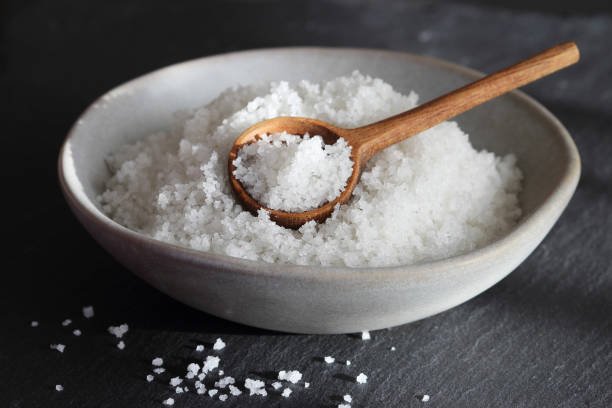
Rock Salt, also known as mineral or halite, is a naturally occurring crystalline mineral composed primarily of sodium chloride (NaCl). It forms through the evaporation of seawater or saline lakes over thousands of years. Unlike refined table salt, rock salt is coarse, unprocessed, and often used in various industrial, culinary, and medicinal applications.
What Is the Composition of Rock Salt?
The main component of rock salt is sodium chloride (NaCl). It contains large crystals of salt along with trace minerals like calcium, magnesium, and potassium, depending on its source. These minerals can give rock salt a slightly different color and mineral content compared to processed table salt.
Where Can You Find Rock Salt?
Rock salt deposits are found in many parts of the world, including underground salt mines and salt flats. Countries like the USA, India, China, and Germany are major producers. It is mined extensively for industrial use, de-icing roads in winter, and sometimes for culinary purposes.
What Are the Uses of Rock Salt?
Rock salt has a wide range of applications:
- Industrial: Used in the manufacture of chemicals, textiles, and glass.
- De-icing: Spread on roads and walkways during winter to melt ice.
- Culinary: Used in salt grinders, for seasoning, and in salt caves for therapy.
- Medicinal: Used in salt therapy rooms and for some traditional treatments.
- Preservation: Used for curing meats and preserving foods.
How Does Rock Salt Work?
In industrial and de-icing applications, rock salt works by lowering the freezing point of water, effectively melting ice and snow. When used in cooking or salt caves, its coarse texture and mineral content provide unique flavor and health benefits. Its ability to draw moisture and inhibit bacterial growth makes it an effective preservative.
How Important Is Rock Salt?
Rock salt is crucial in many industries and environmental applications. It helps keep roads safe in winter, supports chemical manufacturing, and is valued in holistic health practices like salt therapy. Its natural mineral content also offers potential health benefits in alternative medicine.
What Happens if You Use Too Little or Too Much Rock Salt?
Using too little rock salt in cooking or preservation might result in bland flavors or spoiled foods. Overuse, especially in de-icing or industrial settings, can cause environmental harm and health issues due to excessive mineral intake or runoff.
Why Do Rock Salt Deficiencies Occur?
Rock salt deficiency is rare since it is abundant in nature. However, in specific health treatments like salt therapy, inadequate exposure to salt caves or mineral-rich environments might limit benefits.
What Are the Signs of Too Little or Too Much Rock Salt?
Deficiency signs include muscle cramps or dehydration, while excessive intake can lead to high blood pressure, kidney strain, or other health problems. In environmental contexts, overuse during de-icing can cause water and soil contamination.
Is Rock Salt a Natural Ingredient?
Yes, rock salt is a natural mineral formed over millions of years and is mined directly from the earth. It undergoes minimal processing compared to refined table salt.
Is Rock Salt Healthy?
In moderation, rock salt can provide essential minerals and support respiratory health when used in salt therapy. However, excessive consumption can be harmful, especially for individuals with hypertension or kidney issues.
Is Rock Salt Harmful?
Excessive intake or improper use of rock salt can be harmful, leading to health problems like high blood pressure. Environmental overuse, such as in de-icing, can also cause ecological harm.
Does Rock Salt Help in Weight Loss?
There is limited scientific evidence to suggest that rock salt directly aids in weight loss. However, some believe that salt therapy and mineral-rich environments can improve overall well-being, which might support weight management indirectly.
Conclusion
Rock salt is a versatile, natural mineral with significant industrial, medicinal, and culinary uses. Its mineral content and natural formation make it unique. While beneficial when used properly, overuse or misuse can pose health and environmental risks. Responsible consumption and application are essential for harnessing its benefits safely.