What Is Vegetable Fat?
Vegetable fat refers to fats and oils derived from plant sources. These fats are typically liquid at room temperature and are widely used in cooking, baking, and processed foods. They are rich in unsaturated fats, which are generally considered healthier than animal fats. Examples include olive oil, sunflower oil, soybean oil, canola oil, and coconut oil (although coconut oil is a saturated fat from a plant source).
What Are the Main Sources of Vegetable Fat?
The primary sources of vegetable fats are various edible oils extracted from seeds, nuts, fruits, and kernels. Key sources include:
- Olive oil from olives
- Sunflower oil from sunflower seeds
- Soybean oil from soybeans
- Canola oil from rapeseed
- Coconut oil from coconut flesh
- Palm oil from oil palm fruit
These oils are widely used for cooking, frying, and in processed foods.
Why Is Vegetable Fat Important for Our Health?
Vegetable fats are essential because they provide vital fatty acids that our bodies cannot produce on their own, such as omega-3 and omega-6 fatty acids. They serve as a dense energy source, support cell structure, and help in the absorption of fat-soluble vitamins like A, D, E, and K. When consumed in moderation, they contribute positively to overall health and wellbeing.
Which Foods Contain High Levels of Vegetable Fat?
Foods rich in vegetable fats include:
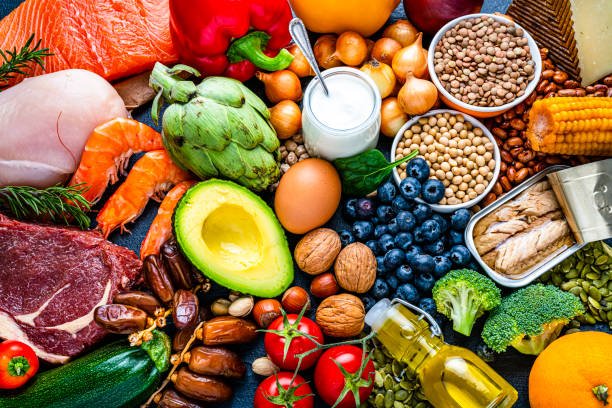
- Nuts and seeds (almonds, walnuts, flaxseeds)
- Avocados
- Cooking oils (olive oil, sunflower oil, soybean oil)
- Processed snacks and baked goods made with vegetable oils
- Margarine and spreads
Incorporating these foods into your diet ensures you get healthy fats naturally.
Does Vegetable Fat Cause Weight Gain?
Like all fats, vegetable fats are calorie-dense, providing about 9 calories per gram. Eating them in excess without balancing your overall calorie intake can lead to weight gain. However, healthy vegetable fats, when eaten in moderation, do not necessarily cause weight gain and can be part of a nutritious diet.
How Much Vegetable Fat Should You Consume Daily?
Health experts recommend that fats should comprise about 20-35% of your total daily calories. The focus should be on replacing saturated and trans fats with unsaturated vegetable fats. For most adults, 2-3 tablespoons of healthy oils daily are sufficient for maintaining health.
Are Vegetable Fats Beneficial or Harmful?
In moderation, vegetable fats are beneficial for heart health, brain function, and overall wellbeing. They help lower bad cholesterol levels and reduce inflammation. However, excessive intake, especially from processed or fried foods, can have adverse effects.
Are Vegetable Fats Good for the Heart?
Yes! Unsaturated vegetable fats like olive oil, canola oil, and sunflower oil are known to improve heart health by lowering LDL cholesterol (bad cholesterol) and increasing HDL cholesterol (good cholesterol). They also help reduce inflammation and the risk of cardiovascular diseases.
What Is the Difference Between Vegetable Fat and Trans Fat?
Vegetable fats are naturally occurring or processed oils rich in unsaturated fats, which are healthy for the heart. Trans fats are artificially produced during hydrogenation and are found in some processed foods. Trans fats are harmful because they increase bad cholesterol levels and raise the risk of heart disease. Always opt for natural, unhydrogenated vegetable oils.
What Are the Alternatives to Vegetable Fats?
Healthy alternatives include:
- Nuts and seeds (for natural fats)
- Avocado
- Fatty fish rich in omega-3s
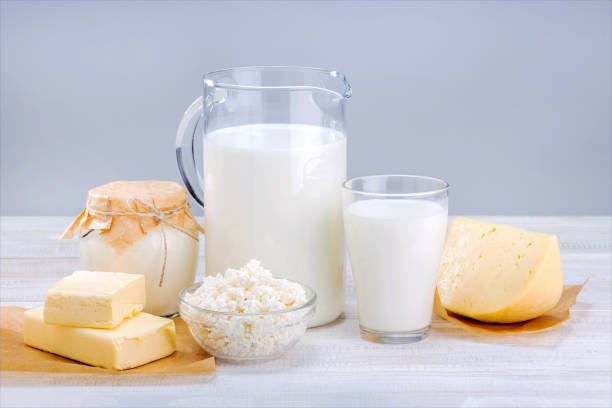
- Minimal use of butter or ghee
- Incorporating omega-3 supplements if needed
Choosing unprocessed, healthy oils and natural fat sources is best for health.
How to Use Vegetable Fats Properly?
Use vegetable oils in moderation, preferably cold-pressed or extra virgin varieties. Avoid deep frying and limit consumption of processed foods high in trans fats. Incorporate a variety of oils in your diet, and prefer cooking methods like baking, grilling, or steaming instead of frying.
What Are the Disadvantages of Eating Too Much Vegetable Fat?
Overconsumption can lead to excess calorie intake, resulting in weight gain. Some processed vegetable oils may contain trans fats or oxidized oils that increase inflammation and cardiovascular risk. Excessive fried and processed foods can harm overall health.
Are There Benefits to Reducing Vegetable Fat Intake?
Yes. Cutting back on excess vegetable fats, especially from processed foods, helps manage weight, reduce cholesterol levels, and decrease the risk of heart disease. Prioritizing natural, unprocessed sources of healthy fats is more beneficial.
Is Vegetable Fat Safe for the Body?
Yes! When consumed in moderation and sourced from healthy oils, vegetable fats are safe and beneficial. Choosing unrefined, minimally processed oils and avoiding trans fats ensures they support good health.
Conclusion
Vegetable fats are an essential part of a balanced diet, providing vital nutrients and energy. Opting for healthy sources like olive oil, nuts, and seeds, and consuming them in moderation, can promote heart health and overall wellbeing. Avoiding processed and trans fats is crucial for maintaining good health.