What Are Tannins, and What Are Their Unique Characteristics?
Tannins are naturally occurring polyphenolic compounds found mainly in plants. They are responsible for the astringent, dry sensation in the mouth when consuming certain foods and drinks. What makes tannins special is their remarkable ability to bind to and precipitate proteins and minerals, causing that characteristic puckering feeling. Their molecular structure enables them to act as potent antioxidants, neutralizing harmful free radicals in the body. Additionally, tannins possess antimicrobial and anti-inflammatory properties, making them beneficial for overall health. Their unique trait of binding to proteins and minerals influences digestion and nutrient absorption, which can be both advantageous and challenging.
Which Foods and Drinks Are Rich in Tannins in Our Daily Diet?
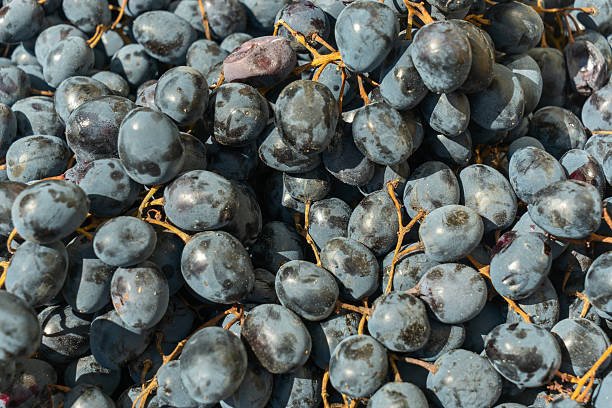
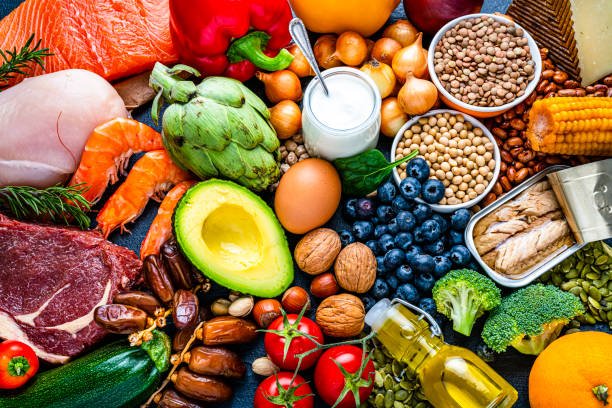
Tannins are present in many common foods and beverages. The most prominent sources include black and green teas, which are packed with tannins that contribute to their flavor and health benefits. Red wine, especially when aged in oak barrels, is rich in tannins that add complexity to its taste. Fruits such as grapes, pomegranates, cranberries, and unripe bananas contain significant amounts of tannins. Nuts like walnuts and almonds, spices such as cinnamon and cloves, and certain herbs also provide a good dose of tannins. Vegetables like spinach and kale, along with oak-aged products, also contribute to your daily intake. Regularly consuming these foods naturally boosts your tannin levels, supporting your overall health.
How Important Are Tannins for Our Health? What Are Their Benefits?
Tannins are highly beneficial for health owing to their powerful antioxidant and antimicrobial effects. They help combat oxidative stress, which reduces the risk of chronic diseases such as heart disease, cancer, and neurodegenerative disorders. Tannins also support oral health by inhibiting bacteria that cause cavities and gum disease. Their anti-inflammatory properties can soothe tissues and reduce swelling. Moreover, tannins assist in weight management and blood sugar regulation, and they help strengthen the immune system. Including tannin-rich foods in your diet can significantly enhance your overall well-being and longevity.
In Which Diseases or Conditions Should Tannins Be Consumed or Avoided?
While tannins offer many health benefits, excessive intake can have drawbacks. Since tannins bind to iron and other minerals, they can hinder their absorption, possibly leading to deficiencies like anemia. People with gastrointestinal issues such as ulcers, gastritis, or acid reflux should limit tannin intake, as it might worsen their symptoms. Pregnant women and individuals on certain medications should consult healthcare providers before consuming large amounts of tannins, as they can interfere with medication absorption or cause adverse effects.
How Do Tannins Function Inside the Body, and What Effects Do They Have?
Once consumed, tannins act mainly as powerful antioxidants, scavenging free radicals that cause cellular damage. They influence enzyme activity and modulate inflammatory pathways, helping reduce tissue swelling and supporting immune health. Their ability to bind to proteins and minerals affects digestion—sometimes inhibiting mineral absorption but also protecting against harmful microbes in the gut. Their astringent properties can help control bleeding and diarrhea. Overall, tannins contribute to disease prevention, tissue repair, and maintaining cellular health.
How Much Tannins Should We Consume Daily for Better Health?
There is no strict daily recommended amount, but consuming around 100-200 mg of tannins through natural sources like tea, berries, nuts, and spices is generally beneficial. The key is to include a variety of tannin-rich foods regularly in your diet, rather than relying on supplements. Moderation is essential, especially for individuals with health conditions that might be affected by tannin intake.
What Is the Relationship Between Tannins and Antioxidants?
Tannins are a major class of natural antioxidants. They protect cells from oxidative damage by neutralizing free radicals, which are unstable molecules that contribute to aging and chronic diseases. Their antioxidant activity supports overall health, reduces inflammation, and lowers the risk of diseases such as cardiovascular problems and cancer. Because of their polyphenolic structure, tannins are particularly effective at scavenging multiple free radicals, making them vital in disease prevention.
Are Tannins Only Beneficial, or Do They Have Any Downsides?
While tannins are largely beneficial, overconsumption can cause adverse effects. Excessive intake may impair the absorption of iron and other minerals, which can lead to deficiencies like anemia. Some people may experience gastrointestinal discomfort such as nausea, upset stomach, or bloating. Tannins can also interact with medications, reducing their effectiveness. Therefore, it’s important to consume tannin-rich foods in moderation and be cautious, especially if you have existing health issues.
How Do Tannins Effectively Impact the Body?
Tannins influence health mainly through their antioxidant, antimicrobial, and anti-inflammatory actions. They help protect cells from oxidative damage, support immune functions, and reduce inflammation. Their antimicrobial properties inhibit bacterial growth, which benefits oral and gut health. Additionally, their astringent qualities can assist in controlling bleeding and diarrhea. Overall, tannins contribute significantly to disease prevention, tissue healing, and promoting long-term health.