How Does Selenium Work in Different Body Systems?
Selenium is an essential trace mineral that plays a vital role across various bodily systems. It acts as a powerful antioxidant, helping to neutralize harmful free radicals and reduce oxidative stress throughout the body. Selenium supports the immune system by enhancing white blood cell activity and increasing resistance to infections. It also plays a crucial role in thyroid health by aiding in the production of thyroid hormones, which regulate metabolism. Additionally, selenium helps maintain cardiovascular health by reducing inflammation and protecting cells from damage. Its role in DNA synthesis and repair underscores its importance for overall cellular health.
Where Can You Find Selenium in Your Daily Diet?
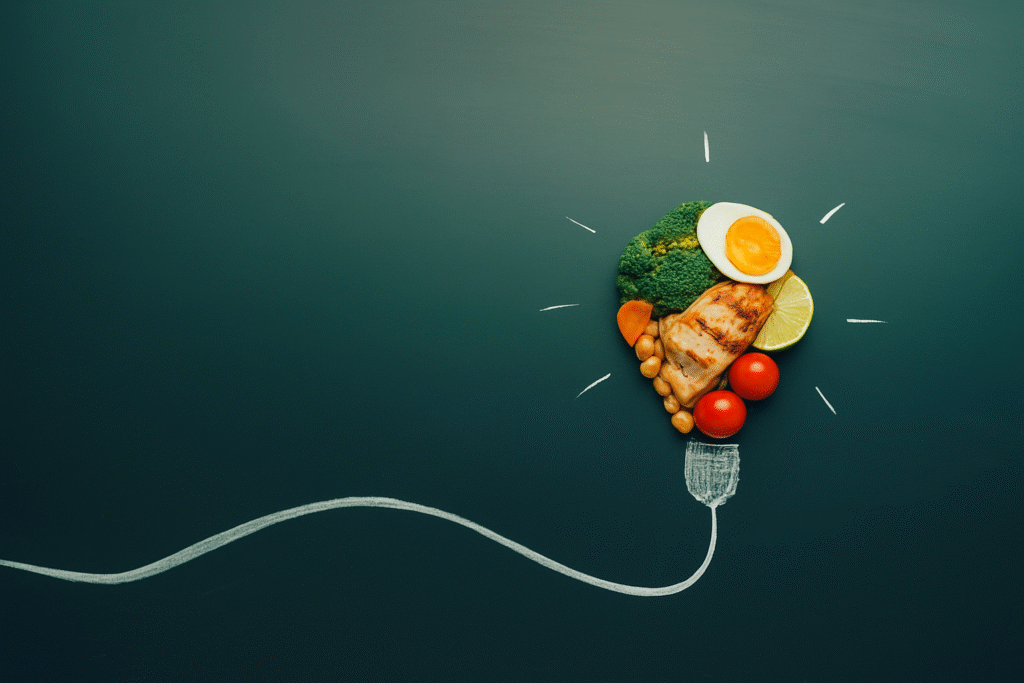
Selenium is naturally present in a variety of foods. Some of the richest sources include Brazil nuts, which are incredibly high in selenium—just a few nuts can fulfill your daily requirements. Other good sources are seafood such as salmon, tuna, and sardines. Meat like beef, chicken, and turkey also contain significant amounts. Eggs, especially the yolks, provide selenium, as do whole grains like brown rice, oats, and whole wheat bread. Legumes like lentils and beans are beneficial too. Incorporating these foods into your daily diet ensures adequate selenium intake.
What Changes Occur in the Body Due to Selenium Deficiency?
A deficiency in selenium can lead to various health issues. It can weaken the immune system, making you more susceptible to infections. It may cause thyroid problems such as hypothyroidism or goiter due to impaired hormone synthesis. Muscle weakness, fatigue, and soreness are common symptoms. Cognitive decline, memory issues, and mental fatigue can also occur. Additionally, low selenium levels increase oxidative stress, raising the risk of chronic diseases like cardiovascular problems and certain cancers. Long-term deficiency severely impacts overall growth, development, and health.
What Are the Risks of Excess Selenium Intake?
Consuming too much selenium, especially from supplements or contaminated food sources, can be toxic. Symptoms of selenium overdose, known as selenosis, include a distinctive garlic odor on the breath, gastrointestinal discomfort such as nausea, vomiting, and diarrhea. Hair loss, brittle nails, and skin rashes are other signs. In severe cases, selenium toxicity can cause nerve damage, kidney, and liver problems. To avoid these risks, it’s important to stick to recommended daily doses and consult healthcare providers before taking supplements.
Which Body Parts Need Selenium Most?
Selenium is particularly important for the thyroid gland, where it supports hormone production and metabolic regulation. It also plays a key role in the immune system, helping white blood cells fight infections. The skin and hair benefit from selenium’s role in promoting healthy growth and preventing hair loss. Furthermore, selenium protects cellular DNA from damage, supporting overall cell health. These parts rely heavily on selenium for their proper functioning.
What Are the Main Benefits of Selenium and Why Is It Important?
Selenium offers numerous health benefits. It acts as a potent antioxidant, reducing oxidative stress and slowing aging. It boosts immune function, helping the body fight infections more effectively. Selenium is crucial for thyroid health, ensuring proper hormone synthesis and metabolic balance. Some studies suggest selenium may help reduce the risk of certain cancers. It also supports heart health by reducing inflammation and protecting tissues from damage. Overall, selenium is vital for maintaining cellular integrity, preventing chronic diseases, and promoting longevity.
How Does Selenium Requirement Vary with Age?
The body’s need for selenium varies with age. Children and adolescents require higher amounts to support rapid growth and development. Adults need selenium to maintain metabolic health, immune defenses, and antioxidant protection. Pregnant and breastfeeding women need increased selenium to support fetal development and milk production. In older adults, selenium helps prevent age-related decline in bone density, cognitive function, and immune response. Meeting age-specific requirements ensures optimal health at every stage of life.
What Happens if Your Diet Has Too Little or Too Much Selenium?
Insufficient selenium intake can weaken the immune system, impair thyroid function, cause muscle weakness, and increase vulnerability to illnesses. Conversely, excessive selenium consumption leads to selenosis, with symptoms like hair loss, brittle nails, gastrointestinal discomfort, and nerve damage. Maintaining a balanced intake through diet and medical guidance is essential for optimal health and avoiding toxicity.
How Does Selenium Interact with Foods and Medications?
Selenium absorption can be influenced by other nutrients. High doses of vitamin C may interfere with selenium absorption, and excess zinc or iron can compete with selenium for absorption in the intestines. Certain medications like antacids and corticosteroids might also alter selenium levels. Overuse of selenium supplements without medical supervision can lead to toxicity. It’s advisable to consult healthcare professionals before making significant changes to your selenium intake, especially if you are on medication.
How Important Is Selenium in Medical Diagnostics and Treatment?
Monitoring selenium levels through blood tests can be important for diagnosing deficiencies or toxicities. Supplementation can improve immune function, support thyroid health, and reduce oxidative stress when deficiency is identified. In cases of toxicity, reducing intake and applying chelation therapy may be necessary. Proper medical oversight ensures safe and effective management of selenium-related health issues, optimizing health outcomes.