What is Omega-6?
Omega-6 fatty acids are essential polyunsaturated fats that our bodies need for optimal health. These fats play a crucial role in brain function, stimulating growth, and maintaining skin and hair health. Like Omega-3, Omega-6 cannot be produced naturally by the body, so we must obtain them through our diet. They are vital for producing signaling molecules called eicosanoids, which regulate inflammation, blood clotting, and other important physiological processes.
What are the Main Sources of Omega-6?
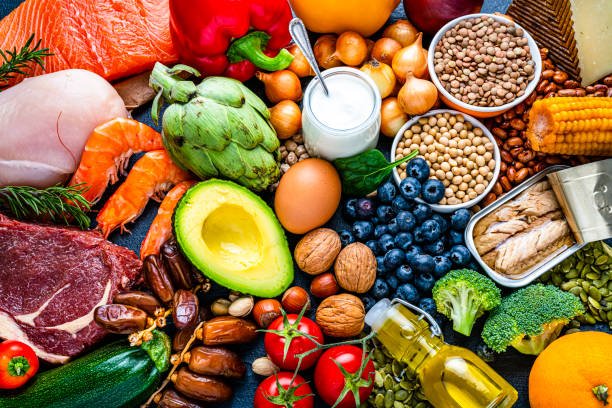
Omega-6 fatty acids are predominantly found in plant-based oils like sunflower oil, corn oil, soybean oil, and cottonseed oil. They are also present in nuts, seeds, and certain processed foods made with these oils. Additionally, some meats and eggs contain small amounts of Omega-6. Using vegetable oils in cooking and adding nuts and seeds to your diet are excellent ways to ensure adequate intake.
How Can I Know If My Body Has Low or High Omega-6 Levels?
Symptoms of Omega-6 deficiency include dry skin, poor wound healing, hair loss, and susceptibility to infections. Conversely, excessive intake can lead to increased inflammation, which is linked to chronic diseases like heart disease and arthritis. Blood tests can measure fatty acid profiles to determine your Omega-6 levels accurately. Monitoring your diet and noticing physical symptoms can also provide clues.
What Problems Arise from Omega-6 Deficiency?
A deficiency in Omega-6 can impair skin health, slow wound healing, and weaken the immune system. Since Omega-6 fatty acids are vital for cell membrane integrity and inflammatory responses, their deficiency might also lead to growth issues and poor neurological development, especially in children. Ensuring adequate intake is essential for overall health and proper bodily functions.
Which Foods Are Richest in Omega-6?
Foods high in Omega-6 include sunflower oil, soybean oil, corn oil, cottonseed oil, walnuts, sunflower seeds, and pumpkin seeds. Many processed snack foods and baked goods also contain these oils. Incorporating these foods into your daily diet can help you meet your Omega-6 requirements naturally.
How Can I Incorporate Omega-6 Into My Diet?
Start by cooking with healthy vegetable oils like sunflower or soybean oil. Add nuts and seeds such as walnuts, pumpkin seeds, or sunflower seeds to your salads, cereals, or snacks. Using processed foods made with Omega-6-rich oils can also boost your intake. Balance is key—aim to include Omega-6 sources alongside Omega-3-rich foods for optimal health.
Is Omega-6 Only Found in Oils or Fats?
While Omega-6 is most abundant in oils and fats, it is also present in nuts, seeds, and certain animal products like eggs and meat. However, the majority of dietary Omega-6 comes from plant-based oils used in cooking and processed foods. It is important to consume these fats in moderation for a balanced intake.
What Are the Risks of Consuming Too Much Omega-6?
Excessive Omega-6 intake can promote inflammation, which is linked to chronic diseases such as heart disease, arthritis, and certain cancers. It can also disturb the balance between Omega-6 and Omega-3 fatty acids, leading to a pro-inflammatory state. Overconsumption from processed foods and fried items is a common cause of high Omega-6 levels, so moderation is essential.
Where Can I Find the Best Sources of Omega-6?
The best sources include natural oils like sunflower, corn, soybean, and cottonseed oil. Nuts like walnuts and seeds such as sunflower and pumpkin seeds are also excellent. Choosing minimally processed foods and cooking with healthier oils can help you access these essential fats reliably.
What Is the Difference Between Omega-6 and Omega-3?
Both are polyunsaturated fats but serve different roles. Omega-3 fatty acids are anti-inflammatory and support brain and heart health, while Omega-6 fatty acids tend to promote inflammation, which is necessary in small amounts for immune responses and healing. An imbalance—too much Omega-6 relative to Omega-3—can lead to chronic inflammation and health issues.
What Are the Long-Term Effects of Omega-6 Deficiency or Excess?
Insufficient Omega-6 can impair skin health, immune function, and growth, especially in children. On the other hand, excess Omega-6 can lead to increased inflammation, raising the risk of heart disease, arthritis, and other chronic illnesses. Maintaining a balanced intake is crucial for overall health and disease prevention.
Does Omega-6 Work with Other Nutrients?
Yes, Omega-6 works synergistically with other nutrients like Vitamin E, which protects fatty acids from oxidation, and Omega-3, which balances inflammation. Consuming a balanced ratio of Omega-6 and Omega-3, along with antioxidants and vitamins, enhances overall health and reduces inflammation.
How Can I Naturally Increase My Omega-6 Levels?
Eat foods rich in Omega-6 such as sunflower seeds, walnuts, and foods cooked with healthy vegetable oils like sunflower or soybean oil. Incorporate nuts, seeds, and certain processed foods made with these oils into your diet regularly. Balance is key—pairing Omega-6 sources with Omega-3-rich foods helps maintain optimal health.
Conclusion
Omega-6 fatty acids are essential for numerous vital functions, including cell growth, immune response, and inflammation regulation. While they are beneficial, consuming them in moderation and balancing them with Omega-3 is vital to avoid chronic inflammation and related health issues. Incorporate natural sources like nuts, seeds, and vegetable oils into your diet carefully to enjoy the benefits of Omega-6 without adverse effects.