Search
Close this search box.

Probiotics: Enhance Your Overall Wellness Today

A variety of probiotic-rich foods like yogurt, kefir, sauerkraut, and kimchi displayed on a table.
Facebook
Twitter
LinkedIn

What are Probiotics, and which foods are rich sources?
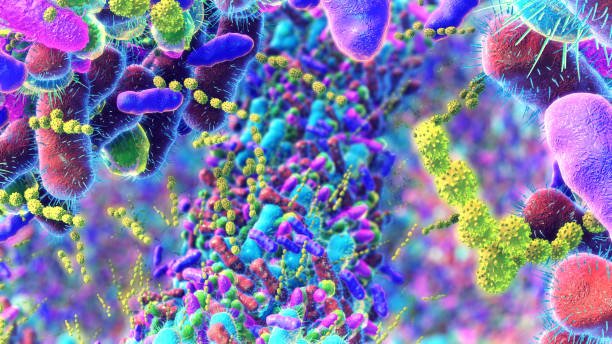
Probiotics are live beneficial bacteria and yeasts that naturally reside in our digestive system. They play a crucial role in maintaining a healthy gut microbiome, which is essential for proper digestion, nutrient absorption, and immune function. Common sources of probiotics include fermented foods like yogurt, kefir, sauerkraut, kimchi, kombucha, miso, and certain cheeses. Additionally, probiotic supplements are also available for targeted health benefits.

How do Probiotics benefit your digestive and overall health?
Probiotics support a balanced gut environment by replenishing good bacteria, which helps prevent and treat digestive issues such as diarrhea, bloating, and constipation. They also enhance nutrient absorption and strengthen the immune system. Beyond digestion, probiotics have been linked to improved mental health, skin health, and reduced inflammation, contributing to overall wellness.

Are Probiotics safe for everyone, or are there precautions?
For most healthy individuals, probiotics are safe and well-tolerated. However, people with weakened immune systems, severe illnesses, or critical health conditions should consult healthcare providers before using probiotic supplements. In rare cases, probiotics may cause mild side effects like gas or bloating initially, but these usually subside quickly.

In which health conditions or situations should you increase or limit Probiotic intake?
Increasing probiotics can be especially beneficial during or after antibiotic treatment, to restore gut flora. Those suffering from inflammatory bowel disease or irritable bowel syndrome may also find probiotics helpful. Conversely, individuals with compromised immune systems or serious illnesses should be cautious and seek medical advice before starting probiotics, as there is a slight risk of infection.

How do Probiotics work inside the body to improve health?
Probiotics work by competing with harmful bacteria for space and nutrients in the gut, producing substances that inhibit pathogenic bacteria, and strengthening the gut barrier. They also help regulate immune responses and produce beneficial compounds like vitamins and short-chain fatty acids, which support gut health and overall immunity.

What is the recommended daily amount of Probiotics for optimal benefits?
While there’s no universal dosage, consuming probiotic-rich foods regularly or taking supplements with at least 1 billion colony-forming units (CFUs) can promote gut health. The ideal amount varies depending on individual health needs, so consulting a healthcare professional is advisable for personalized recommendations.

What is the relationship between Probiotics and gut bacteria?
Probiotics are a subset of the diverse community of bacteria living in your gut. They help maintain a healthy balance of gut microbiota, which is vital for digestion, immune function, and even mental health. A balanced gut microbiome prevents overgrowth of harmful bacteria and supports overall wellness.

Are there any side effects or risks associated with taking Probiotics?
Generally, probiotics are safe for most people. Mild side effects like gas, bloating, or digestive discomfort may occur initially but usually resolve quickly. Rarely, especially in immunocompromised individuals, probiotics can cause infections. Always choose reputable products and consult your doctor if you have underlying health conditions.

How can Probiotics support immunity and prevent infections?
Probiotics stimulate the production of immune cells, enhance the barrier function of the gut lining, and produce antimicrobial substances that inhibit pathogens. This strengthens your body’s natural defenses against infections, reducing the risk of illnesses like diarrhea, respiratory infections, and even some skin conditions.

What lesser-known facts or recent discoveries about Probiotics should you know?
Recent research suggests that probiotics may influence mental health by affecting the gut-brain axis, potentially alleviating anxiety and depression. They also play a role in managing allergies, eczema, and metabolic disorders. The understanding of probiotics is rapidly evolving, revealing their potential in personalized medicine and holistic health.

Rock Salt & Benefits: Why It’s a Natural Treasure

A large chunk of natural rock salt with visible crystalline structure on a wooden surface.
Facebook
Twitter
LinkedIn

What Is Rock Salt?

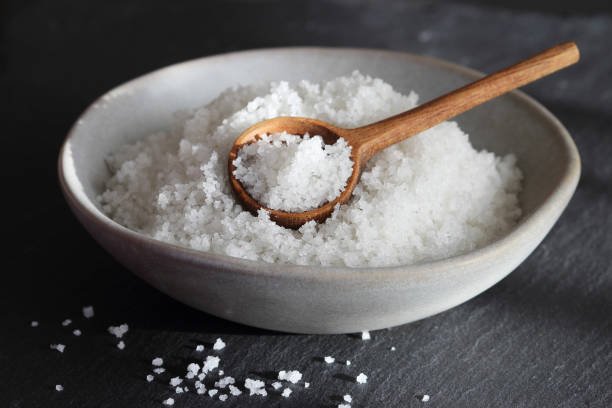
Rock Salt, also known as mineral or halite, is a naturally occurring crystalline mineral composed primarily of sodium chloride (NaCl). It forms through the evaporation of seawater or saline lakes over thousands of years. Unlike refined table salt, rock salt is coarse, unprocessed, and often used in various industrial, culinary, and medicinal applications.

What Is the Composition of Rock Salt?

The main component of rock salt is sodium chloride (NaCl). It contains large crystals of salt along with trace minerals like calcium, magnesium, and potassium, depending on its source. These minerals can give rock salt a slightly different color and mineral content compared to processed table salt.

Where Can You Find Rock Salt?

Rock salt deposits are found in many parts of the world, including underground salt mines and salt flats. Countries like the USA, India, China, and Germany are major producers. It is mined extensively for industrial use, de-icing roads in winter, and sometimes for culinary purposes.

What Are the Uses of Rock Salt?

Rock salt has a wide range of applications:

  • Industrial: Used in the manufacture of chemicals, textiles, and glass.
  • De-icing: Spread on roads and walkways during winter to melt ice.
  • Culinary: Used in salt grinders, for seasoning, and in salt caves for therapy.
  • Medicinal: Used in salt therapy rooms and for some traditional treatments.
  • Preservation: Used for curing meats and preserving foods.

How Does Rock Salt Work?

In industrial and de-icing applications, rock salt works by lowering the freezing point of water, effectively melting ice and snow. When used in cooking or salt caves, its coarse texture and mineral content provide unique flavor and health benefits. Its ability to draw moisture and inhibit bacterial growth makes it an effective preservative.

How Important Is Rock Salt?

Rock salt is crucial in many industries and environmental applications. It helps keep roads safe in winter, supports chemical manufacturing, and is valued in holistic health practices like salt therapy. Its natural mineral content also offers potential health benefits in alternative medicine.

What Happens if You Use Too Little or Too Much Rock Salt?

Using too little rock salt in cooking or preservation might result in bland flavors or spoiled foods. Overuse, especially in de-icing or industrial settings, can cause environmental harm and health issues due to excessive mineral intake or runoff.

Why Do Rock Salt Deficiencies Occur?

Rock salt deficiency is rare since it is abundant in nature. However, in specific health treatments like salt therapy, inadequate exposure to salt caves or mineral-rich environments might limit benefits.

What Are the Signs of Too Little or Too Much Rock Salt?

Deficiency signs include muscle cramps or dehydration, while excessive intake can lead to high blood pressure, kidney strain, or other health problems. In environmental contexts, overuse during de-icing can cause water and soil contamination.

Is Rock Salt a Natural Ingredient?

Yes, rock salt is a natural mineral formed over millions of years and is mined directly from the earth. It undergoes minimal processing compared to refined table salt.

Is Rock Salt Healthy?

In moderation, rock salt can provide essential minerals and support respiratory health when used in salt therapy. However, excessive consumption can be harmful, especially for individuals with hypertension or kidney issues.

Is Rock Salt Harmful?

Excessive intake or improper use of rock salt can be harmful, leading to health problems like high blood pressure. Environmental overuse, such as in de-icing, can also cause ecological harm.

Does Rock Salt Help in Weight Loss?

There is limited scientific evidence to suggest that rock salt directly aids in weight loss. However, some believe that salt therapy and mineral-rich environments can improve overall well-being, which might support weight management indirectly.

Conclusion

Rock salt is a versatile, natural mineral with significant industrial, medicinal, and culinary uses. Its mineral content and natural formation make it unique. While beneficial when used properly, overuse or misuse can pose health and environmental risks. Responsible consumption and application are essential for harnessing its benefits safely.
Leave a Comment

Your email address will not be published. Required fields are marked *

Scroll to Top