What Is Polyphenols and Why Is It Important or Harmful to the Body?
Polyphenols are a large group of naturally occurring phytochemicals found mainly in plants. They are responsible for the vibrant colors, flavors, and health benefits of many fruits, vegetables, teas, spices, and nuts. These compounds are known for their strong antioxidant properties, which help neutralize free radicals—unstable molecules that can cause cell damage and contribute to aging and numerous diseases. Polyphenols are important because they help reduce inflammation, support cardiovascular health, and protect against chronic illnesses like cancer, diabetes, and heart disease. Generally, they are safe and beneficial when consumed through a balanced diet. However, excessive intake, especially from supplements, might cause minor side effects such as gastrointestinal discomfort or allergic reactions in sensitive individuals.
Which Foods or Beverages Contain Polyphenols?
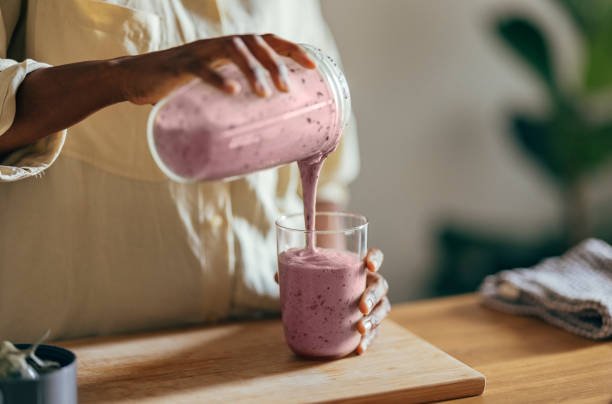
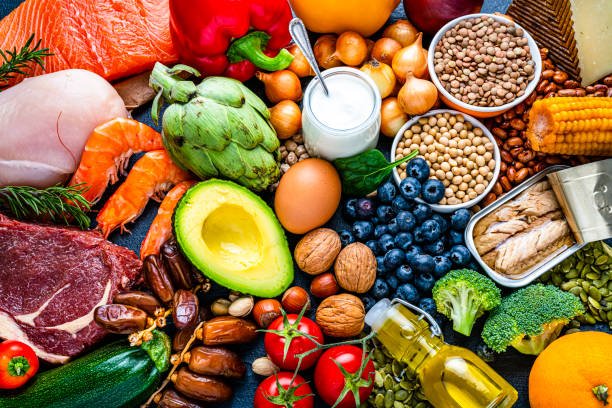
Polyphenols are found abundantly in many common foods and drinks. Berries such as blueberries, strawberries, and blackberries are rich sources. Tea—especially green, black, and oolong—are well-known for their high polyphenol content. Dark chocolate and cacao are also excellent sources. Fruits like apples, grapes, pomegranates, and cherries contain notable amounts of polyphenols. Vegetables such as spinach, onions, broccoli, and kale contribute significantly. Spices like cinnamon, turmeric, and cloves are surprisingly high in polyphenols. Nuts, seeds, and extra virgin olive oil also contain beneficial levels. Consuming a colorful variety of these foods regularly can naturally increase your polyphenol intake and support your overall health.
How Important Are Polyphenols for Our Health? What Are Their Benefits?
Polyphenols are vital for maintaining good health due to their powerful antioxidant and anti-inflammatory effects. They help combat oxidative stress, which is linked to aging and many chronic diseases. Polyphenols support heart health by improving blood vessel function, lowering blood pressure, and reducing bad cholesterol levels. They also boost the immune system, reduce inflammation, and protect cells from damage. Furthermore, polyphenols may improve brain health, supporting memory and cognitive function, and potentially lowering the risk of neurodegenerative diseases such as Alzheimer’s. Regular intake of polyphenol-rich foods can also improve skin health, aid in weight management, and extend lifespan.
Which Diseases Can Polyphenols Help Prevent or Manage?
Research suggests that polyphenols can help prevent or manage several health conditions. They are known to reduce the risk of cardiovascular diseases by preventing plaque buildup, lowering blood pressure, and improving lipid profiles. Polyphenols exhibit anti-cancer properties by inhibiting tumor growth and supporting apoptosis (programmed cell death) in abnormal cells. They also help in managing diabetes by improving insulin sensitivity and blood sugar control. Additionally, their neuroprotective effects may lower the risk of neurodegenerative diseases like Alzheimer’s and Parkinson’s. Their anti-inflammatory properties are beneficial against arthritis and other chronic inflammatory conditions.
Can Excessive Consumption of Polyphenols Cause Side Effects?
While polyphenols are generally safe and beneficial, consuming them in excessive amounts—especially from concentrated supplements—can lead to minor side effects. These may include gastrointestinal issues like bloating, gas, or diarrhea. Very high doses might interfere with mineral absorption or interact with certain medications. Some individuals could experience allergic reactions or sensitivities, such as headaches or skin irritation. Therefore, moderation is essential; incorporating polyphenol-rich foods into a balanced diet is the best way to enjoy their benefits without risking adverse effects.
How Do Polyphenols Work Inside the Body?
Inside the body, polyphenols primarily act as antioxidants. They neutralize free radicals—unstable molecules that damage cells and tissues—reducing oxidative stress. This action helps prevent the development of chronic diseases. Polyphenols also modulate cell signaling pathways involved in inflammation, cell growth, and apoptosis (programmed cell death). This regulation supports cellular health, prevents abnormal growth, and boosts the immune response. Their anti-inflammatory and detoxifying effects further contribute to overall health and disease resistance.
How Much Polyphenols Should We Consume Daily for Health Benefits?
There is no official daily recommended intake for polyphenols, but it is advisable to consume a variety of plant-based foods daily. On average, a daily intake of around 500 mg to 1 gram of polyphenols is considered beneficial for health. This can be achieved by eating a colorful mix of fruits, vegetables, nuts, seeds, and drinking teas like green or black tea regularly. The key is consistency—regular consumption of polyphenol-rich foods helps maintain antioxidant levels and reduces disease risk.
What Is the Relationship Between Polyphenols and Antioxidants?
Polyphenols are a major class of natural antioxidants. They help protect cells from oxidative damage by scavenging free radicals—unstable molecules that cause aging and disease. Their antioxidant activity is a primary reason why polyphenols are associated with reduced risks of cardiovascular disease, cancer, and neurodegeneration. While antioxidants include many different compounds, polyphenols are particularly effective because of their chemical structure, which allows them to neutralize multiple free radicals efficiently.
Are Polyphenols Only Beneficial, or Do They Have Any Harmful Effects?
Generally, polyphenols are highly beneficial and safe when consumed through a balanced diet. However, in very high doses—particularly from supplements—they may cause minor issues like gastrointestinal discomfort or allergic reactions. Some individuals might experience sensitivities, and very high intake could interfere with mineral absorption or hormone function. It’s important to consume polyphenols within moderation and as part of a diverse diet to maximize benefits and minimize potential risks.
How Can Polyphenols Effectively Impact the Body?
Polyphenols primarily influence health by their antioxidant and anti-inflammatory actions. They help reduce oxidative stress, lower inflammation, improve blood vessel function, and support cellular repair. These effects collectively lower the risk of cardiovascular diseases, support immune health, slow aging, and may even protect against certain cancers and neurodegenerative diseases. Their ability to modulate cellular signaling pathways makes them powerful allies in promoting long-term health and well-being.