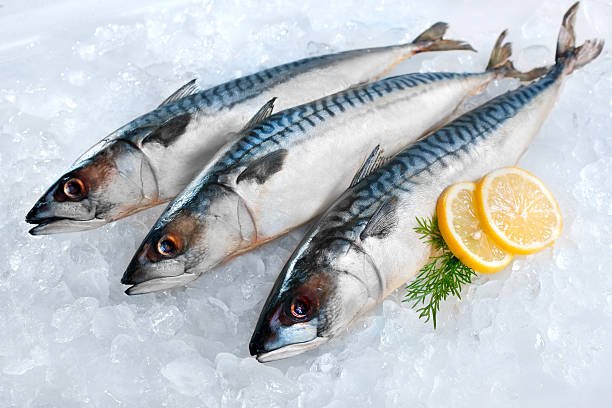
What is Tuna? What is its Scientific Name?
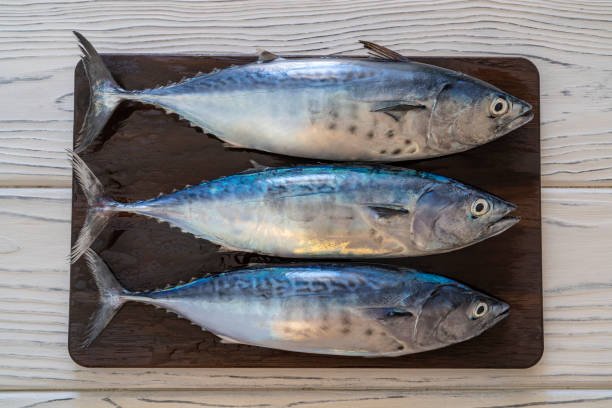
Tuna is a large, fast-swimming saltwater fish known for its firm, meaty flesh and distinctive taste. It belongs to the genus Thunnus, with common species including Thunnus albacares (yellowfin tuna), Thunnus thynnus (Atlantic bluefin tuna), and Thunnus orientalis (Pacific bluefin tuna). Tuna is one of the most popular fish worldwide, especially prized for its nutritional value and culinary versatility.
History and Origin of Tuna
Tuna has been an essential part of human diets for centuries, especially in coastal regions of the Mediterranean, Japan, and the Pacific. Ancient civilizations like the Romans and Japanese have long valued tuna for its richness and abundance. Over time, tuna fishing evolved from traditional methods to large-scale commercial fishing and aquaculture, making it a staple in global seafood markets.
Nutritional Benefits of 100 grams of Tuna Fish
A 100-gram serving of tuna provides an impressive profile of nutrients:
- Calories: About 132 kcal — provides energy without excess fat.
- High-Quality Protein: 23-25 grams — vital for muscle building, repair, and overall bodily functions.
- Omega-3 Fatty Acids: Around 1.5 grams — supports brain health, reduces inflammation, and promotes cardiovascular health.
- Vitamins:
- Vitamin D: Essential for bone health and immune support.
- Vitamin B12: Critical for nerve function and red blood cell formation.
- Niacin and B6: Help convert food into energy and maintain skin and nerve health.
- Minerals:
- Selenium: Acts as an antioxidant, protecting cells from damage.
- Magnesium: Supports muscle and nerve functions.
- Potassium: Helps regulate blood pressure and fluid balance.
- Phosphorus: Strengthens bones and teeth.
What Are the Health Benefits of Tuna?
Eating tuna regularly can improve your overall health:
- Supports Heart Health: Rich in omega-3s, which help lower bad cholesterol and blood pressure.
- Enhances Brain Function: DHA and EPA support cognitive health and reduce Alzheimer’s risk.
- Reduces Inflammation: Anti-inflammatory properties help manage chronic conditions like arthritis.
- Boosts Immunity: Contains vitamin D and selenium that strengthen immune defenses.
- Aids in Weight Management: High in protein, which promotes satiety and helps in muscle maintenance.
What Are the Different Types of Tuna?
Tuna varieties include:
- Yellowfin Tuna (Thunnus albacares): Known for its tender, pink flesh, popular in sushi and steaks.
- Bluefin Tuna (Thunnus thynnus): Highly prized, especially in Japan, with rich, fatty meat.
- Albacore Tuna: Known as “white tuna,” used in canned tuna products.
- Skipjack Tuna: Smaller, with a stronger flavor, often used in canned products.
Where Are the Best Sources of Tuna?
The top tuna-producing regions include:
- Japan: Leading in tuna consumption, especially for sashimi and sushi.
- Mediterranean countries like Spain and Italy: Known for high-quality canned and fresh tuna.
- Australia and New Zealand: Noted for sustainable tuna fisheries.
- United States: Major importer and consumer, with significant tuna fishing off the coasts.
What Is the Price Range of Tuna?
The cost varies depending on the type and quality:
- Fresh tuna steaks: Usually range from $15 to $30 per pound.
- Canned tuna: More affordable, typically $1 to $3 per can.
- Premium bluefin tuna: Can fetch hundreds of dollars per kilogram in specialty markets.
How Should Tuna Be Stored?
- Fresh tuna: Keep in the coldest part of the refrigerator, ideally at or below 4°C (39°F), and consume within 1-2 days.
- Frozen tuna: Store in airtight packaging or vacuum-sealed, and use within 3-6 months for best quality.
- Thaw gradually in the refrigerator before cooking.
What Does Tuna Taste Like?
Tuna has a mild, meaty flavor with a firm, flaky texture. Fresh tuna is sweet and oceanic, making it a favorite for raw preparations like sashimi and sushi, as well as grilled steaks and salads.
Is Tuna the Most Nutritious Fish?
Tuna is considered highly nutritious due to its high protein content, omega-3 fatty acids, and vitamins. While other oily fish like salmon are also rich in omega-3s, tuna’s lean profile makes it especially popular for health-conscious diets.
Is Cod Liver Oil Made From Tuna?
No, cod liver oil is derived specifically from the livers of cod fish, not tuna. It is a concentrated supplement rich in omega-3s, vitamin A, and vitamin D.
How Does Frozen Tuna Compare to Fresh?
Frozen tuna, if properly frozen immediately after catch, maintains most of its nutrients and freshness. It can be just as nutritious as fresh tuna, with the added benefit of longer storage. Always ensure proper thawing before cooking to preserve texture and flavor.
Does Eating Tuna Boost Disease Resistance?
Yes, the omega-3 fatty acids, vitamins, and minerals in tuna support immune function, fight inflammation, and help your body defend against illnesses.
Which Country Produces the Most Tuna?
Thailand, Indonesia, and the Philippines are leading tuna producers, especially for canned tuna and aquaculture.
Which Country Consumes the Most Tuna?
Japan is the world’s largest consumer, where tuna is a staple in sushi and sashimi. The United States and Mediterranean countries also have high consumption levels.
Which Country Is the Largest Commercial Producer of Tuna?
Thailand and Indonesia are among the top producers and exporters of canned tuna, with large-scale fishing fleets and processing industries.
Where Is Tuna Most Popular to Eat?
Tuna is especially popular in Japan, the United States, Spain, and Italy, featuring prominently in sushi, sashimi, grilled steaks, and salads.
Conclusion
Tuna fish is a nutritional powerhouse packed with high-quality protein, omega-3 fatty acids, and essential vitamins and minerals. Its delicious taste, versatility in cooking, and health benefits make it a must-have in a balanced diet. Whether fresh or canned, sustainably sourced or farmed, tuna continues to be a favorite choice for seafood lovers worldwide.