Pollock: Sustainable & Ethically Sourced Fish
What is Pollock? What is its Scientific Name?
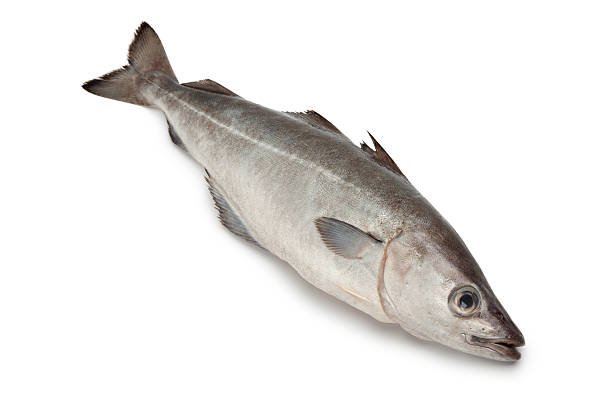
Pollock is a species of white fish belonging to the cod family, known for its mild flavor and flaky texture. The most common species include Gadus chalcogrammus (Alaska Pollock) and Gadus morhua (Atlantic Pollock). It is widely used in processed seafood products and is prized for its affordability and versatility.
History and Origin of Pollock
Pollock has a long history as a staple in North American and European fisheries. Native to the North Pacific and North Atlantic Oceans, it has become a major species for commercial fishing and fish processing. Its popularity surged with the rise of fish fillet products like fish sticks and imitation crab meat, making it a household favorite worldwide.

Nutritional Benefits of 100 grams of Pollock
A 100-gram serving of pollock provides a wealth of nutrients:
- Calories: About 105 kcal — low in calories but high in protein.
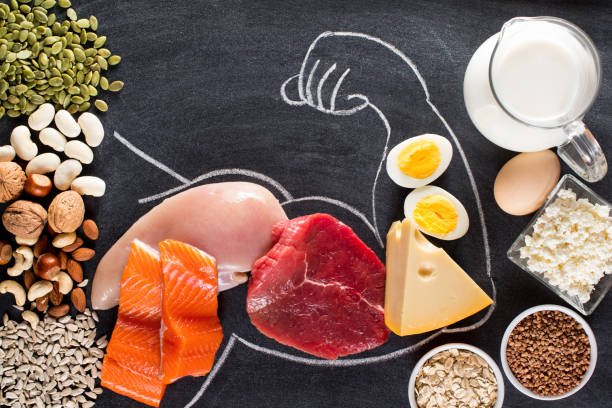
- High-Quality Protein: 23 grams — essential for muscle building and repair.
- Omega-3 Fatty Acids: Around 0.3-0.5 grams — supports heart and brain health.
- Vitamins:
- Vitamin D: Supports bones and immune health.
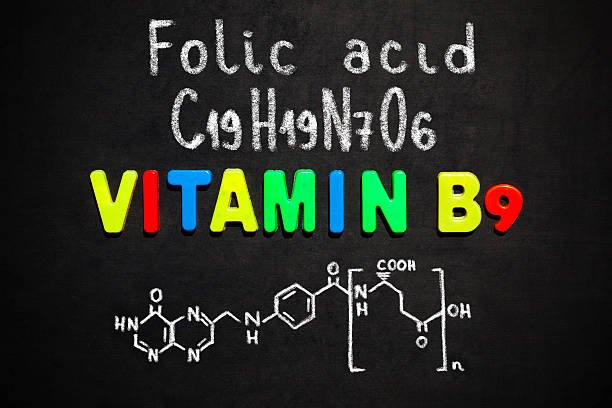
- Vitamin B12: Important for nerve health and red blood cell production.
- Niacin and B6: Aid in energy metabolism.
- Minerals:
- Selenium: Acts as an antioxidant, protecting cells.
- Phosphorus: Supports bones and energy production.
- Magnesium and Potassium: Support nerve and muscle functions.
What Are the Health Benefits of Pollock?
Including pollock in your diet can offer many health benefits:
- Supports Heart Health: Its omega-3s help lower triglycerides and reduce inflammation.
- Supports Muscle Growth: Thanks to its high-quality protein content.
- Boosts Immune Function: With vitamins D and B12.
- Supports Bone & Joint Health: Due to phosphorus and magnesium.
- Affordable & Easy to Prepare: Making it accessible for everyday meals.
What Are the Different Types of Pollock?
- Alaska Pollock (Gadus chalcogrammus): The most widely farmed and processed, especially in North America.
- Atlantic Pollock (Gadus morhua): Found in colder Atlantic waters, with a similar flavor profile.
Where Are the Best Sources of Pollock?
Top regions include:
- United States: Particularly Alaska, where it is sustainably fished.
- Russia: Major supplier of wild pollock.
- Norway and Iceland: Key European sources.
What Is the Price Range of Pollock?
- Fresh pollock: Usually costs between $3 to $6 per pound.
- Frozen pollock: Similar or slightly less, often sold in bulk or as processed products.
- Processed pollock: Commonly used in fish sticks, imitation crab, and other products.
How Should Pollock Be Stored?
- Fresh pollock: Keep refrigerated at or below 4°C (39°F), best consumed within 1-2 days.
- Frozen pollock: Store in airtight packaging and use within 6-12 months for best quality.
- Cooked pollock: Refrigerate and consume within 2 days.
What Does Pollock Taste Like?
Pollock has a mild, slightly sweet flavor with a tender, flaky texture. Its neutral taste makes it perfect for baking, frying, steaming, or grilling, and it absorbs flavors well.
Is Pollock the Most Nutritious Fish?
While not the highest in omega-3s like oily fish such as salmon, pollock still provides a great source of lean protein, vitamins, and minerals, making it a nutritious and affordable seafood choice.
Is Fish Oil Made From Pollock?
Yes, fish oil is often derived from pollock, especially from Alaskan Pollock, which is a major source of omega-3 supplements.
How Does Frozen Pollock Compare to Fresh?
Properly frozen pollock retains most of its nutrients and flavor, making it a convenient and nutritious alternative to fresh.
Does Eating Pollock Boost Disease Resistance?
Yes, thanks to its vitamins D and B12, as well as omega-3s, pollock can support immune health and reduce inflammation.
Which Country Produces the Most Pollock?
The United States (Alaska), Russia, and China are the leading producers and exporters of pollock.
Which Country Consumes the Most Pollock?
The United States, especially in the form of processed seafood products, and Russia have high consumption rates.
Which Country Is the Largest Commercial Producer of Pollock?
Alaska (USA), Russia, and China are the top producers, focusing on sustainable fisheries.
Where Is Pollock Most Popular to Eat?
Pollock is popular in North America, Europe, and Asian cuisines, especially in processed foods like fish sticks, imitation crab, and fillets.
Conclusion
Pollock is a nutritious, affordable, and versatile fish rich in lean protein and omega-3s. Its mild flavor and flaky texture make it a popular choice for healthy, quick, and delicious meals. Its widespread availability and sustainability make pollock an excellent seafood option for all.
Related
Learn More
Calcium & Sources: How to Boost Your Daily Intake
What Is Calcium?
Calcium is a vital mineral essential for maintaining strong bones and teeth, supporting nerve function, muscle contraction, and blood clotting. It is the most abundant mineral in the human body, making up about 1.5% of total body weight. Without adequate calcium, our body cannot perform these critical functions properly.
What Is Calcium Made Of?
Calcium is a chemical element with the symbol Ca and atomic number 20. In the human body, it exists in the form of calcium salts within bones and teeth, providing structure and strength. It also circulates in the bloodstream, participating in various physiological processes.
Where Is Calcium Found?
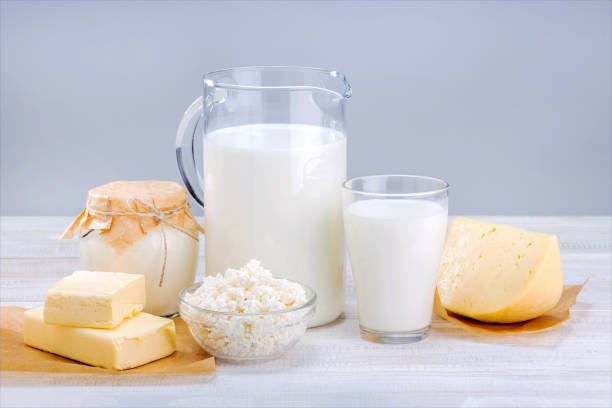
Calcium is naturally found in many foods, especially dairy products like milk, cheese, and yogurt. It is also present in leafy green vegetables (like spinach and kale), almonds, sesame seeds, fish (like salmon and sardines), and fortified foods such as cereals and plant-based milk. Additionally, calcium supplements are available for those who need extra intake.
Does Calcium Make Our Bones and Teeth Strong?
Absolutely! Calcium is the primary building block of bones and teeth. About 99% of the body’s calcium is stored in these structures, giving them strength and density. Adequate calcium intake during childhood, adolescence, and early adulthood is crucial for developing a strong skeletal system.
How Important Is Calcium?
Calcium is extremely important for overall health. It supports bone density, prevents osteoporosis, helps in muscle function, facilitates nerve signal transmission, and is vital for blood clotting. Maintaining optimal calcium levels is essential for both children and adults to prevent health issues.
What Happens If Calcium Is Deficient?
A deficiency in calcium can lead to weakened bones, increased risk of fractures, and conditions like osteoporosis. In children, calcium deficiency can impair growth and development. Symptoms like muscle cramps, numbness, and abnormal heart rhythms may also appear with severe deficiency.
What Are the Signs of Too Little or Too Much Calcium?
Low calcium symptoms include muscle cramps, tingling in fingers, fatigue, and brittle bones. Excess calcium, often from supplements, can cause kidney stones, constipation, and interfere with the absorption of other minerals. It may also lead to abnormal heart rhythms.
How Can You Fill the Calcium Gap?
To address calcium deficiency, include calcium-rich foods in your diet, such as dairy, leafy greens, and fortified products. Supplements can be taken if recommended by a healthcare provider. Additionally, vitamin D helps calcium absorption, so ensure adequate sunlight exposure or supplements if needed.
How Is Calcium Made or Produced?
Calcium is a naturally occurring mineral obtained from rocks and minerals like limestone, which is processed to produce calcium carbonate and other supplements used in food fortification and medicine.
Is Calcium a Natural Ingredient?
Yes, calcium is a naturally occurring mineral found in the earth’s crust and in many foods. It has been part of the human diet for thousands of years, primarily through dairy and plant-based sources.
Is Calcium Suitable for All Ages?
Yes! Calcium is essential for all age groups. Children need it for growth, teenagers for bone development, adults for maintaining bone density, and older adults to prevent osteoporosis. Adequate calcium intake benefits everyone.
Is Calcium Beneficial for Children?
Absolutely! Calcium is crucial for children’s growth, bone development, and overall health. Adequate calcium intake during childhood and adolescence builds a strong skeletal foundation for lifelong health.
Conclusion
Calcium is an indispensable mineral vital for maintaining healthy bones, teeth, and overall bodily functions. Ensuring sufficient calcium intake through diet or supplements, along with vitamin D, helps prevent deficiency-related health issues like osteoporosis and supports growth and development at every age.
FAQs:(Frequently Asked Questions)
Is Calcium Harmful for Diabetes?
Calcium itself is not harmful for diabetics and may even support overall health. However, excessive calcium intake from supplements should be avoided, as it can cause other health issues. Always consult a healthcare provider for personalized advice.
Are There Alternatives to Calcium?
Yes, plant-based sources like kale, broccoli, almonds, and fortified plant milks are good alternatives. Vitamin D also plays a critical role in calcium absorption, so maintaining optimal vitamin D levels is essential.
Does Calcium Help in Weight Loss?
Calcium alone does not directly cause weight loss. However, some studies suggest that adequate calcium intake may help regulate appetite and fat metabolism, supporting a healthy weight when combined with proper diet and exercise.