What is Pineapple? Scientific Name and Historical Origin
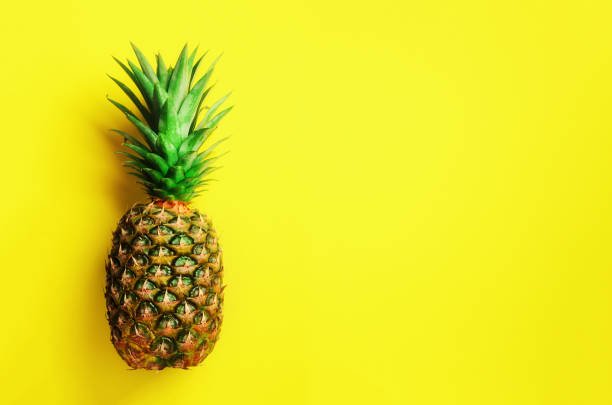
Pineapple, scientifically known as Ananas comosus, is a tropical plant native to South America, particularly the region between southern Brazil and Paraguay. Indigenous peoples cultivated pineapples long before Spanish and Portuguese explorers spread the fruit throughout the world in the 15th and 16th centuries. Today, pineapple is grown in tropical and subtropical regions worldwide, including Southeast Asia, Africa, Central America, and Hawaii. Its unique appearance—with spiky skin, sweet aroma, and golden flesh—has made it a symbol of hospitality and celebration in many cultures.
How Many Types of Pineapple Are There?
There are several popular varieties of pineapple grown and enjoyed globally:
- Smooth Cayenne: Most common, juicy and sweet, perfect for eating fresh or juicing.
- Queen: Small, fragrant, and very flavorful, often eaten fresh.
- Red Spanish: Firm and mildly sweet, commonly grown in the Caribbean.
- Sugarloaf: Sweeter, less acidic, and pale in color.
- Pernambuco: Popular in Brazil, delicate flavor.
Each variety offers a unique taste, texture, and best use—whether eaten fresh, juiced, or used in cooking and desserts.

Pineapple Nutrition Facts: All Nutrients in 100 Grams
In every 100 grams of pineapple, you get:
- Calories: 50 kcal
- Water: 86%
- Protein: 0.5 g
- Carbohydrates: 13.1 g
- Sugar: 9.9 g
- Dietary Fiber: 1.4 g
- Fat: 0.1 g
- Vitamin C: 47.8 mg (about 80% of daily needs)
- Potassium: 109 mg
- Calcium: 13 mg
- Magnesium: 12 mg
- Vitamin A, B6, Folate
- Enzymes & Antioxidants: Bromelain, beta-carotene, flavonoids
This powerful nutrient profile makes pineapple a top pick for health and hydration.
Why Is Eating Pineapple Good for You?
Pineapple is loaded with vitamin C, manganese, and unique digestive enzymes like bromelain. These nutrients support immune function, help your body heal, and reduce inflammation. The antioxidants present in pineapple protect your cells from damage and slow down aging. Bromelain, in particular, aids digestion by breaking down proteins and may help reduce pain and swelling. Pineapple’s natural sweetness and fiber content make it a satisfying, low-calorie snack that supports gut health and keeps you feeling full. Regularly enjoying pineapple can boost your health, energy, and mood—all with a delicious tropical twist.
7 Proven Health Benefits of Pineapple
- Boosts immunity with high vitamin C
- Supports healthy digestion with bromelain
- Promotes glowing skin and tissue repair
- Reduces inflammation and joint pain
- Aids in weight management with low calories
- Supports bone health with manganese
- May help prevent chronic diseases with antioxidants
How Much Pineapple Should You Eat Daily?
For most adults, one cup of fresh pineapple (about 150 grams) a day is a healthy serving. This provides plenty of vitamin C, fiber, and other nutrients without excess sugar. If you have a sensitive stomach, start with smaller portions—pineapple’s acidity and bromelain can cause discomfort if overeaten. Children can enjoy half a cup. As part of a balanced diet, pineapple is safe and beneficial for regular consumption.
The Best Way to Eat Pineapple
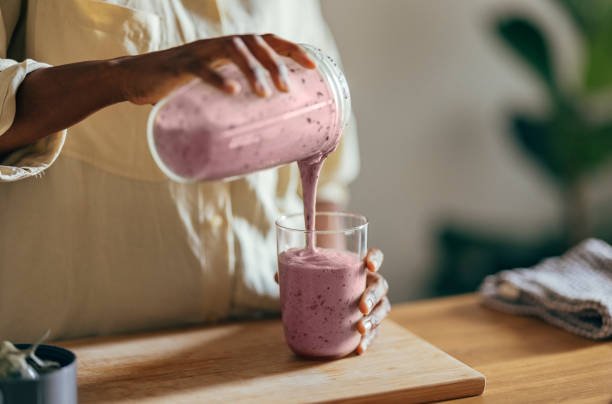
The best way to enjoy pineapple is fresh and ripe. Peel and core the pineapple, then slice or cube the flesh for snacking, fruit salads, or desserts. Pineapple can be blended into smoothies, grilled for a caramelized treat, or added to salsa and savory dishes for a sweet-tart twist. Canned pineapple is convenient but often comes in syrup—choose pineapple canned in juice or water for a healthier option. Pineapple juice is delicious, but whole fruit is better for fiber and fullness.
How to Store Pineapple for Maximum Freshness
- Store whole, uncut pineapple at room temperature for 1-2 days to ripen.
- Once ripe, refrigerate whole pineapple or cut it into pieces and store in an airtight container in the fridge for up to 5 days.
- Avoid keeping cut pineapple at room temperature to prevent spoilage.
- For longer storage, pineapple chunks can be frozen and used in smoothies or desserts.
Proper storage preserves pineapple’s juicy texture and tropical flavor.
When Is the Best Time to Eat Pineapple?
Pineapple can be enjoyed at any time—breakfast, snack, or dessert. Many people love it in the morning for a vitamin C boost and digestive support. It’s also hydrating after workouts or as a refreshing midday snack. Pineapple’s natural enzymes can help with digestion after meals. Just listen to your body and enjoy pineapple when you crave something sweet and healthy.
Does Eating Pineapple Cause Weight Gain or Support Weight Loss?
Pineapple is ideal for weight management. Its high water and fiber content help you feel full, while natural sugars provide energy without excess calories. Eating pineapple instead of sugary desserts can help satisfy sweet cravings in a healthier way. Just stick to whole pineapple or juice in moderation; avoid canned pineapple in syrup to limit added sugars.
Which Pineapple is Best for Diabetics?
All fresh pineapple varieties are suitable for diabetics when eaten in moderation. Pineapple has a moderate glycemic index, and fiber in the whole fruit slows sugar absorption. Smooth Cayenne and Queen are both good options. Avoid large servings and opt for fresh pineapple over juice or canned varieties with added sugars. Diabetics should monitor blood sugar and consult a doctor for individual advice.
Which Diseases or Conditions Benefit from Eating Pineapple?
- Strengthens immunity and helps fight infections
- Supports digestion and gut health
- Reduces inflammation and symptoms of arthritis
- Aids wound healing and tissue repair
- Supports bone strength
- May lower risk of chronic diseases due to antioxidants
Pineapple is a natural way to support your body’s health and healing.
Pineapple Production: Leading Countries and Global Popularity
Costa Rica is the world’s leading pineapple producer, followed by the Philippines, Thailand, India, and Indonesia. Pineapple is grown in more than 80 tropical countries and is popular worldwide for its taste, versatility, and nutritional value. From breakfast tables to party platters, pineapple has a cherished place in global cuisine and culture.
Pineapple Demand, Price Trends, and Market Insights
- Demand for pineapple peaks in summer, thanks to its refreshing quality.
- Prices are highest at the start of the season and lower during peak harvest.
- Weather, transport, and export policies affect availability and price.
- Processed pineapple (juice, canned) also influences market trends.
- Off-season or imported pineapples may be costlier but are often available year-round.
Knowing the season helps you get the juiciest pineapples at the best price.
Conclusion
Pineapple is more than just a delicious tropical fruit—it’s a natural source of vitamins, enzymes, and antioxidants that boost your health and delight your taste buds. Regularly eating pineapple supports your immunity, digestion, skin, and bone health, making it a smart choice for any diet. Its versatility, affordability, and year-round availability make pineapple a staple for healthy living. Add pineapple to your daily meals and enjoy the benefits of this golden, juicy superfruit!