What is Cod? What is its Scientific Name?
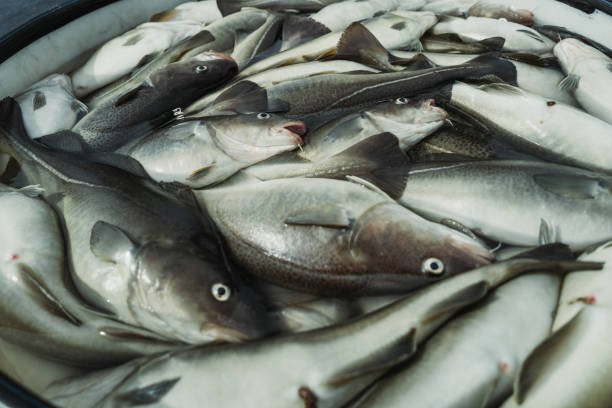
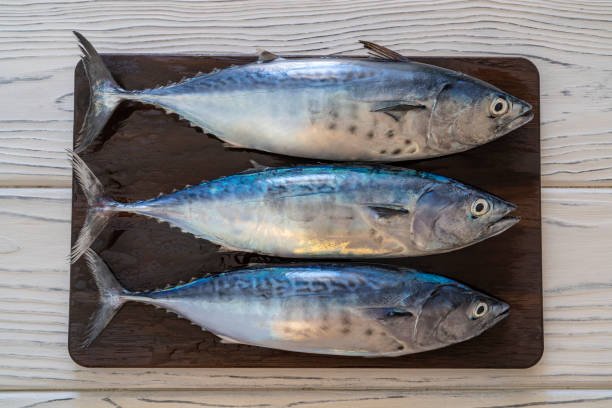
Cod is a popular white, flaky fish known for its mild flavor and tender texture. The scientific name of Atlantic cod is Gadus morhua. It is widely caught in the North Atlantic Ocean and is a staple in many cuisines around the world, especially in Europe and North America.
History and Origin of Cod
Cod has been an essential part of human diets for centuries. Historically, cod fishing was a major industry in regions like Newfoundland, Norway, and Iceland. The fish was traditionally preserved through drying and salting, which allowed for long-term storage and trade. Today, cod remains one of the most consumed and valued fish globally.
Nutritional Benefits of 100 grams of Cod Fish
A 100-gram serving of cod provides a wealth of nutrients:
- Calories: About 82 kcal — a low-calorie source of protein suitable for weight management.
- High-Quality Protein: 18-20 grams — supports muscle growth, tissue repair, and overall health.
- Vitamins:
- Vitamin B12: Essential for nerve health and red blood cell production.
- Vitamin B6: Helps in energy metabolism and brain health.
- Niacin (Vitamin B3): Supports skin health and energy production.
- Vitamin D: Aids in calcium absorption and bone strength.
- Minerals:
- Phosphorus: Supports strong bones and teeth.
- Selenium: Acts as an antioxidant, protecting cells from damage.
- Iodine: Important for thyroid function and hormone regulation.
- Magnesium: Supports nerve and muscle functions.
What Are the Health Benefits of Cod?
Regular intake of cod can contribute to overall health:
- Supports Heart Health: Low in fat and high in omega-3s, which help reduce blood pressure and cholesterol.
- Boosts Brain Function: Rich in B vitamins and omega-3s that support cognitive health.
- Helps Maintain Healthy Weight: Low in calories and fat, making it suitable for weight management diets.
- Strengthens Immune System: Vitamin D and selenium promote immune health.
- Promotes Bone and Dental Health: Thanks to its phosphorus and vitamin D content.
What Are the Different Types of Cod?
- Atlantic Cod (Gadus morhua): The most common species, found in the North Atlantic.
- Pacific Cod (Gadus macrocephalus): Found in the Pacific Ocean, especially off Alaska and Japan.
- Pacific Whiting (Hoki): Sometimes called hoki, a related species popular for its tender flesh.
Where Are the Best Sources of Cod?
Top regions include:
- Norway and Iceland: Known for sustainable and high-quality Atlantic cod fisheries.
- Canada and the United States: Especially off the coasts of Atlantic Canada and Alaska.
- Russia and Northern Europe: Major producers and exporters.
What Is the Price Range of Cod?
- Fresh cod: Usually $8 to $15 per pound depending on quality and region.
- Frozen cod: Similar price range, often more affordable in bulk.
- Processed or filleted cod: Slightly higher, depending on processing.
How Should Cod Be Stored?
- Fresh cod: Keep refrigerated at or below 4°C (39°F) and consume within 1-2 days.
- Frozen cod: Store in airtight packaging and use within 3-6 months.
- Cooked cod: Refrigerate and consume within 2 days.
What Does Cod Taste Like?
Cod has a mild, slightly sweet flavor with a tender, flaky texture. Its subtle taste makes it perfect for various cooking styles, including baking, frying, poaching, or grilling.
Is Cod the Most Nutritious Fish?
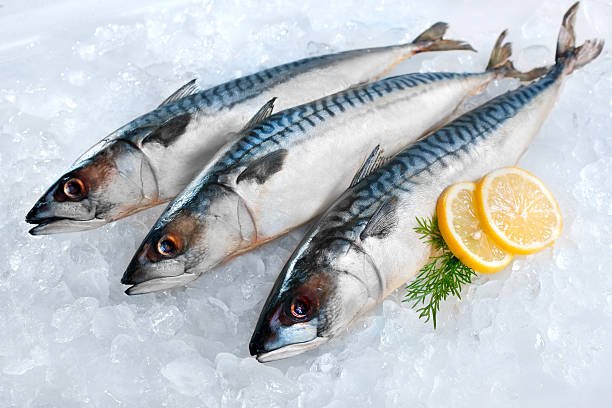
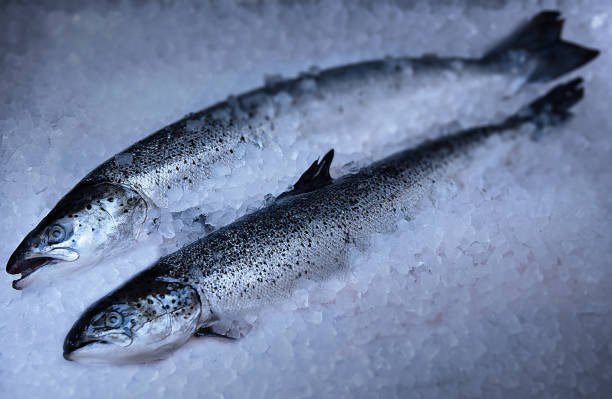
Cod is highly nutritious, especially for those seeking a low-fat, high-protein source. While oily fish like salmon and mackerel are richer in omega-3s, cod is valued for its lean profile and versatility.
Is Cod Liver Oil Made From Cod?
Yes, cod liver oil is derived specifically from the livers of cod fish. It is a concentrated supplement rich in omega-3s, vitamin A, and vitamin D.
How Does Frozen Cod Compare to Fresh?
Properly frozen cod retains most of its nutrients and flavor, making it nearly as nutritious as fresh. Freezing immediately after catch preserves its quality, and thawed cod cooks beautifully.
Does Eating Cod Boost Disease Resistance?
Yes, the vitamins, minerals, and omega-3 fatty acids in cod support immune health, reduce inflammation, and help your body fight off illnesses.
Which Country Produces the Most Cod?
Norway, Iceland, and Russia are the top cod producers, with strong fisheries and sustainable practices.
Which Country Consumes the Most Cod?
Norway, Portugal, and Spain are among the highest consumers, where cod is a staple in traditional dishes.
Which Country Is the Largest Commercial Producer of Cod?
Norway leads globally in cod fishing and processing, followed by Iceland and Russia.
Where Is Cod Most Popular to Eat?
Cod is especially popular in Mediterranean countries, Northern Europe, and North America, featured in dishes like fish and chips, stews, and baked fillets.
Conclusion
Cod fish is a nutritious, low-calorie source of high-quality protein and essential nutrients. Its mild flavor and versatile cooking options make it a favorite for healthy diets worldwide. Whether fresh, frozen, or processed, cod is an excellent addition to your meal plan for supporting heart, brain, and overall health.