What is Cholesterol?
Cholesterol is a waxy, fat-like substance found in every cell of your body. It plays a vital role in producing hormones, vitamin D, and substances that help digest foods. Despite its reputation, cholesterol is essential for your health, but only when kept in balanced levels. It acts as a building block for cell membranes and is involved in many physiological processes. However, excessive cholesterol can lead to health issues, especially cardiovascular diseases.
What Are the Main Sources of Cholesterol?
Cholesterol enters your body from two primary sources:
- Endogenous Production: Your liver produces most of the cholesterol your body needs. This internal synthesis is regulated based on your dietary intake and body’s needs.
- Dietary Intake: Foods rich in animal fats such as eggs, dairy products, red meat, shellfish, and organ meats are high in cholesterol. Processed foods containing trans fats and saturated fats also contribute to increased cholesterol levels.
How Do I Know If My Cholesterol Levels Are Too High or Too Low?
The best way to determine your cholesterol levels is through a blood test called a lipid profile. It measures:
- Total Cholesterol
- LDL (Low-Density Lipoprotein): Known as “bad” cholesterol, high levels can clog arteries.
- HDL (High-Density Lipoprotein): Known as “good” cholesterol, helps remove LDL from your bloodstream.
- Triglycerides
Normal ranges vary, but generally:
- Total cholesterol should be below 200 mg/dL.
- LDL should be below 100 mg/dL.
- HDL should be above 40 mg/dL for men and 50 mg/dL for women.
Regular monitoring helps you understand whether your cholesterol is within a healthy range or needs management.
What Problems Arise from Cholesterol Deficiency?
Cholesterol deficiency is rare but can cause health issues such as:
- Hormonal Imbalance: Since cholesterol is a precursor for hormones like testosterone and estrogen, deficiency can affect hormone production.
- Vitamin D Deficiency: Cholesterol is needed for vitamin D synthesis in the skin.
- Cell Membrane Problems: Cholesterol is vital for maintaining cell membrane integrity. Low levels can impair cell function and repair.
Which Foods or Oils Are Rich in Cholesterol?
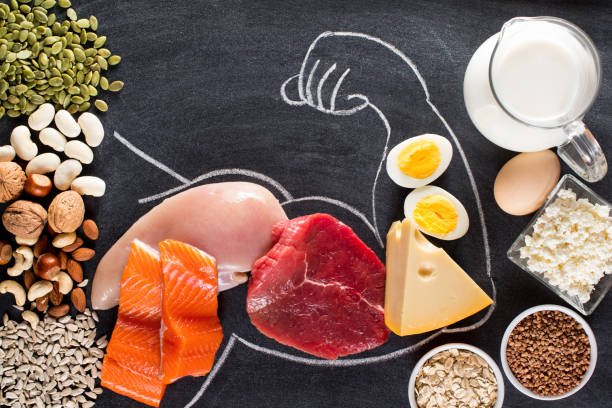
Foods naturally high in cholesterol include:
- Egg yolks
- Shellfish like shrimp, crab, and lobster
- Organ meats such as liver and kidney
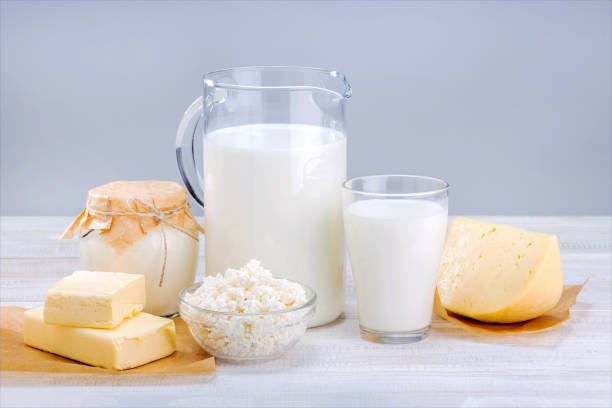
- Dairy products like cheese, butter, and whole milk
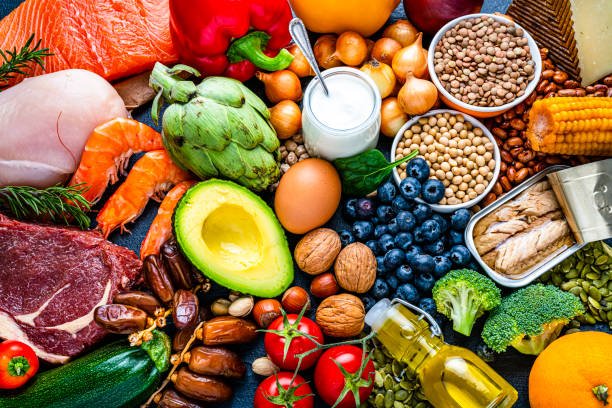
For cooking oils, most plant-based oils (olive oil, sunflower oil, etc.) contain negligible cholesterol but are rich in healthy fats that can help manage cholesterol levels.
How Can I Incorporate Cholesterol-Rich Foods Into My Diet?
To include healthy sources:
- Consume eggs in moderation, opting for boiled or poached eggs.
- Include seafood like salmon and shellfish a few times a week.
- Use healthy fats like olive oil and avocado oil in cooking.
- Incorporate dairy products like yogurt and cheese in balanced amounts.
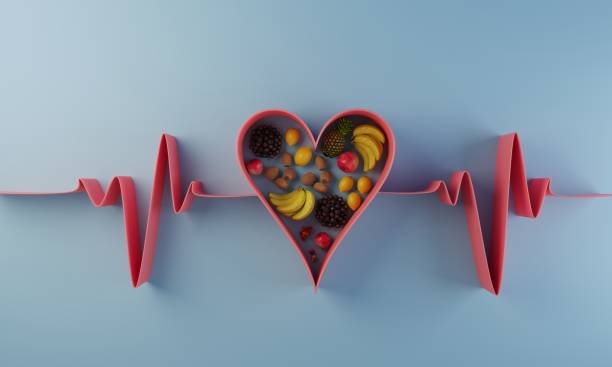
Remember, moderation is key—balance your diet with fruits, vegetables, whole grains, and lean proteins.
Is Cholesterol Only Present in Fats or Oils?
No, cholesterol is primarily found in animal-based foods—meat, eggs, dairy—rather than in plant foods. Plant-based foods do not contain cholesterol but may contain phytosterols, which can help lower cholesterol levels. Cholesterol itself is not in vegetables, fruits, grains, or nuts unless they contain animal-derived ingredients.
What Are the Risks of Excessive Cholesterol Intake?
Consuming too much cholesterol-rich food, especially combined with a sedentary lifestyle, can elevate LDL (“bad” cholesterol). This increases the risk of:
- Arterial plaque buildup
- Heart disease
- Stroke
- Hypertension
Chronic high cholesterol levels are a major risk factor for cardiovascular problems.
Where Are the Best Natural Sources of Cholesterol?
The most potent sources include:
- Eggs (especially yolks)
- Shellfish like shrimp and oysters
- Organ meats such as liver
- Full-fat dairy products
Including these in your diet in moderation can help maintain healthy cholesterol levels or boost levels if needed.
What Are the Problems of Cholesterol Deficiency?
Low cholesterol levels can cause:
- Hormonal issues due to decreased precursor availability
- Vitamin D deficiency, affecting bone health
- Cell membrane instability, impairing cell functions
- Fat-soluble vitamin absorption problems
However, cholesterol deficiency is rare and usually occurs due to underlying health issues.
Does Cholesterol Interact With Other Nutrients?
Yes, cholesterol works closely with:
- Fats: Healthy fats can help balance cholesterol levels.
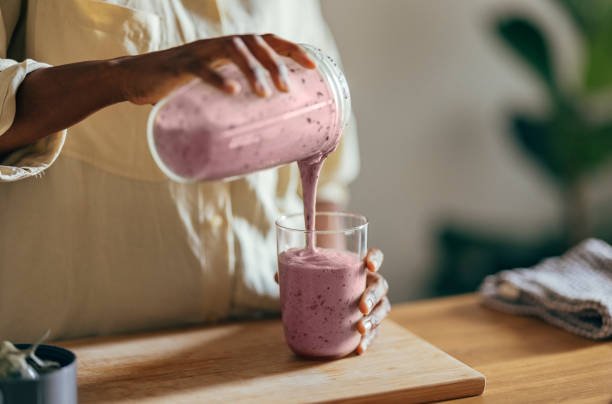
- Fiber: Soluble fiber from oats, beans, and fruits can lower LDL cholesterol.
- Phytosterols: Plant compounds that block cholesterol absorption.
- Vitamins D and B12: Cholesterol is a precursor for vitamin D synthesis, and B12 supports metabolic processes.
A balanced diet ensures these nutrients work synergistically for optimal health.
How Can I Naturally Increase Healthy Cholesterol Levels?
To boost HDL (“good” cholesterol):
- Engage in regular physical activity like brisk walking or cycling.
- Consume healthy fats such as olive oil, nuts, and fatty fish.
- Avoid smoking and excessive alcohol.
- Incorporate foods rich in monounsaturated and polyunsaturated fats.
- Maintain a healthy weight.
Consult a healthcare provider before making significant dietary changes, especially if you have health conditions.
Conclusion
Cholesterol is an essential nutrient that plays a crucial role in your body’s overall functioning. While excess cholesterol, particularly LDL, can pose health risks, maintaining a balanced level is key to a healthy heart and vibrant life. Focus on consuming healthy foods, monitoring your levels regularly, and adopting lifestyle habits that support good cholesterol balance. Remember, cholesterol isn’t just a villain—it’s a vital part of your biological system when kept in proper balance.