What is Salmon? What is its Scientific Name?
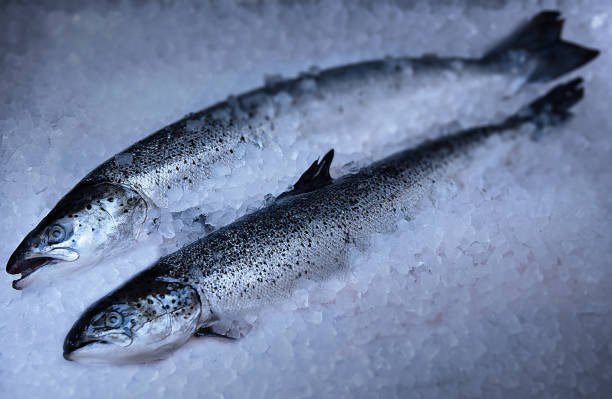
Salmon is a highly prized freshwater and saltwater fish known for its distinctive pink or orange flesh and rich flavor. It belongs to the genus Oncorhynchus and Salmo. The most common species include Oncorhynchus mykiss (Atlantic salmon) and Oncorhynchus spp. (Pacific salmon). Salmon is celebrated worldwide for its nutritional value and delicious taste.
History and Origin of Salmon
Salmon has been an essential part of human diets for thousands of years. Indigenous peoples of North America, Scandinavia, and Russia have relied on salmon for sustenance since ancient times. Historically, salmon migrations to freshwater rivers for spawning have fascinated cultures, and fishing for salmon has evolved from traditional methods to modern aquaculture practices. Today, salmon is a symbol of health and sustainability in many regions.
Nutritional Benefits of 100 grams of Salmon Fish
A 100-gram serving of salmon provides a remarkable array of essential nutrients that support overall health and well-being:
- Calories: About 206 kcal — supplies sustained energy for daily activities and physical exertion.
- Omega-3 Fatty Acids: Approximately 2.5 grams — vital for brain health, reducing inflammation, and supporting cardiovascular health.
- Protein: 22-25 grams — high-quality protein essential for muscle growth, tissue repair, and maintaining body functions.
- Vitamins:
- Vitamin D: Crucial for bone health, immune function, and calcium absorption.
- Vitamin B12: Supports nerve health, red blood cell formation, and energy production.
- Vitamin B6 & Niacin: Help convert food into energy and maintain healthy skin and nerves.
- Minerals:
- Selenium: Acts as an antioxidant, protecting cells from damage.
- Phosphorus: Supports healthy bones and teeth.
- Potassium: Helps regulate blood pressure and fluid balance.
- Magnesium: Supports muscle and nerve function, and enzyme activity.
- Powerful Antioxidants: Astaxanthin — a natural pigment that fights oxidative stress and promotes healthy skin and eyes.
In short, a 100-gram serving of salmon offers a perfect balance of healthy fats, high-quality protein, essential vitamins, minerals, and antioxidants. This makes salmon not just a delicious choice but also a superfood that boosts brain, heart, and overall health.
What Are the Health Benefits of Salmon?
Eating salmon regularly can significantly improve your health:
- Supports Heart Health: Omega-3s help lower bad cholesterol and blood pressure.
- Boosts Brain Function: DHA, a key omega-3 fatty acid, enhances cognitive function and reduces Alzheimer’s risk.
- Reduces Inflammation: Anti-inflammatory properties help manage arthritis and autoimmune conditions.
- Strengthens Immunity: Rich in vitamins D and B12, vital for immune defenses.
- Supports Eye Health: Omega-3s and antioxidants protect against age-related macular degeneration.
- Aids in Weight Management: High-quality protein and healthy fats promote satiety.
What Are the Different Types of Salmon?
Salmon species vary across regions:
- Atlantic Salmon (Salmo salar): Most farmed salmon worldwide, with mild flavor and tender flesh.
- Pacific Salmon: Includes species like sockeye, king (chinook), coho, pink, and chum, each with unique flavor profiles and textures.
- Wild vs. Farmed Salmon: Wild salmon is generally considered more natural with a richer flavor, while farmed salmon tends to be more affordable and consistently available.
Where Are the Best Sources of Salmon?
The best sources are regions with sustainable fisheries and strict regulations:
- Norway: Known for high-quality farmed Atlantic salmon.
- Alaska (USA): Famous for wild Alaskan salmon.
- Canada: Top producer of wild and farmed salmon.
- Chile and Scotland: Major exporters of farmed salmon.
What Is the Price Range of Salmon?
Salmon prices vary based on quality, origin, and whether it’s wild or farmed. On average, wild salmon can cost $15–$30 per pound, while farmed salmon is more affordable, around $8–$15 per pound.
How Should Salmon Be Stored?
To maintain freshness:
- Keep fresh salmon in the coldest part of the refrigerator, ideally at or below 4°C (39°F).
- Consume within 1-2 days of purchase.
- For longer storage, freeze it in airtight packaging, preferably vacuum-sealed, and use within 3-6 months.
- Thaw frozen salmon slowly in the refrigerator before cooking.
What Does Salmon Taste Like?
Salmon has a rich, buttery flavor with a tender yet firm texture. Wild salmon tends to have a more intense, gamey flavor, whereas farmed salmon is milder and fattier.
Is Salmon the Most Nutritious Fish?
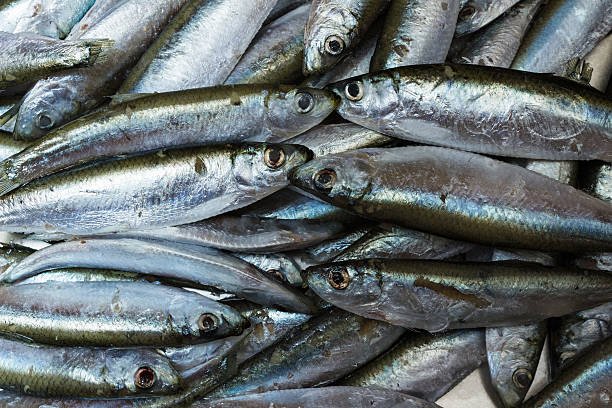
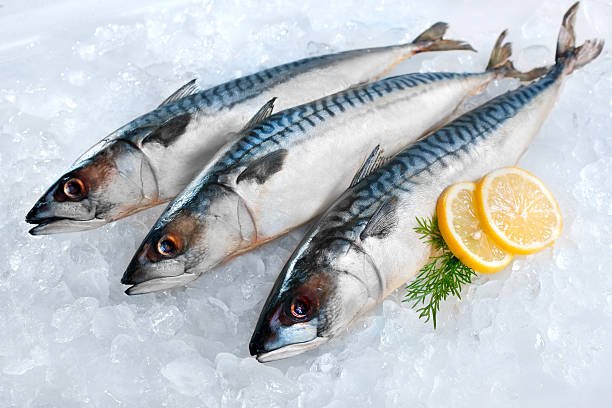
Salmon is often regarded as one of the most nutritious fish due to its high omega-3 fatty acids, high-quality protein, and rich vitamin and mineral content. However, other oily fish like mackerel and sardines are also highly nutritious.
Is Cod Liver Oil Made From Salmon?
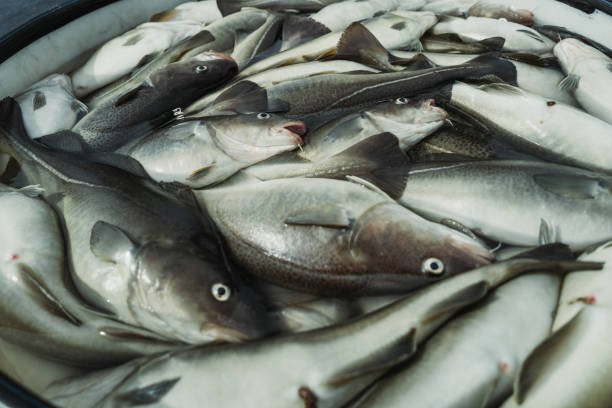
No, cod liver oil is derived specifically from the livers of cod fish, not salmon. It is a concentrated source of omega-3s, vitamin A, and vitamin D.
How Does Frozen Salmon Compare to Fresh?
Frozen salmon can be just as nutritious as fresh if frozen immediately after harvest. Modern freezing techniques preserve most nutrients, and it can be stored longer. However, improper freezing or thawing can affect texture and flavor.
Does Eating Salmon Boost Disease Resistance?
Yes, the omega-3 fatty acids, vitamins D and B12, and antioxidants in salmon strengthen the immune system, helping your body fight infections and reduce inflammation.
Which Country Produces the Most Salmon?
Norway leads global salmon production, followed by Chile, Scotland, Canada, and the United States.
Which Country Consumes the Most Salmon?
The United States, France, and Japan are among the top consumers of salmon worldwide, thanks to their appreciation for healthy, premium seafood.
Which Country Is the Largest Commercial Producer of Salmon?
Norway is the largest producer and exporter of farmed salmon globally, with advanced aquaculture practices.
Where Is Salmon Most Popular to Eat?
Japan, the United States, Norway, and France have the highest consumption, incorporating salmon into sushi, grilled dishes, and salads.
Conclusion
Salmon fish is undoubtedly a superfood packed with health benefits, rich in omega-3 fatty acids, vitamins, and minerals. Its delicious taste, versatility in cooking, and extensive health advantages make it a must-have in a balanced diet. Whether wild or farmed, salmon continues to be a symbol of health and sustainability worldwide. Incorporate this nutrient powerhouse into your meals and enjoy a healthier life.