What is Long Bean?
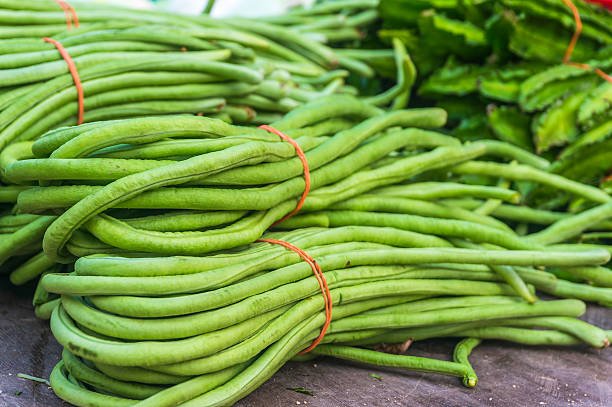
Long bean, also known as yardlong bean or snake bean, is a slender, elongated green vegetable that can grow up to a meter long. It has a crisp texture and a mild, beansprout-like flavor. Widely used in Asian cuisines, it is popular in stir-fries, curries, salads, and pickles for its unique texture and nutritional benefits.
Where is Long Bean Usually Grown?
Long bean is predominantly cultivated in tropical and subtropical regions such as Southeast Asia, India, China, and parts of Africa. It thrives in warm, humid climates with well-drained, fertile soil, making it a common crop in these areas.
History and Origin of Long Bean
Long bean has been cultivated for thousands of years, especially in Asian countries. Its origins trace back to India and Southeast Asia, where it has been a staple vegetable for centuries. Its popularity spread across Asia due to its nutritional value and culinary versatility.
Which Country’s Food Is It Most Popular In?
Long bean is most popular in Chinese, Thai, Vietnamese, Indonesian, and Indian cuisines. It is featured prominently in stir-fries, salads, pickles, and curries, appreciated for its crispness and health benefits.
Nutritional Benefits of 100 grams of Long Bean
A 100-gram serving of long bean offers a wealth of nutrients, including:
- Calories: 31 kcal — low in calories, ideal for weight management.
- Carbohydrates: 7 grams — provides energy and supports metabolic processes.
- Sugars: 2.5 grams — naturally occurring sugars that give a slight sweetness.
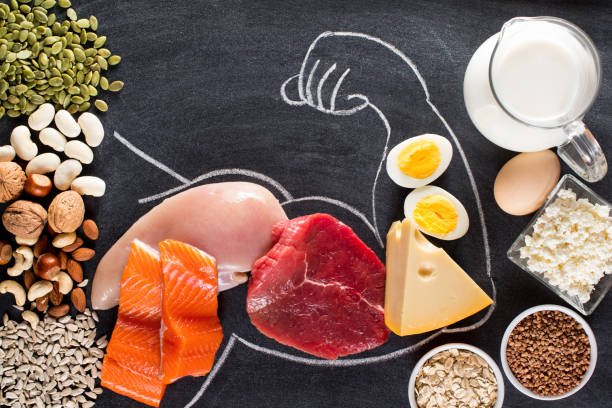
- Proteins: 2 grams — essential for muscle repair and overall body function.
- Dietary Fiber: 2.7 grams — promotes healthy digestion, prevents constipation, and helps regulate blood sugar levels.
- Vitamins:
- Vitamin C (~13 mg) — boosts immunity and skin health.
- Vitamin A (Beta-carotene) — supports eye health and immune functions.
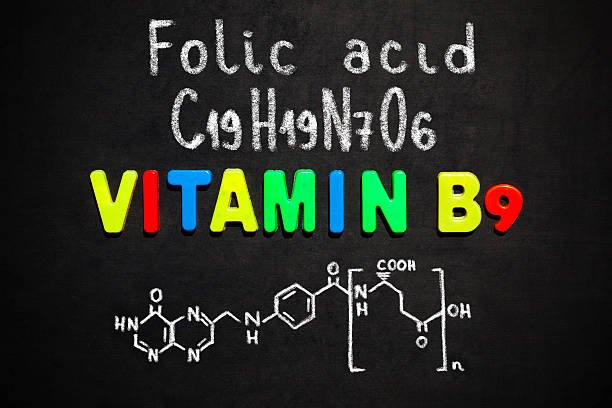
- B-vitamins (including B1, B2, B3, B6, and Folate (~19 mcg)) — aid in energy production and brain health.
- Minerals:
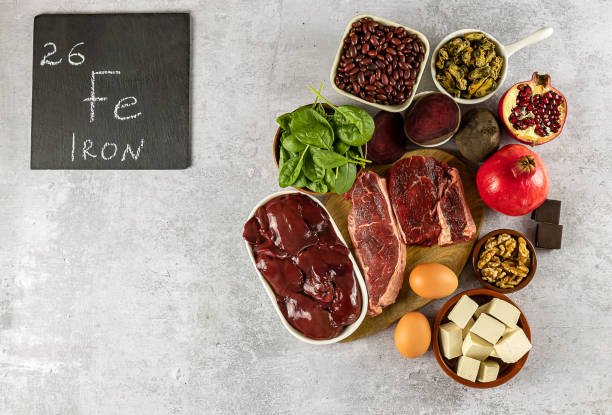
- Iron (~1.2 mg) — vital for oxygen transport in blood.
- Calcium (~25 mg) — strengthens bones and teeth.
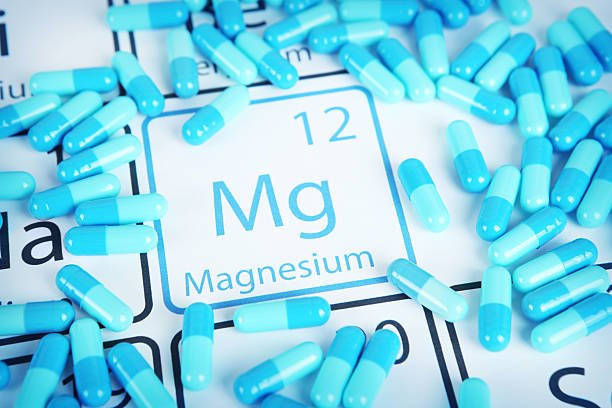
- Magnesium (~13 mg) — supports nerve and muscle function.
- Potassium (~220 mg) — helps maintain blood pressure and fluid balance.
- Phosphorus (~35 mg) — important for energy production and bone health.
How Does Long Bean Benefit Our Health and Nutrition?
Long bean is a powerhouse of nutrients that support overall wellness. Its high fiber content aids digestion and maintains blood sugar balance. The antioxidants combat oxidative stress, reducing inflammation. Vitamins and minerals in long bean boost immunity, improve skin and eye health, and support bone strength.
Long Bean as a Defender Against Diseases
Research suggests that the antioxidants and phytochemicals in long bean can help reduce the risk of chronic diseases such as cardiovascular issues, diabetes, and certain types of cancer. Its anti-inflammatory properties contribute to better long-term health.
Different Types and Varieties of Long Bean
There are various types, including the traditional green yardlong bean, purple-stemmed, and red-stemmed varieties. Each offers slight flavor and color differences but shares similar nutritional benefits.
How is Long Bean Cultivated and Harvested?
Long beans are grown from seeds in warm climates. They require trellises or support structures to grow straight and long. Harvesting occurs when the beans reach about 30-50 centimeters in length, are firm, and tender—usually after 60-70 days.
Why is Long Bean Considered a Superfood?
Because of its rich antioxidant profile, high fiber content, and essential nutrients, long bean is considered a superfood. It supports digestion, immunity, and helps fight oxidative damage, making it a valuable addition to a healthy diet.
Which Country Produces the Most Long Bean?
China leads global production, followed by India, Indonesia, and Vietnam, owing to their favorable climates and large-scale farming practices.
Recent Research and New Discoveries about Long Bean
Recent studies highlight long bean’s potential in reducing inflammation, supporting liver health, and preventing age-related diseases. Researchers are exploring its use in functional foods and natural remedies.
How Can We Incorporate Long Bean into Our Meals?
Long bean can be enjoyed in many delicious ways:
- Stir-fried with garlic, chili, and spices
- Cooked in curries and stews
- Pickled or marinated for snacks
- Added to salads and wraps
- Served as a nutritious side dish
Is Long Bean Safe for Pregnant Women and Children?
Yes, long bean is safe and highly nutritious for pregnant women and children. Its vitamins and minerals support growth and immunity. Always wash thoroughly before cooking or eating.
Does Long Bean Help with Digestion and Blood Sugar Control?
Absolutely! Its high fiber content promotes healthy digestion and helps regulate blood sugar levels, making it beneficial for diabetics and those looking to improve gut health.
Are There Any Downsides to Eating Long Bean?
Excessive consumption may cause mild gastrointestinal discomfort such as bloating or gas. As with all foods, moderation is essential. Proper cooking also helps eliminate any potential toxins.
Conclusion
Long bean is a nutritious, versatile, and tasty vegetable that offers numerous health benefits. Its support for digestion, immunity, and chronic disease prevention makes it an excellent addition to a balanced diet. Incorporate long beans into your meals and enjoy their natural flavor and health-boosting properties.