What is Bean?
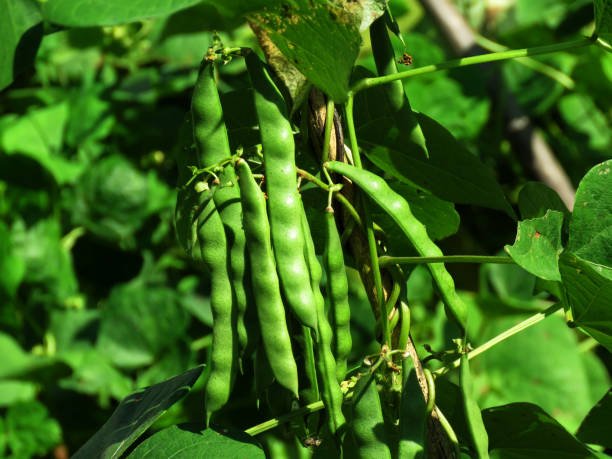
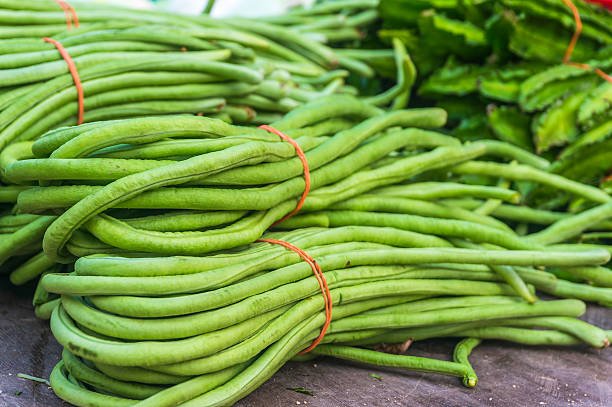
Bean is a popular, nutrient-rich vegetable available in various types such as green beans, kidney beans, black beans, and more. Known for their tender texture and mild flavor, beans are used worldwide in a variety of cuisines. They are commonly incorporated into salads, stews, curries, and side dishes, valued for their health benefits and versatility.
Where is Bean Usually Grown?
Beans are cultivated across the globe, especially in tropical and temperate regions. Major producers include China, India, Brazil, and the United States. These regions provide the ideal climate—warm and sunny—for optimal growth.
History and Origin of Bean
Beans have been cultivated for thousands of years, dating back to ancient civilizations in Central and South America, Africa, and Asia. They have long been considered a vital source of plant-based protein and essential nutrients.
Which Country’s Food Is It Most Popular In?
Beans are especially popular in Mexican, Indian, Middle Eastern, Mediterranean, and South American cuisines. They are a staple ingredient in traditional dishes like chili, dal, hummus, and various stews.
Nutritional Benefits of 100 grams of Bean
A 100-gram serving of beans provides a great array of essential nutrients necessary for good health:
- Calories: About 127 kcal — provides energy for daily activities.
- Carbohydrates: 23 grams — supplies quick energy and supports metabolic functions.
- Protein: 8-9 grams — essential for muscle growth, repair, and overall bodily functions.
- Dietary Fiber: 6-9 grams — promotes healthy digestion, helps control blood sugar, and aids in weight management.
- Vitamins:
- Rich in B-vitamins, including folate, which support energy production, brain function, and cell growth.
- Vitamin C — boosts immunity, promotes healthy skin, and supports tissue repair.
- Vitamin K — important for blood clotting and bone health.
- Minerals:
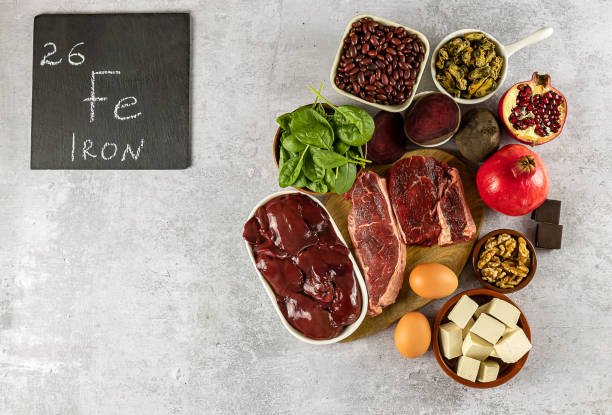
- Iron — vital for oxygen transport in the blood.
- Magnesium — supports muscle and nerve function.
- Potassium — helps regulate blood pressure and fluid balance.
- Calcium — necessary for strong bones and teeth.
How Does Bean Benefit Our Health and Nutrition?
Beans are a powerhouse of nutrients that contribute to overall health. Their high fiber content improves digestion, aids in blood sugar regulation, and supports heart health. The rich antioxidants and phytochemicals help fight inflammation and oxidative stress, reducing the risk of chronic diseases.
Beans as a Defender Against Diseases
Regular consumption of beans can reduce the risk of cardiovascular diseases, help manage diabetes, and potentially lower the risk of certain cancers. Their anti-inflammatory and antioxidant properties are key contributors to long-term health benefits.
Different Types and Varieties of Bean
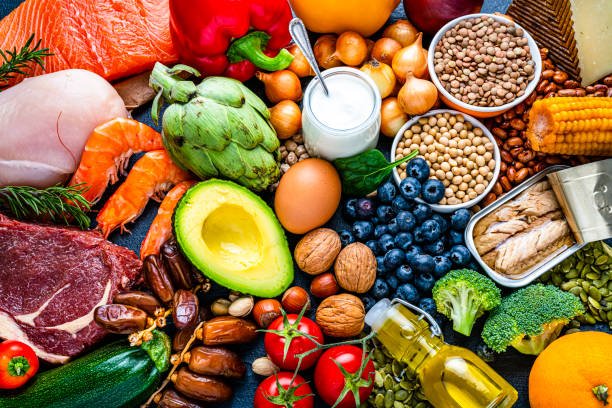
There are many varieties, including green beans, kidney beans, black beans, chickpeas, and lentils. Each type has unique flavors, textures, and nutritional profiles, but all are highly beneficial for health.
How is Bean Cultivated and Harvested?
Beans are typically grown from seeds in well-drained, sunny fields. They require about 60-90 days to mature, depending on the variety. Harvesting occurs when pods are fully developed, firm, and tender.
Why is Bean Considered a Superfood?
Because they are rich in plant-based protein, fiber, antioxidants, vitamins, and minerals, beans are classified as a superfood. They support cardiovascular health, improve digestion, and help prevent chronic illnesses.
Which Country Produces the Most Bean?
China, India, Brazil, and the United States are the leading producers of beans, thanks to their favorable climates and large-scale agriculture.
Recent Research and New Discoveries about Bean
Recent studies highlight beans’ role in reducing inflammation, supporting gut health, and lowering cholesterol levels. Researchers are exploring their potential in managing metabolic syndromes and age-related diseases.
How Can We Incorporate Bean into Our Meals?
Beans are incredibly versatile and can be enjoyed in many ways:
- Cooked in curries, stews, and soups
- Added to salads and grain bowls
- Used to make dips like hummus or bean spreads
- Formed into patties or veggie burgers
- Served as a side dish or incorporated into rice and pasta dishes
Is Bean Safe for Pregnant Women and Children?
Yes, beans are safe and highly nutritious for pregnant women and children. They provide essential nutrients necessary for growth and development. Proper cooking ensures any natural toxins are eliminated.
Does Bean Help with Digestion and Blood Sugar Control?
Absolutely! The high fiber content promotes healthy digestion, and their ability to regulate blood sugar makes them ideal for diabetics and those seeking better gut health.
Are There Any Downsides to Eating Bean?
Excessive intake can cause gastrointestinal discomfort such as bloating and gas. Some beans contain natural toxins that can be reduced through proper cooking. Moderation is key.
Conclusion
Beans are a highly nutritious, versatile, and beneficial vegetable that supports heart health, digestion, and disease prevention. Incorporating beans into your daily diet can lead to a healthier, more vibrant life. Enjoy their delicious taste and numerous health benefits!