How to Get Maximum Energy from Food?
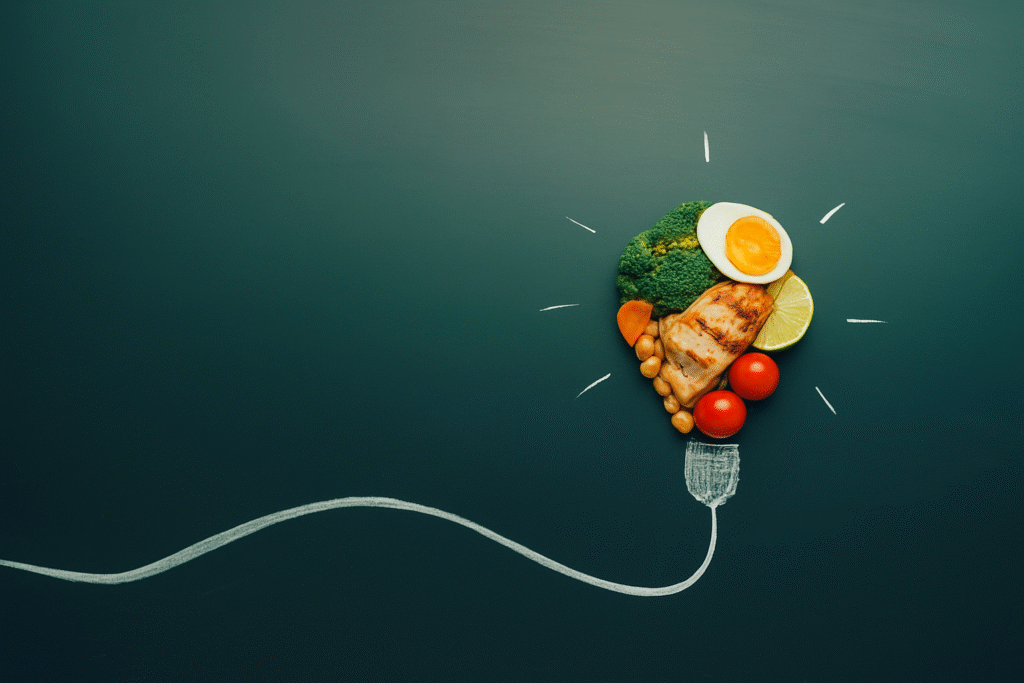
Achieving optimal energy from your diet involves choosing nutrient-dense foods that provide sustained fuel throughout the day. Incorporate complex carbohydrates like oats, brown rice, and whole grains, which release energy gradually. Pair these with healthy fats from nuts, seeds, and avocados, and include lean proteins such as eggs, fish, and legumes to support muscle function and recovery. Hydration is equally vital—water helps transport nutrients and maintain energy levels. Avoid processed foods high in refined sugars and trans fats, as they cause energy spikes followed by crashes. Instead, opt for natural, unprocessed foods that offer a steady energy supply, keeping you active and alert all day long.
How Much Energy Do You Need Daily?
Daily energy requirements vary based on age, gender, activity level, and overall health. On average, adult women need about 1,800–2,400 calories per day, while men require approximately 2,200–3,000 calories. Athletes or highly active individuals may need even more to fuel their activities. The key is balancing energy intake with expenditure to maintain a healthy weight and avoid fatigue. Listening to your body’s hunger cues and adjusting your food intake accordingly helps in meeting your specific energy needs effectively.
How Much Energy Do We Absorb from Food?
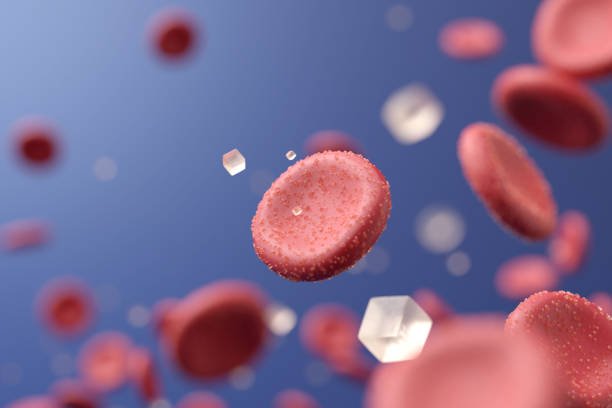
When you eat, your digestive system breaks down nutrients into usable forms. Carbohydrates convert into glucose, proteins into amino acids, and fats into fatty acids—all of which are absorbed into the bloodstream. The actual energy your body derives depends on the type and amount of food consumed. Typically, carbohydrates provide about 4 kcal per gram, proteins also give 4 kcal per gram, and fats offer around 9 kcal per gram. Not all consumed calories are absorbed or utilized efficiently; some are lost during digestion and metabolism. Overall, a well-balanced diet ensures your body absorbs enough energy to function optimally.
Which Foods Provide the Most Energy?
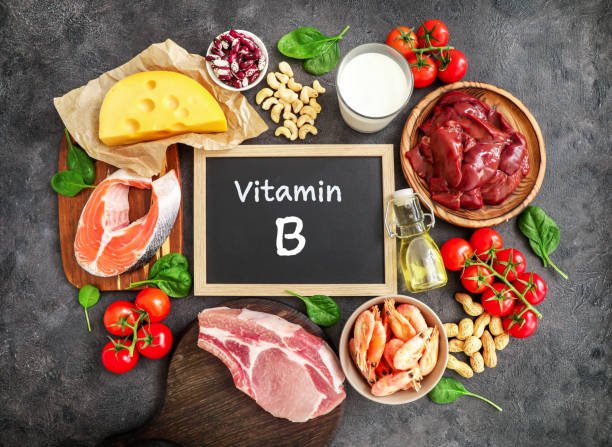
Foods rich in complex carbohydrates and healthy fats are the best energy providers. Examples include oats, whole-grain bread, brown rice, sweet potatoes, nuts, seeds, avocados, and oily fish like salmon. Fruits such as bananas and dates also offer quick-release sugars for instant energy. Dairy products like milk and yogurt supply both carbs and proteins, supporting sustained energy levels. Additionally, dark chocolate and trail mix can give quick bursts of energy due to their sugar and fat content. Incorporating these foods into your diet ensures you stay energized throughout your busy day.
How to Feel More Energized After Eating?
Feeling energized post-meal depends on the quality and timing of your food intake. Choose balanced meals that include complex carbs, lean proteins, and healthy fats; these slow digestion and provide lasting fuel. Avoid heavy, greasy, or sugary foods that cause sluggishness. Incorporate small, frequent meals and snacks to keep blood sugar steady. Drinking water during and after meals helps maintain hydration, which is essential for energy. Additionally, engaging in light physical activity like stretching or a short walk after eating can boost circulation and make you feel more alert.
Which Foods Naturally Boost Energy?
Certain foods contain compounds that naturally increase energy levels. Bananas are rich in potassium and natural sugars, providing quick energy and preventing muscle cramps. Nuts and seeds are packed with healthy fats, protein, and magnesium, supporting sustained energy. Berries and citrus fruits are loaded with antioxidants and vitamin C, reducing fatigue and improving mood. Dark leafy greens like spinach and kale contain iron and magnesium, which are vital for oxygen transport and muscle function. Including these foods regularly helps your body produce more energy naturally.
What to Eat When You Need a Boost of Energy?
For immediate energy, reach for quick sources of sugar like fresh fruit, honey, or a small piece of dark chocolate. Nut butters on whole-grain bread or a handful of trail mix also provide a healthy mix of fats and carbs for sustained energy. Smoothies with fruits, yogurt, and oats are excellent options for a fast, nourishing boost. Hydrating with water or herbal teas can also help maintain your energy levels. Remember, combining carbs with protein or healthy fats maximizes the energy-boosting effect and keeps you feeling full longer.
Which Foods Quickly Reduce Fatigue and Increase Energy?
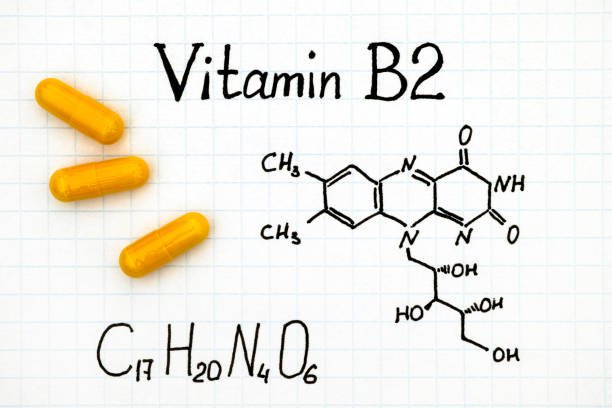
Foods rich in magnesium, B-vitamins, and antioxidants are effective at combating fatigue. For example, dark chocolate boosts mood and energy due to its magnesium and phenylethylamine content. Eggs provide high-quality protein and B12, crucial for energy production. Spinach and other leafy greens are rich in magnesium, which helps convert food into energy. Whole grains like oats and quinoa release energy gradually and prevent mid-morning slumps. Including these in your diet helps your body produce and sustain energy efficiently.
How Long Does Food Provide Energy?
The duration of energy from food depends on its composition. Simple sugars from fruits or sweets may give you a quick energy burst lasting 30 minutes to an hour. In contrast, complex carbs like oats, brown rice, and whole grains release energy gradually over 3 to 5 hours. Fats from nuts, seeds, and oily fish can sustain energy for even longer periods—up to several hours—by providing a steady supply of fuel. Combining different macronutrients ensures a consistent energy flow, helping you stay active and alert throughout the day.
Conclusion
Energy from food is fundamental for living an active, productive life. By choosing nutrient-rich, balanced meals that include complex carbs, healthy fats, and proteins, you can maximize your energy levels naturally. Proper timing, hydration, and incorporating energy-boosting foods enable you to maintain stamina, improve focus, and stay energetic all day long.