Epsom Salt & Importance: Why It’s a Must-Have
What Is Epsom Salt?
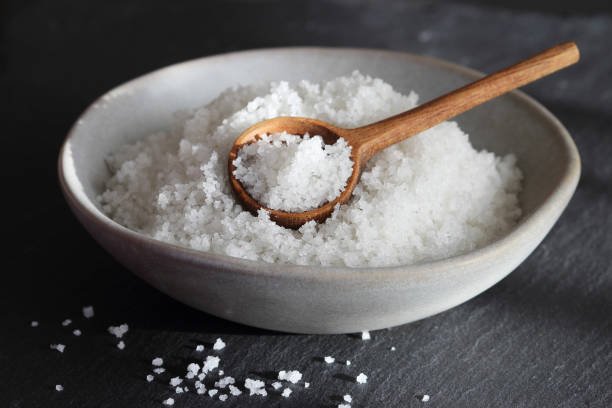
Epsom Salt, scientifically known as magnesium sulfate, is a natural mineral compound composed of magnesium, sulfur, and oxygen. It is named after the town of Epsom in England, where it was originally discovered in spring water. Epsom Salt is widely used for its health benefits, beauty routines, and in various household applications due to its soothing properties.
What Is the Composition of Epsom Salt?
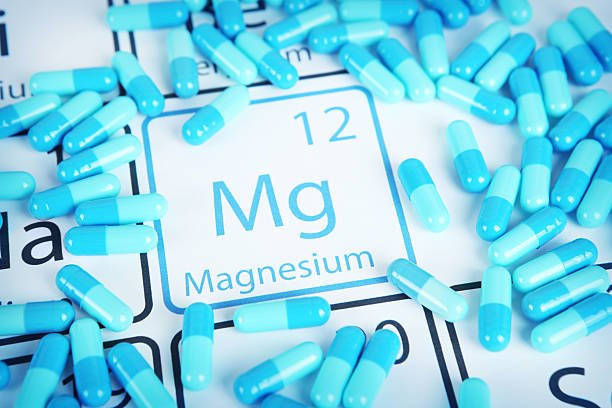
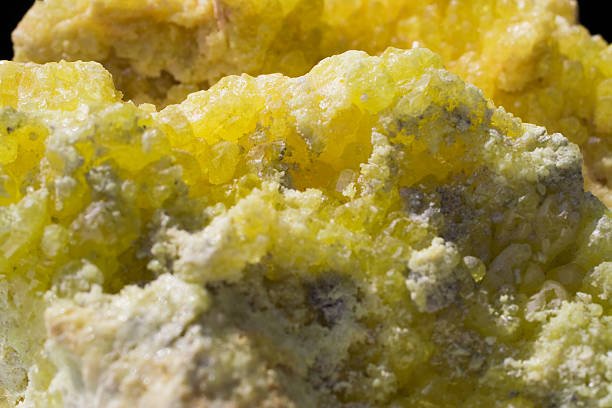
Epsom Salt primarily consists of magnesium sulfate (MgSO₄). It contains about 10% magnesium, 13% sulfur, and oxygen. Magnesium is an essential mineral that plays a vital role in muscle and nerve function, while sulfur supports skin, hair, and nails.
Where Can You Find Epsom Salt?
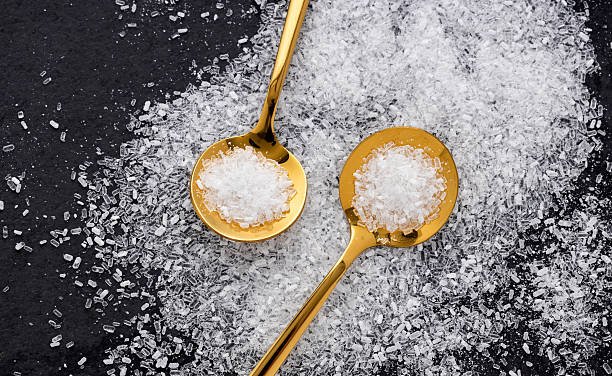
Epsom Salt is readily available in pharmacies, health stores, supermarkets, and online shops worldwide. It is sold as bath salts, in powder form, or as crystals. Since it is a mineral compound, it is harvested from natural mineral deposits or produced synthetically for commercial use.
What Are the Uses of Epsom Salt?
Epsom Salt has a wide range of applications:
- Bathing: Used as bath salts to soothe muscles, reduce inflammation, and promote relaxation.
- Health & Wellness: Supports muscle recovery, reduces stress, and alleviates soreness.
- Beauty: Used in facial scrubs, foot soaks, and hair treatments to improve skin and hair health.
- Gardening: Acts as a fertilizer to promote healthy plant growth.
- Household: Used for cleaning, removing splinters, and as a laxative in medical treatments.
How Does Epsom Salt Work?
Epsom Salt works mainly through transdermal absorption during baths, where magnesium enters the skin, helping to relax muscles, reduce inflammation, and improve magnesium levels in the body. When used as a laxative, it works by drawing water into the intestines, aiding digestion and relieving constipation.
How Important Is Epsom Salt?
Epsom Salt is considered important for its magnesium content, especially in supporting muscle and nerve functions, stress relief, and skin health. It is a natural, versatile supplement that can enhance overall wellness when used appropriately.
What Happens if You Use Too Little or Too Much Epsom Salt?
Using too little Epsom Salt may provide minimal benefits, while excessive use—especially in baths or as a laxative—can cause side effects such as diarrhea, dehydration, or magnesium overdose. Moderation and proper usage are essential for safety.
Why Do Epsom Salt Deficiencies Occur?
Magnesium deficiency can occur due to poor diet, stress, certain health conditions, or medications that deplete magnesium levels. Epsom Salt can help replenish magnesium when used correctly, but deficiencies are rare if a balanced diet is maintained.
What Are the Signs of Too Little or Too Much Epsom Salt?
Signs of magnesium deficiency include muscle cramps, fatigue, and irritability. Overuse of Epsom Salt, especially as a laxative, can cause diarrhea, dehydration, and electrolyte imbalance. Always follow recommended dosages.
Is Epsom Salt a Natural Ingredient?
Yes, Epsom Salt is a naturally occurring mineral compound derived from mineral deposits or mined from natural sources. It is minimally processed, retaining its natural mineral properties.
Is Epsom Salt Healthy?
In moderation, Epsom Salt is healthy and beneficial for muscle relaxation, stress relief, and skin health. It is widely used in holistic health practices. However, overuse or misuse can lead to adverse effects.
Is Epsom Salt Harmful?
Excessive use of Epsom Salt, especially as a laxative, can be harmful, causing dehydration, electrolyte imbalance, or magnesium overdose. Always use as directed and consult a healthcare professional if unsure.
Does Epsom Salt Help in Weight Loss?
There is limited scientific evidence to support that Epsom Salt directly aids in weight loss. Its primary benefits are relaxation and mineral replenishment, not fat burning.
Conclusion
Epsom Salt is a versatile, natural mineral compound that offers numerous health, beauty, and household benefits. When used responsibly, it can support muscle recovery, skin health, and overall wellness. Like any supplement, moderation and proper application are key to maximizing its advantages and avoiding potential risks.
FAQs:(Frequently Asked Questions)
Does Epsom Salt Help in Weight Loss?
There is no strong scientific evidence that Epsom Salt directly promotes weight loss. Its main benefits are relaxation and mineral replenishment.
Is Epsom Salt Harmful for Diabetes?
In typical use, Epsom Salt is safe for diabetics. However, overuse as a laxative can cause dehydration or electrolyte imbalances, which are risky for diabetics. Consult a doctor before use.
Are There Alternatives to Epsom Salt?
Yes, alternatives include magnesium chloride flakes, sea salts, or other mineral bath salts. Each has unique properties and benefits, so choose based on your needs.
Related
Learn More
Jaggery & Health: Is It Better Than Sugar?
What Is Jaggery?
Jaggery, also known as “Gur” in many regions, is a traditional natural sweetener made by boiling and concentrating sugarcane juice or palm sap. It is unrefined, retaining natural minerals and nutrients, and has a rich, caramel-like flavor. Jaggery is widely used in various culinary dishes, desserts, and medicinal preparations due to its wholesome qualities.
What Are the Ingredients of Jaggery?
The main ingredients of Jaggery are pure sugarcane juice or palm sap, which is boiled down without refining or chemical processing. It contains natural sugars along with trace minerals like iron, calcium, magnesium, and potassium, which are preserved during the traditional processing.
Where Can You Find Jaggery?
Jaggery is commonly available in grocery stores, markets, organic shops, and online platforms worldwide. It is sold in blocks, cubes, or powders, and is often packaged in eco-friendly wrappers or containers. It is especially popular in countries like India, Bangladesh, Sri Lanka, and other tropical regions.
What Are the Uses of Jaggery?
Jaggery has a wide array of applications:
-
- Culinary: Used in sweets, desserts, beverages like tea and health drinks, and savory dishes.
- Medicinal: Consumed to boost immunity, improve digestion, and detoxify the body.
- Health Remedies: Used in cough syrups, herbal teas, and traditional medicines.
- Household: Acts as a natural cleaner and is sometimes used in skincare routines.
How Does Jaggery Work?
Jaggery works by providing natural sugars that serve as quick energy sources. Its mineral content supports various bodily functions, including blood purification, digestion, and boosting immunity. When consumed, it helps stimulate digestive enzymes and aids in detoxification processes, thanks to its rich nutrient profile.
How Healthy Is Jaggery?
Jaggery is considered healthier than refined sugar because it retains natural minerals and nutrients. It provides essential minerals like iron, which can help combat anemia, and supports digestion and detoxification. However, it is still a form of sugar and should be consumed in moderation to avoid health issues like weight gain and blood sugar spikes.
What Happens if You Use Too Little or Too Much Jaggery?
Using too little Jaggery may result in missing out on its nutritional benefits and natural sweetness. Overuse can lead to excessive calorie intake, increased blood sugar levels, and potential weight gain. Moderation is key to enjoying its benefits without adverse effects.
What Causes a Deficiency of Jaggery?
A deficiency in Jaggery itself is rare; more often, people may have low iron or mineral levels due to poor diet. If someone avoids all natural sweeteners or consumes excessive refined sugar, they might miss out on the nutritional benefits Jaggery offers.
What Are the Signs of Too Little or Too Much Jaggery?
Low intake may cause symptoms of mineral deficiency like fatigue, weakness, or anemia. Overconsumption can lead to high blood sugar, weight gain, and dental problems. It’s important to balance its intake with overall dietary habits.
Is Jaggery a Natural Ingredient?
Yes, Jaggery is a natural, minimally processed sweetener made from sugarcane juice or palm sap. It is unrefined and retains many of its natural minerals, making it a wholesome addition to a healthy diet.
Does Jaggery Help in Weight Loss?
No, Jaggery does not directly help in weight loss. Despite its health benefits, it is still a sugar and should be used in moderation. Excessive intake can contribute to weight gain.
Conclusion
Jaggery is a wholesome, natural sweetener packed with essential minerals and nutrients. Its traditional use in cooking and medicine makes it a valuable addition to a balanced diet. While it offers health benefits over refined sugar, moderation is vital to maximize its advantages and maintain overall health.
FAQs:(Frequently Asked Questions)
Is Jaggery Harmful for Diabetes?
Consuming Jaggery can raise blood sugar levels, so it is not recommended for diabetics in large amounts. However, in small, controlled quantities, it may be used cautiously under medical supervision.
Are There Alternatives to Jaggery?
Yes, alternatives include honey, maple syrup, coconut sugar, and artificial sweeteners. Each alternative has different health profiles and suitability depending on dietary needs.