Healthy Corn: Whole vs Processed — What’s Best?
What is Corn?
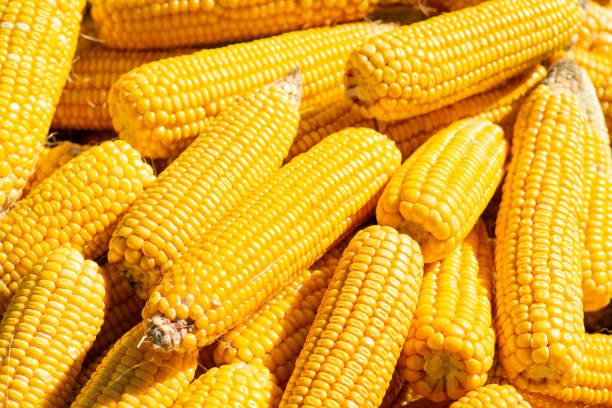
Corn, scientifically known as Zea mays, is a cereal grain that is widely cultivated and consumed around the world. It is one of the oldest cultivated crops, dating back thousands of years, and holds a central place in various cuisines and cultures. Corn is known for its versatility — from being eaten as a vegetable to being processed into flour, oil, and other products. Its golden kernels are rich in nutrients, making it a staple food in many countries.
What is the Nutritional Value of 100g of Corn?
In 100 grams of corn, you get a nutritious mix of macro and micronutrients:
- Calories: 86 kcal
- Carbohydrates: 19 grams
- Dietary Fiber: 2.7 grams
- Sugars: 6.3 grams
- Protein: 3.2 grams
- Fats: 1.2 grams
- Vitamins & Minerals:
- Vitamin C: 6.8 mg
- Vitamin B6: 0.1 mg
- Folate: 19 mcg
- Magnesium: 37 mg
- Phosphorus: 89 mg
- Potassium: 270 mg
Corn is a good source of energy, fiber, and essential nutrients that support overall health.
How Is Corn Consumed and What Foods Are Made From It?
Corn can be enjoyed in many forms and used to produce a variety of delicious foods:
- Boiled or grilled ears of corn
- Cornflakes and breakfast cereals
- Cornmeal used in baking bread, muffins, and tortillas
- Corn tortillas, chips, and popcorn
- Corn-based soups and salads
- Corn syrup and corn oil
- Tamales and other traditional dishes in various cuisines
Its sweet and nutty flavor makes it a favorite snack and ingredient worldwide.
What Health Problems Can Be Prevented by Eating Corn?
Regular consumption of corn can help prevent and manage several health issues:
- Digestive health: High fiber content helps promote healthy digestion and prevent constipation.
- Heart health: Corn contains antioxidants and phytochemicals that support cardiovascular health.
- Blood sugar regulation: Whole corn has a moderate glycemic index, aiding in blood sugar control.
- Nutritional deficiencies: Rich in vitamins and minerals that boost immunity.
However, moderation and choosing whole or less processed corn products are important.
What Are the Benefits of Corn?
Corn offers numerous health benefits:
- Provides a quick source of energy due to its carbohydrate content
- Supports digestive health through fiber and antioxidants
- Aids in weight management by promoting satiety
- Contains lutein and zeaxanthin, which are good for eye health
- Supports skin health with vitamins A and C
- Contributes to overall wellness by providing essential nutrients
Including corn as part of a balanced diet can enhance vitality and health.
How Does Corn Play a Role in a Balanced Diet?
Corn can be an integral part of a nutritious diet when combined with vegetables, proteins, and healthy fats. Its versatility allows it to be incorporated into meals as a vegetable, grain, or snack. Whole corn or minimally processed products provide fiber, vitamins, and minerals, supporting digestion, energy, and overall health.
How Does Corn Contribute to Disease Prevention?
Corn’s antioxidant compounds, such as carotenoids and phenolic acids, help reduce inflammation and oxidative damage, lowering the risk of chronic diseases like heart disease and certain cancers. Its fiber content also aids in cholesterol management and blood sugar control.
What Are the Benefits of Corn for Children and the Elderly?
For children, corn supplies essential nutrients necessary for growth, brain development, and immune support. It is easy to digest and energy-rich. For the elderly, corn supports heart and eye health and helps maintain digestive health. Its nutrient profile makes it suitable for all age groups.
Which Type of Corn Is the Most Healthy?
Whole or minimally processed corn, such as fresh sweet corn, popcorn, or whole-grain cornmeal, is the healthiest option. These retain most nutrients and fiber. Processed or refined corn products, like corn syrup or heavily processed snacks, are less nutritious and should be consumed in moderation.
Does Eating Corn Help Control Diabetes?
Whole corn has a moderate glycemic index and provides fiber that slows glucose absorption, aiding in blood sugar regulation. However, processed corn products like corn syrup can spike blood sugar levels. For diabetics, consuming whole, minimally processed corn in moderation is beneficial.
What Are the Downsides of Corn?
Despite its benefits, corn can have some drawbacks:
- High in carbohydrates: Excessive intake can impact blood sugar levels.
- GMO concerns: Most commercial corn is genetically modified; choosing organic or non-GMO options can mitigate this.
- Potential allergens: Rare allergies to corn exist.
- Refined products: Excessive consumption of processed corn products like corn syrup can contribute to obesity and metabolic issues.
Proper portion control and choosing whole or minimally processed corn products are advisable.
Conclusion
Corn is a versatile and nutritious grain that provides energy, fiber, and essential nutrients. Its role in supporting digestion, heart health, and disease prevention makes it a valuable addition to a balanced diet. By choosing whole or minimally processed forms, you can enjoy its benefits while maintaining a healthy lifestyle.
FAQs:(Frequently Asked Questions)
Which country produces the most corn?
The United States is the largest producer of corn, followed by China and Brazil.
What should I do if I have a corn allergy or sensitivity?
Consult a healthcare professional. You can consider alternative grains like rice, millet, or oats to avoid reactions.
Related
Learn More
Jaggery & Health: Is It Better Than Sugar?
What Is Jaggery?
Jaggery, also known as “Gur” in many regions, is a traditional natural sweetener made by boiling and concentrating sugarcane juice or palm sap. It is unrefined, retaining natural minerals and nutrients, and has a rich, caramel-like flavor. Jaggery is widely used in various culinary dishes, desserts, and medicinal preparations due to its wholesome qualities.
What Are the Ingredients of Jaggery?
The main ingredients of Jaggery are pure sugarcane juice or palm sap, which is boiled down without refining or chemical processing. It contains natural sugars along with trace minerals like iron, calcium, magnesium, and potassium, which are preserved during the traditional processing.
Where Can You Find Jaggery?
Jaggery is commonly available in grocery stores, markets, organic shops, and online platforms worldwide. It is sold in blocks, cubes, or powders, and is often packaged in eco-friendly wrappers or containers. It is especially popular in countries like India, Bangladesh, Sri Lanka, and other tropical regions.
What Are the Uses of Jaggery?
Jaggery has a wide array of applications:
-
- Culinary: Used in sweets, desserts, beverages like tea and health drinks, and savory dishes.
- Medicinal: Consumed to boost immunity, improve digestion, and detoxify the body.
- Health Remedies: Used in cough syrups, herbal teas, and traditional medicines.
- Household: Acts as a natural cleaner and is sometimes used in skincare routines.
How Does Jaggery Work?
Jaggery works by providing natural sugars that serve as quick energy sources. Its mineral content supports various bodily functions, including blood purification, digestion, and boosting immunity. When consumed, it helps stimulate digestive enzymes and aids in detoxification processes, thanks to its rich nutrient profile.
How Healthy Is Jaggery?
Jaggery is considered healthier than refined sugar because it retains natural minerals and nutrients. It provides essential minerals like iron, which can help combat anemia, and supports digestion and detoxification. However, it is still a form of sugar and should be consumed in moderation to avoid health issues like weight gain and blood sugar spikes.
What Happens if You Use Too Little or Too Much Jaggery?
Using too little Jaggery may result in missing out on its nutritional benefits and natural sweetness. Overuse can lead to excessive calorie intake, increased blood sugar levels, and potential weight gain. Moderation is key to enjoying its benefits without adverse effects.
What Causes a Deficiency of Jaggery?
A deficiency in Jaggery itself is rare; more often, people may have low iron or mineral levels due to poor diet. If someone avoids all natural sweeteners or consumes excessive refined sugar, they might miss out on the nutritional benefits Jaggery offers.
What Are the Signs of Too Little or Too Much Jaggery?
Low intake may cause symptoms of mineral deficiency like fatigue, weakness, or anemia. Overconsumption can lead to high blood sugar, weight gain, and dental problems. It’s important to balance its intake with overall dietary habits.
Is Jaggery a Natural Ingredient?
Yes, Jaggery is a natural, minimally processed sweetener made from sugarcane juice or palm sap. It is unrefined and retains many of its natural minerals, making it a wholesome addition to a healthy diet.
Does Jaggery Help in Weight Loss?
No, Jaggery does not directly help in weight loss. Despite its health benefits, it is still a sugar and should be used in moderation. Excessive intake can contribute to weight gain.
Conclusion
Jaggery is a wholesome, natural sweetener packed with essential minerals and nutrients. Its traditional use in cooking and medicine makes it a valuable addition to a balanced diet. While it offers health benefits over refined sugar, moderation is vital to maximize its advantages and maintain overall health.
FAQs:(Frequently Asked Questions)
Is Jaggery Harmful for Diabetes?
Consuming Jaggery can raise blood sugar levels, so it is not recommended for diabetics in large amounts. However, in small, controlled quantities, it may be used cautiously under medical supervision.
Are There Alternatives to Jaggery?
Yes, alternatives include honey, maple syrup, coconut sugar, and artificial sweeteners. Each alternative has different health profiles and suitability depending on dietary needs.