Barley & Diabetes Control: Is It Effective?
What is Barley?
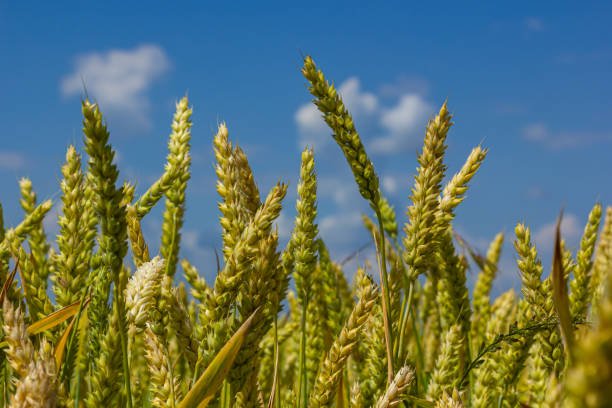
Barley is one of the oldest cultivated grains, known for its nutty flavor and chewy texture. It belongs to the cereal family and is widely used in soups, porridges, salads, and brewing. Barley is highly nutritious, packed with fiber, vitamins, and minerals like selenium and magnesium. Its versatility and health benefits make it a popular choice for those seeking a wholesome, gluten-containing grain that supports overall wellness.
How Much Nutritional Value Does 100g of Barley Contain?
In 100 grams of barley, you get a rich array of nutrients:
- Calories: 350–370 kcal
- Carbohydrates: 73–75 grams
- Dietary fiber: 17–20 grams
- Proteins: 12–13 grams
- Fats: 1–2 grams
- Vitamins & Minerals:
- Selenium: 35–45 mcg
- Magnesium: 80–110 mg
- Phosphorus: 200–250 mg
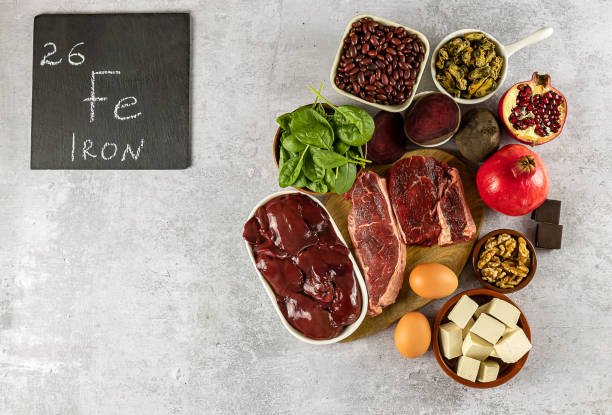
- Iron: 2–3 mg
- B-vitamins (especially niacin and thiamine)
Barley’s high fiber and nutrient content make it an excellent addition for supporting digestion, heart health, and energy.
How Is Barley Consumed and What Foods Are Made From It?
Barley can be cooked as a whole grain or milled into flour. Popular dishes include:
- Barley porridge or soup
- Salads with cooked barley
- Barley bread or muffins
- Beverages like barley tea or barley water
- Barley pilaf or risotto-style dishes
Its chewy texture and earthy flavor enhance both savory and sweet recipes. Barley can also be soaked, cooked, and added to various recipes for added nutrition.
What Health Problems Can Be Prevented by Eating Barley?
Regular consumption of barley can help prevent and manage several health issues:
- Heart disease: High fiber and selenium help reduce cholesterol and blood pressure.
- Digestive issues: Rich in soluble fiber (beta-glucan), it promotes healthy digestion and prevents constipation.
- Diabetes: The low glycemic index helps in blood sugar regulation.
- Obesity: Promotes satiety and reduces overeating.
- Nutritional deficiencies: Packed with essential minerals and vitamins that boost immunity.
Adding barley to your diet is a natural way to support long-term health.
What Are the Benefits of Barley?
Barley offers many health benefits:
- Supports heart health by lowering LDL cholesterol
- Promotes digestive health with high soluble fiber
- Helps control blood sugar levels and improve insulin sensitivity
- Aids in weight management by increasing fullness
- Provides antioxidants that fight oxidative stress
- Strengthens bones with calcium and magnesium content
Regular inclusion of barley helps improve overall vitality and disease resistance.
How Does Barley Play a Role in a Balanced Diet?
Barley is a nutritious grain that complements a balanced diet by providing complex carbs, fiber, and vital nutrients. It can replace refined grains in meals, supporting digestion, weight management, and energy levels. Combining barley with vegetables, proteins, and healthy fats creates wholesome, satisfying meals.
How Does Barley Contribute to Disease Prevention?
Barley’s high soluble fiber helps reduce cholesterol and blood pressure, lowering cardiovascular risk. Its antioxidants help fight inflammation and oxidative stress. Consuming barley regularly can also aid in blood sugar control, making it beneficial for diabetics.
What Are the Benefits of Barley for Children and the Elderly?
For children, barley provides essential nutrients for growth, brain development, and immunity. It is easy to digest and keeps energy levels high. For seniors, barley supports bone strength, digestion, and heart health. Its low allergenic profile makes it suitable for many age groups.
Which Type of Barley Is the Most Healthy?
Whole or hulled barley retains most nutrients and is the healthiest. Pearl barley, which is polished, has fewer nutrients but is more convenient. To maximize health benefits, opt for hulled or whole barley varieties.
Can Eating Barley Help Control Diabetes?
Yes, the low glycemic index and high fiber content of barley, particularly beta-glucan, help slow digestion and sugar absorption, aiding blood glucose management. Including barley in a balanced diet can be a good strategy for diabetics, along with medical advice.
What Are the Downsides of Barley?
Despite its benefits, some concerns include:
- Gluten content: Not suitable for those with celiac disease or gluten sensitivity.
- Anti-nutrients: Contains phytates that may hinder mineral absorption, but soaking or cooking reduces this.
- Overconsumption: Excessive intake may cause bloating or digestive discomfort.
- Availability: Not as widely available as rice or wheat in some regions.
Proper preparation and moderation make barley a safe and healthy addition.
Conclusion
Barley is a versatile, nutrient-dense grain that offers numerous health benefits. Its ability to support heart health, digestion, and blood sugar regulation makes it an excellent staple for a balanced diet. Incorporating various forms of barley into your meals can significantly enhance your overall well-being.
FAQs:(Frequently Asked Questions)
Which country produces the most barley?
Russia is the leading producer of barley, followed by France and Ukraine.
What should I do if I have a barley allergy or sensitivity?
Consult a healthcare professional. You can consider gluten-free grains like quinoa or millet as alternatives.
Related
Learn More
Rock Salt & Benefits: Why It’s a Natural Treasure
What Is Rock Salt?
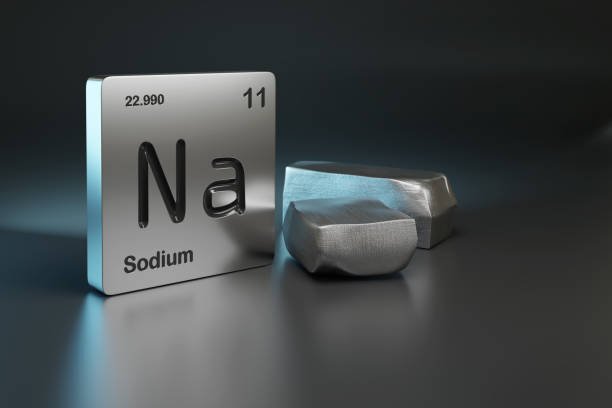
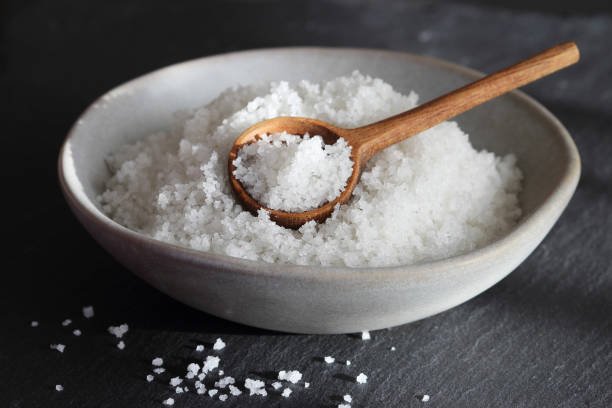
Rock Salt, also known as mineral or halite, is a naturally occurring crystalline mineral composed primarily of sodium chloride (NaCl). It forms through the evaporation of seawater or saline lakes over thousands of years. Unlike refined table salt, rock salt is coarse, unprocessed, and often used in various industrial, culinary, and medicinal applications.
What Is the Composition of Rock Salt?
The main component of rock salt is sodium chloride (NaCl). It contains large crystals of salt along with trace minerals like calcium, magnesium, and potassium, depending on its source. These minerals can give rock salt a slightly different color and mineral content compared to processed table salt.
Where Can You Find Rock Salt?
Rock salt deposits are found in many parts of the world, including underground salt mines and salt flats. Countries like the USA, India, China, and Germany are major producers. It is mined extensively for industrial use, de-icing roads in winter, and sometimes for culinary purposes.
What Are the Uses of Rock Salt?
Rock salt has a wide range of applications:
- Industrial: Used in the manufacture of chemicals, textiles, and glass.
- De-icing: Spread on roads and walkways during winter to melt ice.
- Culinary: Used in salt grinders, for seasoning, and in salt caves for therapy.
- Medicinal: Used in salt therapy rooms and for some traditional treatments.
- Preservation: Used for curing meats and preserving foods.
How Does Rock Salt Work?
In industrial and de-icing applications, rock salt works by lowering the freezing point of water, effectively melting ice and snow. When used in cooking or salt caves, its coarse texture and mineral content provide unique flavor and health benefits. Its ability to draw moisture and inhibit bacterial growth makes it an effective preservative.
How Important Is Rock Salt?
Rock salt is crucial in many industries and environmental applications. It helps keep roads safe in winter, supports chemical manufacturing, and is valued in holistic health practices like salt therapy. Its natural mineral content also offers potential health benefits in alternative medicine.
What Happens if You Use Too Little or Too Much Rock Salt?
Using too little rock salt in cooking or preservation might result in bland flavors or spoiled foods. Overuse, especially in de-icing or industrial settings, can cause environmental harm and health issues due to excessive mineral intake or runoff.
Why Do Rock Salt Deficiencies Occur?
Rock salt deficiency is rare since it is abundant in nature. However, in specific health treatments like salt therapy, inadequate exposure to salt caves or mineral-rich environments might limit benefits.
What Are the Signs of Too Little or Too Much Rock Salt?
Deficiency signs include muscle cramps or dehydration, while excessive intake can lead to high blood pressure, kidney strain, or other health problems. In environmental contexts, overuse during de-icing can cause water and soil contamination.
Is Rock Salt a Natural Ingredient?
Yes, rock salt is a natural mineral formed over millions of years and is mined directly from the earth. It undergoes minimal processing compared to refined table salt.
Is Rock Salt Healthy?
In moderation, rock salt can provide essential minerals and support respiratory health when used in salt therapy. However, excessive consumption can be harmful, especially for individuals with hypertension or kidney issues.
Is Rock Salt Harmful?
Excessive intake or improper use of rock salt can be harmful, leading to health problems like high blood pressure. Environmental overuse, such as in de-icing, can also cause ecological harm.
Does Rock Salt Help in Weight Loss?
There is limited scientific evidence to suggest that rock salt directly aids in weight loss. However, some believe that salt therapy and mineral-rich environments can improve overall well-being, which might support weight management indirectly.
Conclusion
Rock salt is a versatile, natural mineral with significant industrial, medicinal, and culinary uses. Its mineral content and natural formation make it unique. While beneficial when used properly, overuse or misuse can pose health and environmental risks. Responsible consumption and application are essential for harnessing its benefits safely.