Search
Close this search box.

Aspartame & Deficiency: Do You Need To Avoid It?

A packet of artificial sweetener labeled "Aspartame" beside a glass of diet soda.
Facebook
Twitter
LinkedIn

What Is Aspartame?

Aspartame is a low-calorie artificial sweetener widely used as a sugar substitute in various food and beverage products. It is approximately 200 times sweeter than sugar, so only a tiny amount is needed to achieve the desired sweetness. Aspartame is popular among people aiming to reduce calorie intake, manage weight, or control blood sugar levels, making it a common ingredient in diet sodas, sugar-free gums, and other processed foods.

What Are the Ingredients of Aspartame?

Aspartame is a chemical compound composed of three amino acids: phenylalanine, aspartic acid, and a methyl ester. When consumed, it breaks down into these components, which are naturally found in many foods and in the human body. Phenylalanine is a concern for people with phenylketonuria (PKU), a rare genetic disorder, as they cannot metabolize it properly.

Where Can You Find Aspartame?

Aspartame is present in thousands of products worldwide, including:

  • Diet sodas and sugar-free drinks
  • Sugar-free chewing gums
  • Low-calorie desserts and candies
  • Some dairy products
  • Packaged baked goods
  • Certain medications and vitamin supplements

It is often labeled as “Aspartame,” “Equal,” “NutraSweet,” or other brand names on food packaging.

What Are the Uses of Aspartame?

Aspartame is primarily used as a sweetener to:

  • Reduce calorie content in foods and drinks
  • Provide sweetness without affecting blood sugar levels significantly
  • Improve flavor in diet and sugar-free products
  • Help in weight management and diabetic diets

How Does Aspartame Work?

Once ingested, Aspartame is broken down in the digestive system into its amino acids and a small amount of methanol. These components are then absorbed into the bloodstream and used by the body for various functions. Because it is much sweeter than sugar, only a tiny quantity is needed to sweeten foods, making it an effective calorie-saving alternative.

How Healthy Is Aspartame?

Aspartame is generally considered safe by reputable health organizations like the FDA, WHO, and EFSA when consumed within recommended limits. However, some individuals may experience adverse reactions, and people with phenylketonuria (PKU) must avoid it entirely. Excessive intake may lead to health concerns, but for most people, moderate consumption is safe.

What Happens if You Consume Too Little or Too Much Aspartame?

  • Too Little: Aspartame is a non-essential ingredient; consuming very little or none won’t cause health issues.
  • Too Much: Excessive intake can lead to potential side effects such as headaches, dizziness, or digestive discomfort in sensitive individuals. In rare cases, high consumption might raise concerns about long-term health impacts, but current evidence suggests moderation is key.

What Causes a Deficiency of Aspartame?

Aspartame deficiency is not applicable since it is an artificial additive, not a nutrient required by the body. However, avoiding or limiting it is common for those with certain health conditions.

What Are the Signs of Too Little or Too Much Aspartame?

  • Too Little: No health issues arise from avoiding Aspartame.
  • Too Much: Potential symptoms include headaches, mood changes, or gastrointestinal issues. There are also concerns about its long-term effects if consumed excessively over time.

Is Aspartame a Natural Ingredient?

No, Aspartame is a synthetic chemical created in laboratories. It is not naturally occurring in foods but is formulated for use as a sweetener.

Does Aspartame Help in Weight Loss?

Yes, because it provides sweetness without calories, Aspartame can aid in weight management when used as a sugar substitute. However, it should be part of a balanced diet and healthy lifestyle.

Conclusion

Aspartame is a widely used artificial sweetener that offers a low-calorie alternative to sugar, making it popular among those seeking to reduce calorie intake or manage blood sugar levels. While considered safe by global health authorities, moderation is essential, especially for individuals with phenylketonuria or sensitivities. When used responsibly, Aspartame can be a helpful tool in a healthy diet.

FAQs:(Frequently Asked Questions)

Is Aspartame Harmful for Diabetes?

Aspartame is considered safe for most diabetics because it does not raise blood sugar levels significantly. However, individuals should monitor their response and consult healthcare providers.

Yes, natural alternatives include stevia, monk fruit, and erythritol, which also provide sweetness with fewer or no calories and may be suitable for those seeking more natural options.

Rock Salt & Benefits: Why It’s a Natural Treasure

A large chunk of natural rock salt with visible crystalline structure on a wooden surface.
Facebook
Twitter
LinkedIn

What Is Rock Salt?

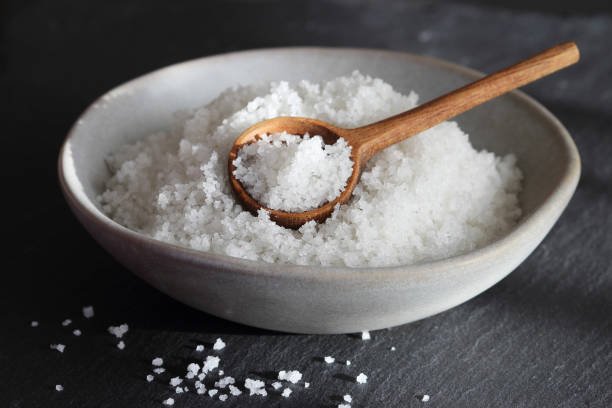
Rock Salt, also known as mineral or halite, is a naturally occurring crystalline mineral composed primarily of sodium chloride (NaCl). It forms through the evaporation of seawater or saline lakes over thousands of years. Unlike refined table salt, rock salt is coarse, unprocessed, and often used in various industrial, culinary, and medicinal applications.

What Is the Composition of Rock Salt?

The main component of rock salt is sodium chloride (NaCl). It contains large crystals of salt along with trace minerals like calcium, magnesium, and potassium, depending on its source. These minerals can give rock salt a slightly different color and mineral content compared to processed table salt.

Where Can You Find Rock Salt?

Rock salt deposits are found in many parts of the world, including underground salt mines and salt flats. Countries like the USA, India, China, and Germany are major producers. It is mined extensively for industrial use, de-icing roads in winter, and sometimes for culinary purposes.

What Are the Uses of Rock Salt?

Rock salt has a wide range of applications:

  • Industrial: Used in the manufacture of chemicals, textiles, and glass.
  • De-icing: Spread on roads and walkways during winter to melt ice.
  • Culinary: Used in salt grinders, for seasoning, and in salt caves for therapy.
  • Medicinal: Used in salt therapy rooms and for some traditional treatments.
  • Preservation: Used for curing meats and preserving foods.

How Does Rock Salt Work?

In industrial and de-icing applications, rock salt works by lowering the freezing point of water, effectively melting ice and snow. When used in cooking or salt caves, its coarse texture and mineral content provide unique flavor and health benefits. Its ability to draw moisture and inhibit bacterial growth makes it an effective preservative.

How Important Is Rock Salt?

Rock salt is crucial in many industries and environmental applications. It helps keep roads safe in winter, supports chemical manufacturing, and is valued in holistic health practices like salt therapy. Its natural mineral content also offers potential health benefits in alternative medicine.

What Happens if You Use Too Little or Too Much Rock Salt?

Using too little rock salt in cooking or preservation might result in bland flavors or spoiled foods. Overuse, especially in de-icing or industrial settings, can cause environmental harm and health issues due to excessive mineral intake or runoff.

Why Do Rock Salt Deficiencies Occur?

Rock salt deficiency is rare since it is abundant in nature. However, in specific health treatments like salt therapy, inadequate exposure to salt caves or mineral-rich environments might limit benefits.

What Are the Signs of Too Little or Too Much Rock Salt?

Deficiency signs include muscle cramps or dehydration, while excessive intake can lead to high blood pressure, kidney strain, or other health problems. In environmental contexts, overuse during de-icing can cause water and soil contamination.

Is Rock Salt a Natural Ingredient?

Yes, rock salt is a natural mineral formed over millions of years and is mined directly from the earth. It undergoes minimal processing compared to refined table salt.

Is Rock Salt Healthy?

In moderation, rock salt can provide essential minerals and support respiratory health when used in salt therapy. However, excessive consumption can be harmful, especially for individuals with hypertension or kidney issues.

Is Rock Salt Harmful?

Excessive intake or improper use of rock salt can be harmful, leading to health problems like high blood pressure. Environmental overuse, such as in de-icing, can also cause ecological harm.

Does Rock Salt Help in Weight Loss?

There is limited scientific evidence to suggest that rock salt directly aids in weight loss. However, some believe that salt therapy and mineral-rich environments can improve overall well-being, which might support weight management indirectly.

Conclusion

Rock salt is a versatile, natural mineral with significant industrial, medicinal, and culinary uses. Its mineral content and natural formation make it unique. While beneficial when used properly, overuse or misuse can pose health and environmental risks. Responsible consumption and application are essential for harnessing its benefits safely.

Leave a Comment

Your email address will not be published. Required fields are marked *

Scroll to Top