
Fruits: Nature’s Gift for a Strong Body and Mind
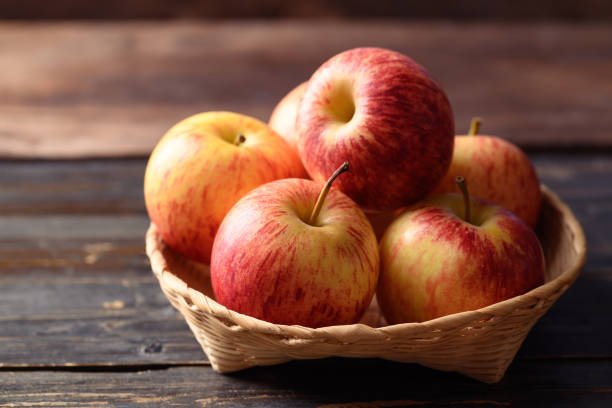






What Are Fruits?
Fruits are the edible, often sweet and colorful parts of plants that usually contain seeds. They develop from the flower of the plant and come in a wide variety of shapes, sizes, colors, and flavors. Fruits are not only delicious but also play a crucial role in ensuring health and vitality for people of all ages.
Why Are Fruits Important for Our Health?
Fruits are a treasure trove of essential nutrients, each of which has a unique and synergistic role in maintaining our health. Consuming a wide variety of fruits daily helps protect against numerous diseases, boosts the immune system, and keeps the body functioning at its best.
Complete Nutritional Value of Fruits
- Vitamins:
- Vitamin C: Strengthens immunity, promotes glowing skin, and acts as a powerful antioxidant (found in oranges, guava, kiwi).
- Vitamin A: Supports vision, skin health, and immunity (found in mango, papaya, watermelon).
- Vitamin K: Essential for blood clotting and bone health (found in grapes, kiwi).
- Vitamin E: Protects cells from damage and supports skin health (found in papaya, mango, avocados).
- Vitamin B-complex: Includes folic acid, niacin, thiamine, and more, important for brain function and energy production (found in bananas, avocados, citrus fruits).
- Minerals:
- Potassium: Controls blood pressure and supports heart health (found in bananas, oranges, melons).
- Magnesium: Helps muscle and nerve function, and bone strength (found in bananas, figs).
- Calcium: Needed for strong bones and teeth (found in oranges, blackberries).
- Iron: Essential for healthy blood and energy (found in dates, raisins).
- Phosphorus, Zinc, Selenium, Copper, Manganese—all present in various fruits and vital for metabolism, immunity, and cell health.
- Antioxidants & Phytochemicals:
- Fruits contain powerful antioxidants like flavonoids, polyphenols, carotenoids, anthocyanins, and lycopene which protect cells from oxidative damage, reduce inflammation, and lower the risk of chronic diseases like cancer and heart disease.
- Dietary Fiber:
- Fruits are excellent sources of soluble and insoluble fiber, aiding in digestion, promoting gut health, controlling cholesterol, and supporting healthy weight management.
- Natural Sugar:
- The natural sugars (fructose and glucose) in fruits provide quick energy without the harmful effects of added sugars.
- Water Content:
- Many fruits like watermelon, oranges, and strawberries are packed with water, helping to keep the body hydrated.
- Prebiotics:
- Certain fruits (like banana, apple) act as prebiotics, promoting the growth of healthy gut bacteria.
- Low in Fat & Calories:
- Most fruits are naturally low in fat and calories, making them ideal for maintaining a healthy weight.
Special Benefits of Fruits
- Boosts Immunity: Due to antioxidants, vitamins, and minerals.
- Prevents Chronic Diseases: Reduces risk of heart disease, stroke, diabetes, and some cancers.
- Improves Skin and Hair: Rich in vitamins, water, and antioxidants for a radiant look.
- Aids in Digestion: Fiber supports healthy bowel movements and prevents constipation.
- Good for Mental Health: Certain fruits may improve mood and cognitive function.
How to Eat and Store Fruits for Maximum Nutrition
- Eat a variety of fresh, raw, and seasonal fruits every day to maximize nutrient intake.
- Wash fruits properly before eating.
- Store fruits like apples and grapes in the refrigerator for freshness; bananas and mangoes are best at room temperature.
- Use cut fruits within a day for best taste and nutrition.
Conclusion
Fruits are not just delicious treats; they are nature’s most complete and balanced source of nutrition. Regularly including a colorful assortment of fruits in your diet will support your immune system, protect against disease, and keep you feeling energetic and healthy. Make fruits a daily habit for lifelong wellness!