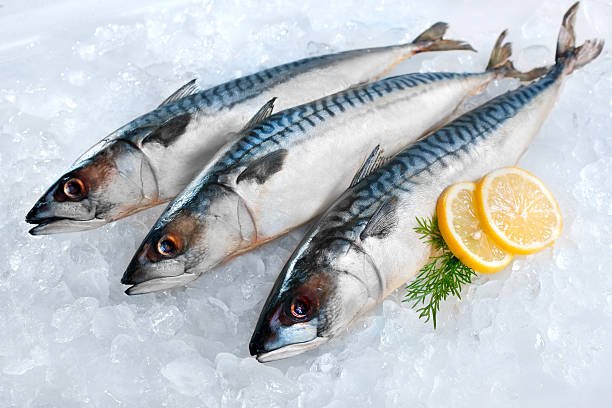
What is Mackerel? What is its Scientific Name?
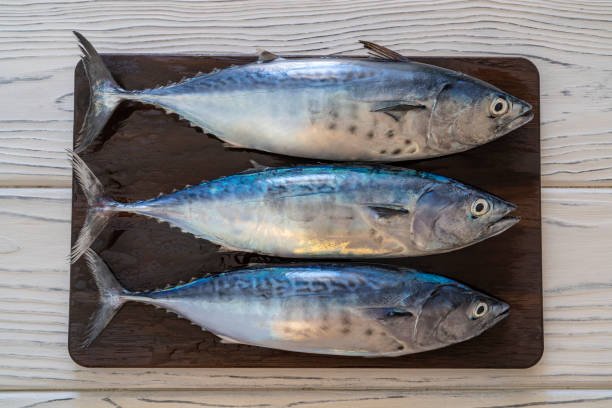
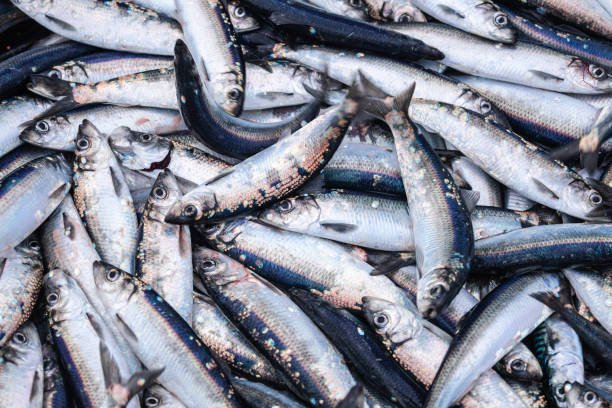
Mackerel is a popular oily saltwater fish known for its rich, flavorful flesh and high nutritional value. It belongs to the genus Scomber, with common species including Scomber scombrus (Atlantic mackerel) and Scomber japonicus (Pacific mackerel). Mackerel is widely enjoyed around the world for its taste and health benefits.
History and Origin of Mackerel
Mackerel has been a vital part of coastal diets for centuries, especially in Europe, North America, and Asia. Historically, mackerel was caught in large schools and preserved through smoking, salting, or canning, making it an accessible source of protein. Today, it continues to be a favorite seafood in many cuisines, valued both for its flavor and health benefits.
Nutritional Benefits of 100 grams of Mackerel Fish
A 100-gram serving of mackerel offers an impressive nutrient profile:
- Calories: About 205 kcal — provides energy for daily activities.
- Omega-3 Fatty Acids: Around 2.5 grams — essential for brain health, reducing inflammation, and heart health.
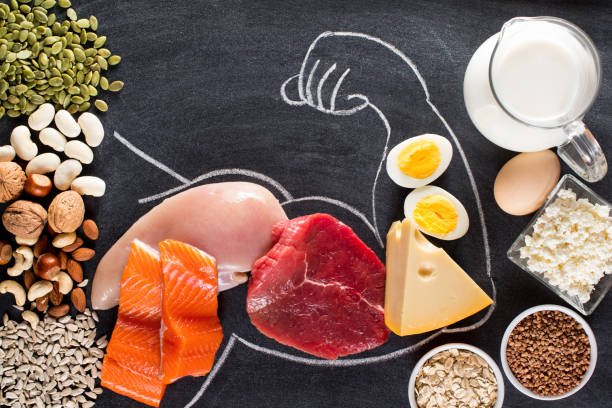
- Protein: 19-21 grams — high-quality protein supporting muscle growth and repair.
- Vitamins:
- Vitamin D: Supports bone strength and immune health.
- Vitamin B12: Important for nerve health and red blood cell formation.
- Vitamin B6 & Niacin: Help convert food into energy and maintain healthy skin and nerves.
- Minerals:
- Selenium: Acts as an antioxidant, protecting cells from damage.
- Magnesium: Supports nerve and muscle functions.
- Potassium: Helps regulate blood pressure and fluid balance.
- Phosphorus: Promotes healthy bones and teeth.
What Are the Health Benefits of Mackerel?
Regular consumption of mackerel can provide multiple health benefits:
- Supports Heart Health: Rich in omega-3s, which help lower bad cholesterol and blood pressure.
- Enhances Brain Function: DHA and EPA in mackerel boost cognitive performance and may reduce the risk of neurodegenerative diseases.
- Reduces Inflammation: Anti-inflammatory properties help manage autoimmune conditions like arthritis.
- Strengthens Immunity: Vitamins D and B12 support immune system function.
- Supports Bone Health: High in vitamin D and phosphorus, promoting strong bones and teeth.
What Are the Different Types of Mackerel?
Key types include:
- Atlantic Mackerel (Scomber scombrus): Popular in Europe and North America, known for its tender, flavorful flesh.
- Pacific Mackerel (Scomber japonicus): Abundant in the Pacific Ocean, used in various cuisines.
- King Mackerel (Scomberomorus cavalla): Larger, with a stronger flavor, popular in the southern US.
Where Are the Best Sources of Mackerel?
The top sources include:
- Europe (especially Norway and Iceland): Known for sustainable and high-quality mackerel fisheries.
- North America (USA and Canada): Major fishing regions for Atlantic and Pacific mackerel.
- Asia (Japan, Korea): Key consumer and exporter regions.
- Australia: Noted for wild-caught mackerel.
What Is the Price Range of Mackerel?
Mackerel is generally affordable:
- Fresh mackerel: Usually between $4 to $8 per pound.
- Canned mackerel: Cost around $2 to $4 per can.
- Frozen mackerel: Similar to fresh in price, available in bulk.
How Should Mackerel Be Stored?
- Fresh mackerel: Keep refrigerated at or below 4°C (39°F), and consume within 1-2 days.
- Frozen mackerel: Store in airtight packaging, and use within 3-6 months for best quality.
- Cooked mackerel: Refrigerate and consume within 2 days.
What Does Mackerel Taste Like?
Mackerel has a rich, oily, and slightly smoky flavor with a tender, flaky texture. Its strong taste makes it ideal for grilling, smoking, or marinating in various dishes.
Is Mackerel the Most Nutritious Fish?
Mackerel is considered highly nutritious due to its high omega-3 content, protein, and vitamins. While salmon is also rich in omega-3s, mackerel’s oily nature and nutrient density make it a top choice for health-conscious consumers.
Is Cod Liver Oil Made From Mackerel?
No, cod liver oil is derived specifically from cod fish livers, not mackerel. While mackerel is rich in omega-3s, it is not used for oil extraction.
How Does Frozen Mackerel Compare to Fresh?
Properly frozen mackerel retains most of its nutrients and flavor, making it nearly as nutritious as fresh. Freezing immediately after catch preserves freshness, and properly thawed mackerel cooks well.
Does Eating Mackerel Boost Disease Resistance?
Yes, the omega-3 fatty acids, vitamins, and minerals in mackerel support immune function, reduce inflammation, and promote overall health.
Which Country Produces the Most Mackerel?
Norway, Iceland, and Japan are among the leading producers and exporters of mackerel.
Which Country Consumes the Most Mackerel?
Japan, Norway, and Korea are top consumers, where mackerel is a common ingredient in many traditional dishes.
Which Country Is the Largest Commercial Producer of Mackerel?
Norway and Iceland lead in sustainable mackerel fishing and processing.
Where Is Mackerel Most Popular to Eat?
Mackerel is especially popular in Mediterranean countries, Japan, and East Asia, often enjoyed grilled, smoked, or in sushi.
Conclusion
Mackerel fish is a small but nutrient-rich ocean treasure packed with omega-3 fatty acids, high-quality protein, vitamins, and minerals. Its rich flavor, affordability, and health benefits make it an excellent addition to a balanced diet. Whether fresh, canned, or frozen, including mackerel in your meals can support your heart, brain, and overall health.