Fish: Essential Nutrition for Your Brain and Heart
What Role Does Fish Play in the Human Body?
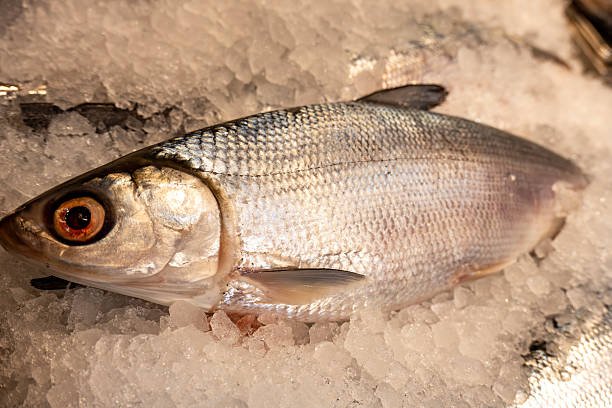
Fish is a vital source of high-quality protein, omega-3 fatty acids, vitamins, and minerals essential for maintaining overall health. Regular consumption of fish supports brain development, boosts heart health, improves vision, and enhances immune function. Omega-3 fatty acids found in fish are known to reduce inflammation, lower blood pressure, and decrease the risk of cardiovascular diseases. Fish nutrients are crucial for pregnant women, children, and the elderly, contributing significantly to growth, development, and longevity.
A Brief History of Fish
Humans have been fishing and consuming fish for thousands of years. Archaeological evidence suggests that ancient civilizations in Mesopotamia, Egypt, China, and Greece relied heavily on fish as a primary protein source. Fish was not only a vital food resource but also held cultural and spiritual significance in many societies. Over centuries, fishing techniques evolved from simple tools to modern commercial methods, making fish an integral part of global diets.
Which Fish Contains the Highest Omega-3 Content?
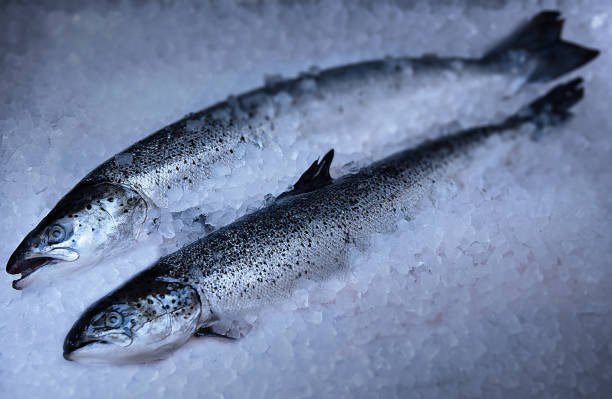
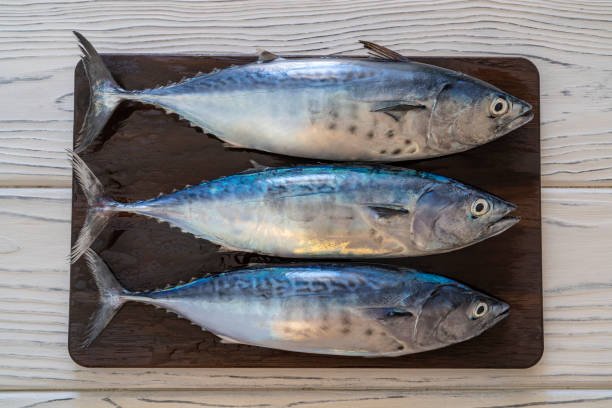
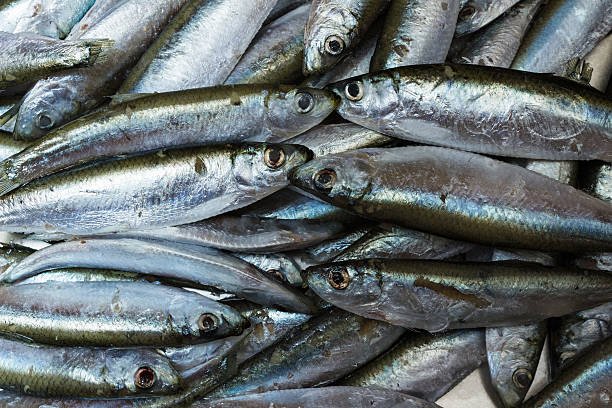
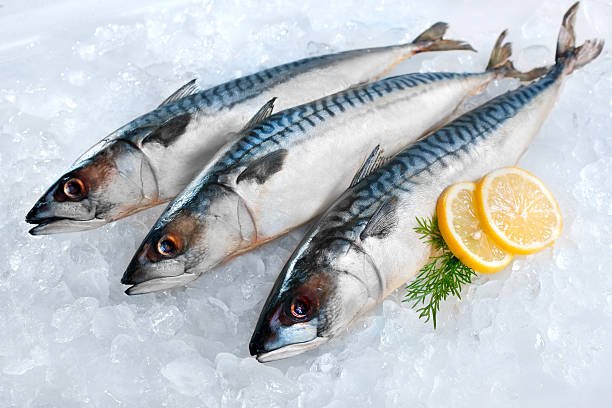
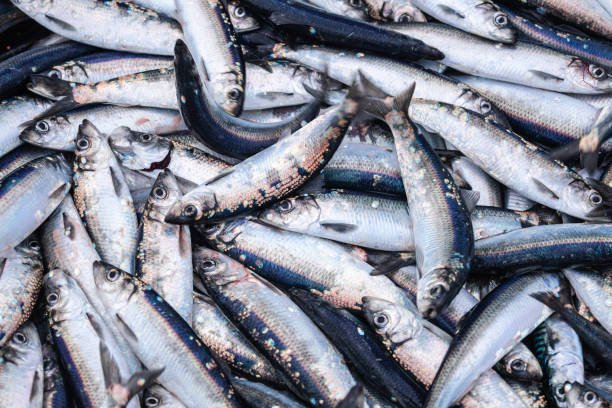
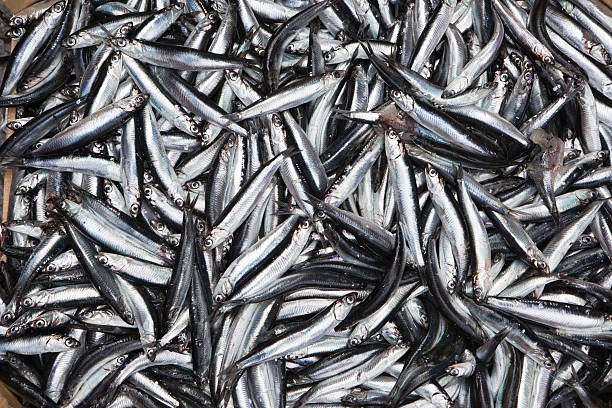
Fatty fish such as mackerel, salmon, sardines, and herring are renowned for their high omega-3 fatty acid content. Among these, mackerel stands out as one of the richest sources, containing significantly higher levels of omega-3s compared to other fish. Omega-3 fatty acids are essential for brain health, reducing inflammation, and preventing heart-related issues.
Is Eating Fish Every Day Safe?
For most people, eating fish daily is safe and beneficial, provided the fish is fresh and properly cooked. However, some fish may contain trace amounts of mercury and other toxins, so moderation is advised. Pregnant women, nursing mothers, and young children should be cautious and choose low-mercury options like salmon, sardines, and trout. Overall, including fish in your diet 2-3 times a week offers maximum health benefits without risks.
Which Fish Is an Excellent Source of Protein?
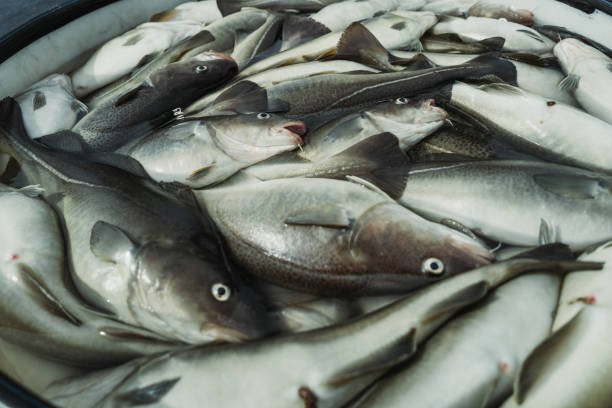
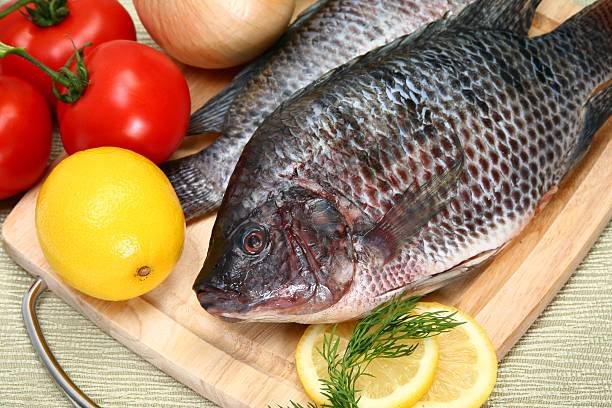
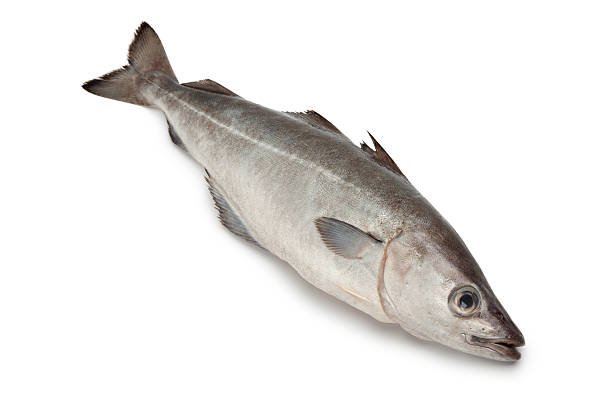
Most fish are rich in high-quality protein, but particularly lean fish like cod, tilapia, and haddock are excellent sources. These fish provide substantial protein with lower fat content, making them ideal for muscle building, weight management, and overall health.
Does Cod Liver Oil Come from Fish?
Yes, cod liver oil is derived from the livers of cod fish. It is a concentrated source of omega-3 fatty acids, vitamin A, and vitamin D. Historically used as a supplement, cod liver oil supports bone health, boosts immunity, and improves skin health.
Which Fish Is Good for Cholesterol?
Fish rich in omega-3s, such as salmon, mackerel, and sardines, are beneficial for lowering bad cholesterol (LDL) levels and increasing good cholesterol (HDL). Regular consumption of these fish helps maintain healthy lipid profiles and reduces the risk of heart disease.
What Is the Correct Method to Wash Fish?
To wash fish properly:
- Rinse the fish under cold running water.
- Use a brush or your hands to gently scrub the surface.
- Remove any scales, blood, or slime.
- Pat dry with a clean towel before cooking or storing.
Proper washing ensures hygiene and removes contaminants or impurities.
Why Does Fish Smell?
Fish emits a distinct smell due to compounds like trimethylamine, which are produced when fish begins to decay or spoil. Fresh fish has a mild, ocean-like scent, whereas spoiled fish develops a strong, pungent odor. Proper storage and quick cooking prevent unpleasant smells.
Is Frozen Fish as Fresh as Fresh Fish?
Frozen fish can be as fresh as, or even fresher than, refrigerated fish if frozen immediately after catching. Freezing preserves nutrients and flavor, making it a convenient alternative. However, improper freezing or thawing can affect texture and taste, so proper handling is key.
Which Country Consumes the Most Fish?
China leads global fish consumption, followed by Indonesia, India, Japan, and Norway. These countries have extensive coastlines, fishing industries, and cultural reliance on fish as a staple food.
Are All Fish Halal in Islam?
In Islam, most fish are considered halal (permissible), including freshwater and saltwater varieties. Fish with scales and fins are generally accepted, while some other seafood or aquatic creatures may be considered haram (forbidden) depending on interpretation.
Are Certain Fish Forbidden in Hinduism?
In Hinduism, fish like catfish or certain species are sometimes considered taboo or prohibited in specific communities due to cultural or religious beliefs. However, many Hindus consume fish, especially in coastal regions, where it is a dietary staple.
Can Fish Be Eaten During Fasting?
Yes, many fasting traditions, including Islamic Ramadan and certain Hindu fasts, permit eating fish. Fish is considered a nutritious, light, and permissible source of protein during fasting periods.
What Does the Quran Say About Fish?
The Quran explicitly mentions fish as a lawful (halal) food in Surah Al-Ma’idah (5:96): “Lawful to you is the pursuit of water-game and its food as a provision for you and for travelers.” Fish is regarded as a clean and permissible source of nourishment.
How Does Fish Breathe?
Fish breathe through gills, which extract oxygen from water. Water flows over the gill filaments, where oxygen is absorbed into the bloodstream, allowing fish to survive underwater.
Do Fish Lay Eggs or Give Birth to Live Young?
Most fish reproduce by laying eggs (oviparous), which they deposit in water. However, some species, like certain sharks and livebearers, give birth to live young.
What Is the Vision of Fish Like?
Fish generally have good eyesight adapted for underwater conditions. Their eyes are often capable of detecting movement and contrast, helping them hunt prey and avoid predators. Some species can see in low light or murky waters.
Which Fish Is Best for Pond Culture?
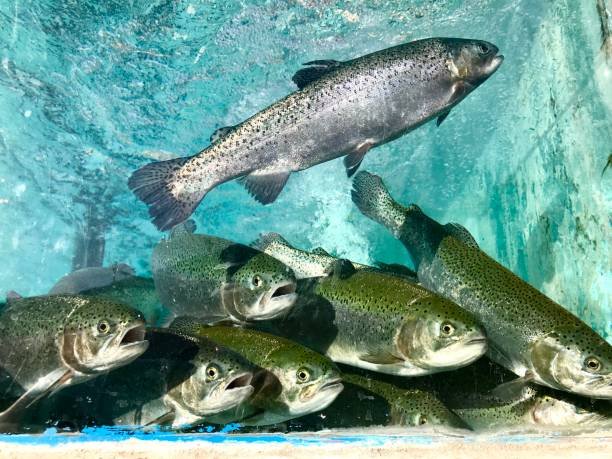
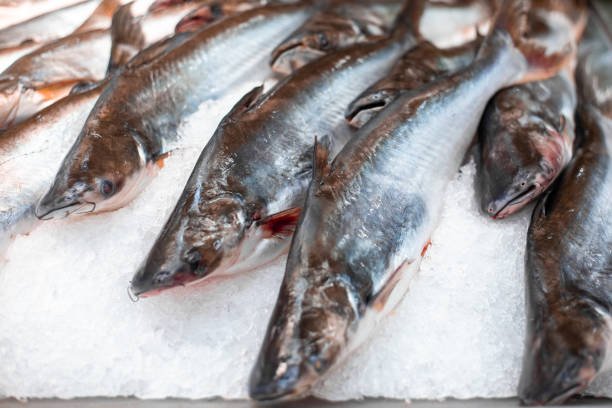
Common pond fish include catfish, tilapia, carp, and trout. The best choice depends on local climate, water conditions, and market demand. Carp and tilapia are popular for their fast growth and adaptability.
How Do You Determine the Age of a Fish?
Fish age can be estimated by examining growth rings in their scales, otoliths (ear stones), or bones. These rings form annually, similar to tree rings, providing an accurate age estimate.
Difference Between Marine and Freshwater Fish
Marine fish inhabit saltwater environments like oceans, while freshwater fish live in rivers, lakes, and ponds. Marine fish tend to have adaptations for salt regulation, whereas freshwater fish manage different osmotic balances.
Farmed Fish vs. River Fish — Which Is Better?
Both have advantages:
- Farmed fish are controlled for quality and availability.
- Wild river fish often have a more natural diet and environment.
Choosing depends on sustainability, health, and taste preferences.
What Is Hybrid Fish?
Hybrid fish are the result of crossing two different fish species to combine desirable traits like faster growth, disease resistance, or better taste. An example is hybrid catfish used in aquaculture.
Conclusion
Fish is an invaluable part of human diet and ecosystems, offering essential nutrients like omega-3 fatty acids, high-quality protein, and vital minerals. Whether wild or farmed, freshwater or saltwater, fish supports health and sustains livelihoods worldwide. Proper handling, understanding religious and cultural perspectives, and sustainable fishing practices ensure that fish remains a nourishing and environmentally friendly resource for generations to come.