Why Taro Stalks a Superfood for Your Health
What are Taro Stalks?
Taro stalks are the green, leafy, and fibrous stems of the taro plant. They are often discarded but are actually highly nutritious and edible. The stalks have a crunchy texture and mild flavor, making them a popular ingredient in various traditional dishes, especially in Asian cuisine.
Where are Taro Stalks Usually Grown?
Taro stalks are cultivated in regions where taro is grown, mainly in tropical and subtropical areas. Major producers include China, the Philippines, Nigeria, and India. They are harvested along with the taro root and are often used fresh or preserved.
History and Origin of Taro Stalks
Taro, including its stalks, has been cultivated for thousands of years, originating in Southeast Asia and the Pacific Islands. The stalks have traditionally been used for food and medicine in many cultures, especially in Asian countries.
Which Country’s Food Are Taro Stalks Most Popular In?
Taro stalks are most popular in Chinese, Filipino, and other East Asian cuisines. They are commonly used in soups, stir-fries, and salads in these regions.
Nutritional Benefits of 100 grams of Taro Stalks
While exact data for stalks alone can vary, they generally provide:
- Calories: Low (around 20-30 kcal)
- Rich in dietary fiber
- Vitamins: Vitamin C, B vitamins
- Minerals: Calcium, potassium, magnesium
- Antioxidants and phytochemicals
They are low in fat and calories but high in essential nutrients and fiber.
How Do Taro Stalks Benefit Our Health and Nutrition?
Taro stalks are high in dietary fiber, which supports digestion and helps prevent constipation. They contain antioxidants that combat free radicals, boosting immunity and skin health. Their mineral content supports bone strength and electrolyte balance.
Taro Stalks as a Defender Against Diseases
Research suggests that the antioxidants and phytochemicals in taro stalks may help reduce inflammation, lower cholesterol, and improve overall metabolic health. Their fiber helps regulate blood sugar levels, making them beneficial for diabetics.
Different Types and Varieties of Taro Stalks
There are different varieties of taro plants, with stalks varying in size, color, and texture depending on the region. The stalks are usually green and fibrous, with some varieties having more tender stems suitable for cooking.
How are Taro Stalks Cultivated and Harvested?
Taro stalks are harvested along with the root tubers, usually when the plant matures after 8-12 months. The stalks are cut from the main plant, cleaned, and can be used fresh or preserved. They thrive in moist, well-drained soil with plenty of sunlight.
Why are Taro Stalks Considered a Superfood?
Taro stalks are packed with fiber, vitamins, minerals, and antioxidants. Their ability to support digestion, boost immunity, and help regulate blood sugar makes them a superfood in traditional diets.
Which Country Produces the Most Taro Stalks?
China, the Philippines, Nigeria, and India lead in taro cultivation and stalk harvesting. These countries have favorable climates for taro farming and large-scale production systems.
Recent Research and New Discoveries about Taro Stalks
Recent studies highlight their potential in reducing inflammation, supporting gut health, and managing blood sugar. Researchers are exploring their use in functional foods and traditional medicine.
How Can We Incorporate Taro Stalks into Our Meals?
Taro stalks can be prepared in various ways:
- In soups and broths
- Stir-fried with spices and vegetables
- Pickled or fermented
- Used as a filling in savory pastries
- Blended into smoothies for added fiber
Are Taro Stalks Safe for Pregnant Women and Children?
Yes, when properly cooked, taro stalks are safe and nutritious for pregnant women and children. They provide vital nutrients and fiber. Raw stalks should be cooked thoroughly to avoid any fibrous or astringent taste.
Do Taro Stalks Help with Digestion and Weight Loss?
Absolutely. The high fiber content supports healthy digestion and promotes a feeling of fullness, aiding in weight management. They also help regulate blood sugar levels.
Are There Any Downsides to Eating Taro Stalks?
Raw taro stalks contain oxalates, which can cause irritation or discomfort if not cooked properly. Overconsumption of fibrous stems may cause mild digestive issues. Always cook thoroughly before eating.
Conclusion
Taro stalks are a nutritious, versatile, and often overlooked part of the taro plant. Packed with fiber, vitamins, and antioxidants, they support digestion, immunity, and metabolic health. Incorporate taro stalks into your diet to enjoy their health benefits and unique texture.

Related
Learn More
Calcium & Sources: How to Boost Your Daily Intake
What Is Calcium?
Calcium is a vital mineral essential for maintaining strong bones and teeth, supporting nerve function, muscle contraction, and blood clotting. It is the most abundant mineral in the human body, making up about 1.5% of total body weight. Without adequate calcium, our body cannot perform these critical functions properly.
What Is Calcium Made Of?
Calcium is a chemical element with the symbol Ca and atomic number 20. In the human body, it exists in the form of calcium salts within bones and teeth, providing structure and strength. It also circulates in the bloodstream, participating in various physiological processes.
Where Is Calcium Found?
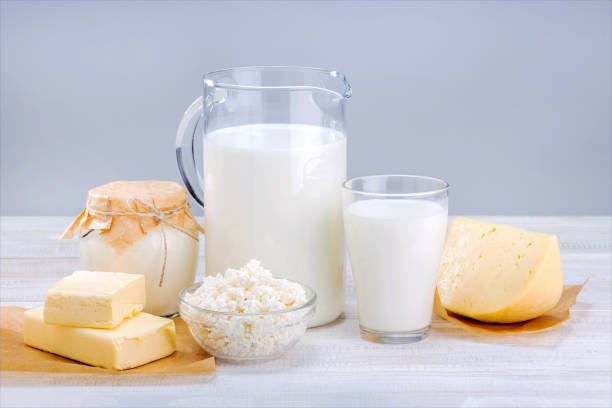
Calcium is naturally found in many foods, especially dairy products like milk, cheese, and yogurt. It is also present in leafy green vegetables (like spinach and kale), almonds, sesame seeds, fish (like salmon and sardines), and fortified foods such as cereals and plant-based milk. Additionally, calcium supplements are available for those who need extra intake.
Does Calcium Make Our Bones and Teeth Strong?
Absolutely! Calcium is the primary building block of bones and teeth. About 99% of the body’s calcium is stored in these structures, giving them strength and density. Adequate calcium intake during childhood, adolescence, and early adulthood is crucial for developing a strong skeletal system.
How Important Is Calcium?
Calcium is extremely important for overall health. It supports bone density, prevents osteoporosis, helps in muscle function, facilitates nerve signal transmission, and is vital for blood clotting. Maintaining optimal calcium levels is essential for both children and adults to prevent health issues.
What Happens If Calcium Is Deficient?
A deficiency in calcium can lead to weakened bones, increased risk of fractures, and conditions like osteoporosis. In children, calcium deficiency can impair growth and development. Symptoms like muscle cramps, numbness, and abnormal heart rhythms may also appear with severe deficiency.
What Are the Signs of Too Little or Too Much Calcium?
Low calcium symptoms include muscle cramps, tingling in fingers, fatigue, and brittle bones. Excess calcium, often from supplements, can cause kidney stones, constipation, and interfere with the absorption of other minerals. It may also lead to abnormal heart rhythms.
How Can You Fill the Calcium Gap?
To address calcium deficiency, include calcium-rich foods in your diet, such as dairy, leafy greens, and fortified products. Supplements can be taken if recommended by a healthcare provider. Additionally, vitamin D helps calcium absorption, so ensure adequate sunlight exposure or supplements if needed.
How Is Calcium Made or Produced?
Calcium is a naturally occurring mineral obtained from rocks and minerals like limestone, which is processed to produce calcium carbonate and other supplements used in food fortification and medicine.
Is Calcium a Natural Ingredient?
Yes, calcium is a naturally occurring mineral found in the earth’s crust and in many foods. It has been part of the human diet for thousands of years, primarily through dairy and plant-based sources.
Is Calcium Suitable for All Ages?
Yes! Calcium is essential for all age groups. Children need it for growth, teenagers for bone development, adults for maintaining bone density, and older adults to prevent osteoporosis. Adequate calcium intake benefits everyone.
Is Calcium Beneficial for Children?
Absolutely! Calcium is crucial for children’s growth, bone development, and overall health. Adequate calcium intake during childhood and adolescence builds a strong skeletal foundation for lifelong health.
Conclusion
Calcium is an indispensable mineral vital for maintaining healthy bones, teeth, and overall bodily functions. Ensuring sufficient calcium intake through diet or supplements, along with vitamin D, helps prevent deficiency-related health issues like osteoporosis and supports growth and development at every age.
FAQs:(Frequently Asked Questions)
Is Calcium Harmful for Diabetes?
Calcium itself is not harmful for diabetics and may even support overall health. However, excessive calcium intake from supplements should be avoided, as it can cause other health issues. Always consult a healthcare provider for personalized advice.
Are There Alternatives to Calcium?
Yes, plant-based sources like kale, broccoli, almonds, and fortified plant milks are good alternatives. Vitamin D also plays a critical role in calcium absorption, so maintaining optimal vitamin D levels is essential.
Does Calcium Help in Weight Loss?
Calcium alone does not directly cause weight loss. However, some studies suggest that adequate calcium intake may help regulate appetite and fat metabolism, supporting a healthy weight when combined with proper diet and exercise.