What is Taro?
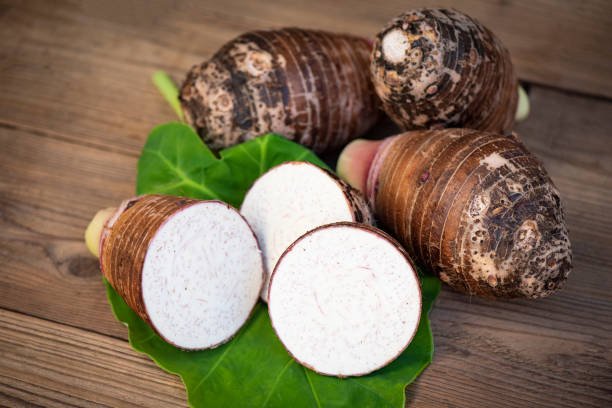
Taro is a starchy root vegetable with a brown, hairy outer skin and a purple or white flesh inside. It has a slightly sweet, nutty flavor and a chewy texture. Widely used in Asian, African, and Pacific cuisines, taro is valued for its nutritional benefits and versatility in cooking.
Where is Taro Usually Grown?
Taro is cultivated mainly in tropical and subtropical regions. Major producers include China, Nigeria, India, the Philippines, and Pacific Island nations. China is the largest producer, with extensive cultivation across its southern provinces.
History and Origin of Taro
Taro has been cultivated for over 3,000 years, originating in Southeast Asia and the Pacific Islands. It has a long history as a staple food and medicinal plant in many cultures, especially in Asian and Oceanic regions.
Which Country’s Food Is It Most Popular In?
Taro is especially popular in Chinese, Filipino, Hawaiian, and West African cuisines. It is used in dishes like taro bubble tea, desserts, soups, and stir-fries.
Nutritional Benefits of 100 grams of Taro
A 100-gram serving of taro provides:
- Calories: About 142 kcal
- Carbohydrates: 34 grams
- Protein: 1.5 grams
- Dietary fiber: 4 grams
- Vitamins: Vitamin C, Vitamin E, B vitamins, and small amounts of Vitamin A
- Minerals: Potassium, magnesium, phosphorus, and iron
Taro is rich in complex carbohydrates, fiber, and antioxidants.
How Does Taro Benefit Our Health and Nutrition?
Taro is a good source of dietary fiber, which supports digestion and helps control blood sugar levels. Its antioxidants help fight free radicals, supporting immunity and skin health. The minerals contribute to bone health and overall vitality.
Taro as a Defender Against Diseases
Research shows that taro’s antioxidants and fiber may help reduce inflammation, lower cholesterol, and improve blood sugar regulation. Its prebiotic properties support gut health and immunity.
Different Types and Varieties of Taro
There are several varieties of taro, including purple-fleshed, white-fleshed, and different shapes and sizes. The taste and texture are generally similar, but some varieties are more suitable for desserts, while others are used in savory dishes.
How is Taro Cultivated and Harvested?
Taro is grown from corms or tubers in warm, moist soil with plenty of sunlight. It requires regular watering and is harvested when the leaves turn yellow and the corms are fully mature. Proper harvesting ensures better flavor and longer shelf life.
Why is Taro Considered a Superfood?
Taro is called a superfood because it is packed with fiber, antioxidants, vitamins, and minerals. Its ability to support digestion, regulate blood sugar, and boost immunity makes it an excellent addition to a healthy diet.
Which Country Produces the Most Taro?
China leads global production, followed by Nigeria, the Philippines, and India. These countries have favorable climates and large-scale farming systems supporting extensive cultivation.
Recent Research and New Discoveries about Taro
Recent studies highlight its potential in managing blood sugar, reducing cholesterol, and supporting gut health. Researchers are exploring its use in functional foods and traditional medicine for overall wellness.
How Can We Incorporate Taro into Our Meals?
Taro can be enjoyed in many ways:
- In desserts like taro pudding and bubble tea
- As a boiled or steamed side dish
- Made into chips or fries
- In soups and stews
- As a filling in pastries and buns
Is Taro Safe for Pregnant Women and Children?
Yes, taro is nutritious and safe when cooked properly. It provides essential nutrients that support growth and development. However, raw taro contains calcium oxalate, which can cause irritation, so always cook thoroughly.
Does Taro Help with Weight Loss and Digestion?
Absolutely. Its high fiber content promotes fullness, aids digestion, and helps regulate blood sugar—beneficial for weight management.
Are There Any Downsides to Eating Taro?
Raw taro contains calcium oxalate, which can cause throat irritation and discomfort. Overconsumption of large amounts may lead to digestive issues. Always cook taro properly before eating.
Conclusion
Taro is a nutritious, versatile, and delicious root vegetable that offers many health benefits. Its ability to support digestion, regulate blood sugar, and provide essential nutrients makes it a valuable addition to your diet. Incorporate taro into your meals and enjoy its unique flavor and health-promoting properties.