What Are Anthocyanins and Why Are They Important for the Body?
Anthocyanins are water-soluble pigments belonging to the flavonoid group of phytochemicals, responsible for giving many fruits and vegetables their vibrant red, purple, and blue colors. These natural antioxidants play a crucial role in protecting cells from oxidative stress caused by free radicals. Their health benefits include supporting cardiovascular health, reducing inflammation, improving vision, and enhancing brain function. Incorporating anthocyanin-rich foods into your diet can significantly boost your overall health and help prevent chronic diseases.
Which Foods or Fruits and Vegetables Contain Anthocyanins?
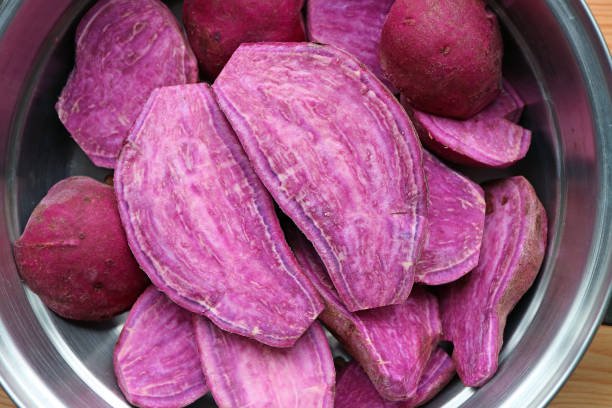
Anthocyanins are abundant in a variety of colorful fruits and vegetables. Popular sources include berries such as blueberries, blackberries, raspberries, and chokeberries, along with grapes, cherries, plums, and elderberries. Vegetables like red cabbage, purple carrots, and eggplant also contain significant amounts. Consuming a rainbow of these foods helps ensure you get enough anthocyanins to leverage their health-promoting properties.
What Problems Can Arise from a Deficiency of Anthocyanins?
A deficiency in anthocyanins may lead to increased vulnerability to oxidative stress, which can accelerate aging and increase the risk of chronic illnesses such as heart disease, diabetes, and certain cancers. It may also impair visual health, weaken immune defense, and contribute to inflammation. Over time, a lack of these potent antioxidants can diminish overall cellular health and vitality.
Are There Risks of Taking Too Much Anthocyanins?
Generally, anthocyanins from natural foods are safe and beneficial. However, excessive intake through supplements could potentially cause stomach upset, allergic reactions, or interfere with certain medications. High doses might also lead to gastrointestinal discomfort or discoloration of bodily tissues temporarily. As with all nutrients, moderation is key, and it is best to focus on obtaining anthocyanins through a balanced diet.
Which Parts of the Body Need Anthocyanins the Most?
Anthocyanins are particularly vital for eye health, helping to reduce the risk of age-related macular degeneration and cataracts. They also promote healthy skin by fighting oxidative damage and supporting collagen integrity. The cardiovascular system benefits greatly, as anthocyanins improve blood vessel function and reduce inflammation. Overall, every tissue and organ can benefit from the antioxidant properties of anthocyanins.
How Much Anthocyanins Do Different Age Groups Need?
There are no specific daily recommended intakes for anthocyanins, but including a variety of colorful fruits and vegetables daily provides sufficient amounts across all age groups. Children, adults, and the elderly should all aim to consume a diet rich in these pigments to support ongoing health, immune function, and disease prevention.
What Are the Effects of Too Little or Too Much Anthocyanins in the Diet?
Insufficient intake of anthocyanins can lead to increased oxidative stress, aging, and a higher risk of chronic illnesses. Conversely, consuming excessive amounts, especially through supplements, may cause gastrointestinal issues or allergic reactions. Maintaining a balanced diet with natural sources of anthocyanins ensures optimal health benefits without adverse effects.
Are Anthocyanins Supplements Safe and Effective?
When consumed as part of a balanced diet, anthocyanins are safe and highly beneficial. Supplements can be effective for boosting intake, especially if dietary consumption is inadequate. However, high-dose supplements should be used cautiously, as they may cause side effects or interact with medications. Consulting a healthcare professional before starting any supplement regimen is recommended.
Do Anthocyanins Interact with Other Nutrients or Substances?
Yes, anthocyanins can work synergistically with other antioxidants like vitamin C and vitamin E to enhance their protective effects. They may also influence the absorption of certain nutrients, and high doses might interfere with blood clotting or medication effectiveness. A diverse diet rich in various phytochemicals promotes optimal health benefits.
Why Are Anthocyanin Levels Tested in Medical Diagnostics?
Measuring anthocyanin levels can help assess nutritional status and the body’s antioxidant capacity. It may be particularly useful in evaluating the risk of oxidative stress-related diseases or monitoring the effectiveness of dietary interventions. Additionally, it can serve as an indicator of fruit and vegetable intake, supporting overall health management.