Search
Close this search box.

Lycopene & Nutrients: How They Protect Your Cells

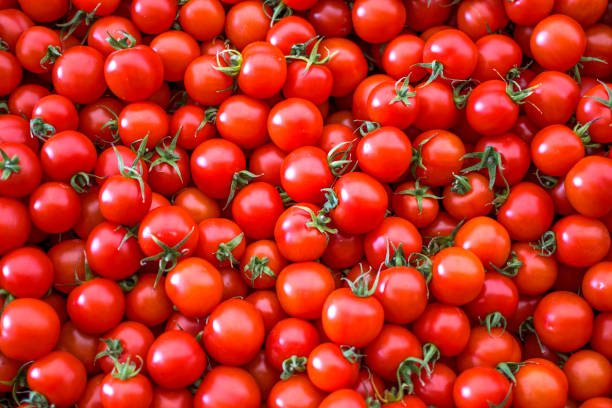
Bright red tomatoes and watermelon slices highlighting natural sources of Lycopene.
Facebook
Twitter
LinkedIn

What Is Lycopene and Why Is It Important for the Body?

Lycopene is a powerful natural pigment belonging to the carotenoid family, responsible for giving tomatoes, watermelons, pink grapefruits, and other red fruits and vegetables their vibrant color. It is a potent antioxidant that helps protect cells from oxidative damage caused by free radicals. Lycopene plays a significant role in promoting heart health, supporting immune function, and reducing the risk of chronic diseases such as cancer. Its antioxidant properties also contribute to healthy skin and eyes, making it an essential nutrient for overall wellness.

Which Foods or Fruits and Vegetables Contain Lycopene?

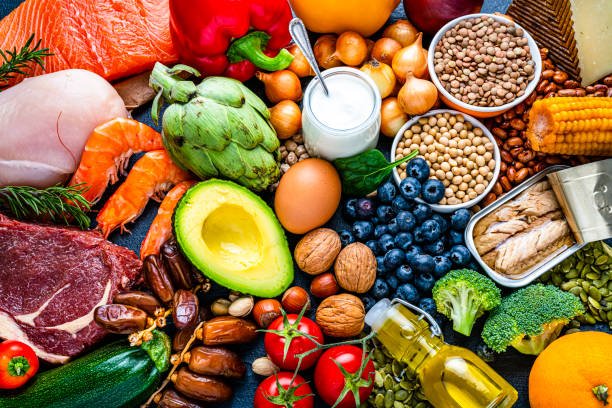
Lycopene is most abundantly found in red and pink fruits and vegetables. The richest sources include ripe tomatoes and tomato-based products like tomato sauce, ketchup, and paste. Watermelon, pink grapefruit, papaya, and guava are also excellent sources. Consuming a variety of these colorful foods regularly ensures you get an adequate intake of Lycopene, supporting your body’s antioxidant defenses and overall health.

What Problems Can Arise from a Deficiency of Lycopene?

A deficiency in Lycopene may lead to increased vulnerability to oxidative stress, which can accelerate cellular aging and increase the risk of chronic diseases like cardiovascular disease and certain cancers. It may also impair skin health, resulting in dullness and premature aging. Moreover, a lack of Lycoene’s protective effects can weaken the immune system, making the body less effective at fighting infections.

Are There Risks of Taking Too Much Lycopene?

While Lycopene is beneficial, excessive intake, especially through supplements, can cause harmless skin discoloration known as carotenemia, where the skin turns yellowish or orange. Although this condition is not dangerous, it can be cosmetically undesirable. Very high doses of Lycopene supplements might also lead to gastrointestinal discomfort or interact with certain medications. Therefore, it’s safest to consume Lycopene primarily through natural food sources and adhere to recommended amounts.

Which Parts of the Body Need Lycopene the Most?

Lycopene is particularly vital for the eyes, where it helps prevent age-related macular degeneration and cataracts. It also benefits the skin by protecting against UV-induced damage and promoting a youthful appearance. The cardiovascular system benefits from Lycopene’s ability to reduce oxidative stress on arteries, lowering the risk of heart disease. In general, all cells and tissues benefit from the antioxidant protection that Lycopene provides.

How Much Lycopene Do Different Age Groups Need?

There are no specific daily intake recommendations for Lycopene, but including it regularly in your diet is crucial across all ages. Children, adults, and seniors should aim to consume adequate amounts of Lycopene-rich foods. For those at higher risk of chronic diseases or with specific health concerns, increasing intake through diet or supplements (under medical supervision) may provide additional benefits.

What Are the Effects of Too Little or Too Much Lycopene in the Diet?

Insufficient Lycopene intake may lead to reduced antioxidant protection, increasing the risk of oxidative damage, aging, and disease development. Conversely, excessive intake from supplements can cause skin discoloration and, in rare cases, gastrointestinal issues. Maintaining a balanced diet with natural sources of Lycopene is the best way to enjoy its health benefits safely.

Are Lycopene Supplements Safe and Effective?

Lycopene supplements are generally safe when taken within recommended doses. They can be effective in boosting antioxidant levels, especially for individuals who do not consume enough through diet. However, excessive supplementation could lead to side effects like skin discoloration or gastrointestinal discomfort. It’s always best to consult a healthcare provider before starting any supplement regimen.

Do Lycopene Interact with Other Nutrients or Substances?

Yes, Lycopene works synergistically with other antioxidants like vitamins C and E to enhance protective effects against oxidative stress. It may also compete with other carotenoids for absorption, so a varied diet ensures balanced intake. Certain medications or health conditions can influence Lycopene’s absorption or effectiveness, so professional advice is recommended if you are on medication.

Why Are Lycopene Levels Tested in Medical Diagnostics?

Measuring Lycopene levels can help assess nutritional status and antioxidant capacity, especially in individuals with chronic illnesses or at risk of oxidative stress-related diseases. It can also serve as an indicator of overall fruit and vegetable intake. Monitoring Lycopene levels can guide dietary adjustments or supplementation strategies to optimize health and disease prevention.

Rock Salt & Benefits: Why It’s a Natural Treasure

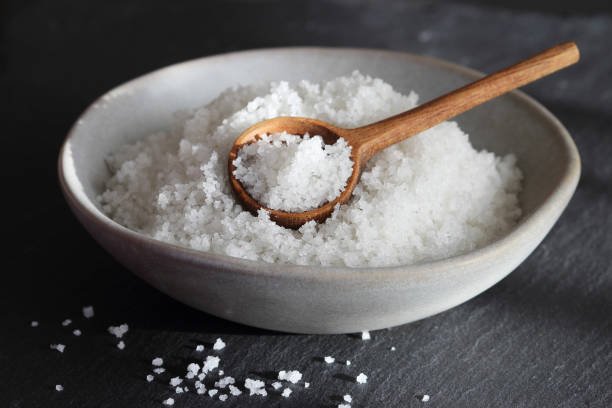
A large chunk of natural rock salt with visible crystalline structure on a wooden surface.
Facebook
Twitter
LinkedIn

What Is Rock Salt?

Rock Salt, also known as mineral or halite, is a naturally occurring crystalline mineral composed primarily of sodium chloride (NaCl). It forms through the evaporation of seawater or saline lakes over thousands of years. Unlike refined table salt, rock salt is coarse, unprocessed, and often used in various industrial, culinary, and medicinal applications.

What Is the Composition of Rock Salt?

The main component of rock salt is sodium chloride (NaCl). It contains large crystals of salt along with trace minerals like calcium, magnesium, and potassium, depending on its source. These minerals can give rock salt a slightly different color and mineral content compared to processed table salt.

Where Can You Find Rock Salt?

Rock salt deposits are found in many parts of the world, including underground salt mines and salt flats. Countries like the USA, India, China, and Germany are major producers. It is mined extensively for industrial use, de-icing roads in winter, and sometimes for culinary purposes.

What Are the Uses of Rock Salt?

Rock salt has a wide range of applications:

  • Industrial: Used in the manufacture of chemicals, textiles, and glass.
  • De-icing: Spread on roads and walkways during winter to melt ice.
  • Culinary: Used in salt grinders, for seasoning, and in salt caves for therapy.
  • Medicinal: Used in salt therapy rooms and for some traditional treatments.
  • Preservation: Used for curing meats and preserving foods.

How Does Rock Salt Work?

In industrial and de-icing applications, rock salt works by lowering the freezing point of water, effectively melting ice and snow. When used in cooking or salt caves, its coarse texture and mineral content provide unique flavor and health benefits. Its ability to draw moisture and inhibit bacterial growth makes it an effective preservative.

How Important Is Rock Salt?

Rock salt is crucial in many industries and environmental applications. It helps keep roads safe in winter, supports chemical manufacturing, and is valued in holistic health practices like salt therapy. Its natural mineral content also offers potential health benefits in alternative medicine.

What Happens if You Use Too Little or Too Much Rock Salt?

Using too little rock salt in cooking or preservation might result in bland flavors or spoiled foods. Overuse, especially in de-icing or industrial settings, can cause environmental harm and health issues due to excessive mineral intake or runoff.

Why Do Rock Salt Deficiencies Occur?

Rock salt deficiency is rare since it is abundant in nature. However, in specific health treatments like salt therapy, inadequate exposure to salt caves or mineral-rich environments might limit benefits.

What Are the Signs of Too Little or Too Much Rock Salt?

Deficiency signs include muscle cramps or dehydration, while excessive intake can lead to high blood pressure, kidney strain, or other health problems. In environmental contexts, overuse during de-icing can cause water and soil contamination.

Is Rock Salt a Natural Ingredient?

Yes, rock salt is a natural mineral formed over millions of years and is mined directly from the earth. It undergoes minimal processing compared to refined table salt.

Is Rock Salt Healthy?

In moderation, rock salt can provide essential minerals and support respiratory health when used in salt therapy. However, excessive consumption can be harmful, especially for individuals with hypertension or kidney issues.

Is Rock Salt Harmful?

Excessive intake or improper use of rock salt can be harmful, leading to health problems like high blood pressure. Environmental overuse, such as in de-icing, can also cause ecological harm.

Does Rock Salt Help in Weight Loss?

There is limited scientific evidence to suggest that rock salt directly aids in weight loss. However, some believe that salt therapy and mineral-rich environments can improve overall well-being, which might support weight management indirectly.

Conclusion

Rock salt is a versatile, natural mineral with significant industrial, medicinal, and culinary uses. Its mineral content and natural formation make it unique. While beneficial when used properly, overuse or misuse can pose health and environmental risks. Responsible consumption and application are essential for harnessing its benefits safely.
Leave a Comment

Your email address will not be published. Required fields are marked *

Scroll to Top